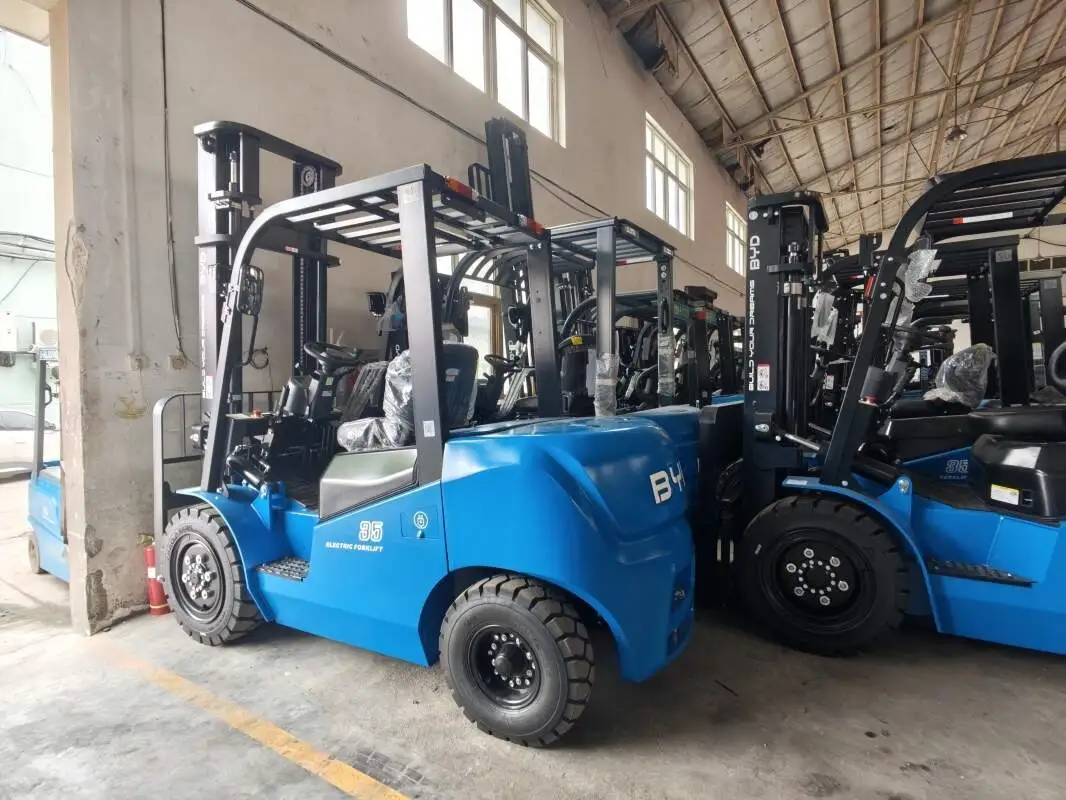
Modern warehouses increasingly handle a diverse array of special load requirements, from oversized industrial components to fragile electronic goods and irregularly shaped materials. Standard forklift configurations, while suitable for general tasks, often lack the specialized functionality needed to safely and efficiently manage these unique loads. This gap is effectively filled by custom forklift attachments, which are engineered to address specific material handling challenges.
One of the most common custom attachments for heavy-duty warehouse loads is reinforced fork extensions. These extensions add extra length and structural strength to standard forks, allowing forklifts to securely lift and transport bulky items such as large crates or machinery parts without risking load instability. For fragile goods like glass panels or delicate furniture, custom padded clamp attachments provide a gentle yet firm hold, minimizing the risk of scratches, cracks, or other damage during transit. Irregularly shaped loads, including pipes, coils, and odd-sized containers, benefit from custom hook attachments or specialized coil handlers that conform to the load’s unique contours, ensuring stable lifting and movement.
Investing in custom forklift attachments offers tangible benefits for warehouse operations. First, it boosts operational efficiency by reducing the need for manual labor or additional specialized equipment, cutting down on loading and unloading times. This leads to smoother workflow and higher throughput, especially during peak operational periods. Second, it enhances workplace safety by minimizing the risk of load shifts, falls, or product damage—hazards that can result in injuries, downtime, and costly losses. Third, custom attachments increase the versatility of existing forklift fleets, allowing warehouses to adapt to changing load requirements without the expense of purchasing new machinery.
When selecting custom forklift attachments, several key considerations come into play. Start by conducting a thorough assessment of your warehouse’s specific load characteristics, including weight, shape, fragility, and frequency of handling. This helps identify the exact type of attachment needed to address your unique challenges. Next, ensure the attachment is compatible with your existing forklift models, taking into account factors like load capacity, hydraulic system specifications, and overall forklift dimensions. Collaborating with an experienced provider who can design and manufacture attachments tailored to your exact requirements is also essential, as this ensures the attachments are durable, functional, and compliant with industry safety standards.
In today’s dynamic warehouse environment, adapting to special load requirements is critical for maintaining competitive efficiency. Custom forklift attachments provide a cost-effective, flexible solution that transforms standard forklifts into specialized tools capable of handling even the most challenging material handling tasks. By choosing the right custom attachments, warehouses can enhance safety, improve productivity, and ensure that every load is handled with precision and care.