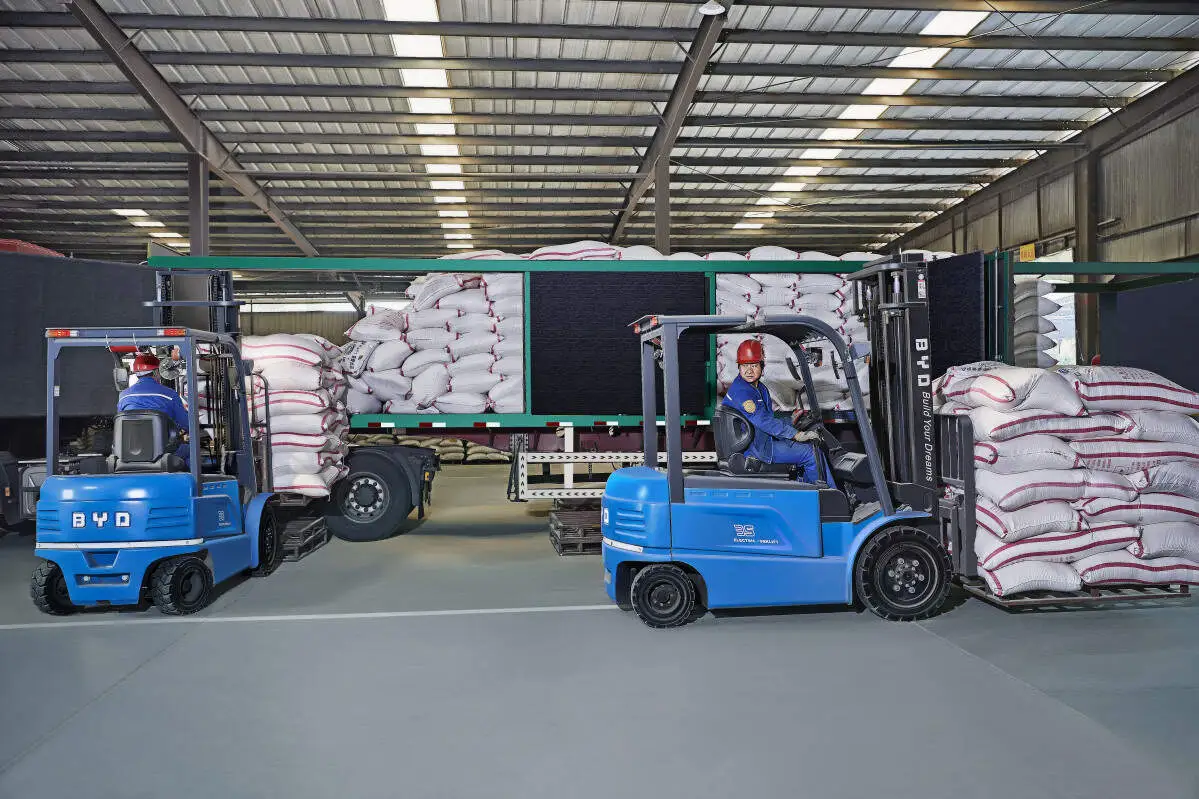
In modern warehouse and industrial settings, restricted-aisle workflows pose unique challenges for material handling teams. Tight storage spaces, narrow passageways, and limited maneuvering room can slow down operations, reduce efficiency, and increase the risk of equipment damage or workplace incidents. Choosing the right forklift attachments is critical to overcoming these hurdles, and 4-foot forklift forks have emerged as a practical solution for many such environments.
One of the primary advantages of 4-foot forklift forks is their compact design, which aligns perfectly with the constraints of restricted aisles. Unlike longer forks that require wider turning radii and more clearance, these shorter forks allow forklifts to navigate tight corners and narrow passageways with greater ease. This improved maneuverability translates to faster cycle times, as operators can move pallets and materials without constantly adjusting their path or worrying about colliding with racking structures or walls.
Beyond maneuverability, 4-foot forks offer balanced load handling capabilities suitable for a range of common materials. While they may not be ideal for extremely long or oversized loads, they excel at transporting standard-sized pallets, crates, and boxes that are prevalent in compact warehouses, retail backrooms, and small manufacturing facilities. Their shorter length also reduces the risk of load instability when navigating tight spaces, as the center of gravity remains closer to the forklift’s body, enhancing overall safety during operations.
Several specific scenarios highlight the suitability of 4-foot forklift forks for restricted-aisle workflows. For instance, in small-scale warehouses where space is at a premium, these forks enable operators to access storage racks located in narrow aisles without sacrificing productivity. In retail environments, where backroom storage areas are often cramped and filled with diverse inventory, 4-foot forks provide the flexibility needed to move goods efficiently between storage and sales floors. Additionally, in manufacturing plants with tight production lines and limited material movement corridors, these forks help streamline the transportation of components and finished products without disrupting workflow.
To maximize the benefits of 4-foot forklift forks in restricted-aisle settings, it’s important to follow key best practices. First, ensure that the forks are properly matched to the forklift’s load capacity to avoid overloading, which can compromise safety and equipment performance. Second, measure aisle widths and turning radii before implementing these forks to confirm they fit the specific environment. Regular inspection of the forks for wear, damage, or bending is also essential to maintain operational safety and efficiency over time.
In conclusion, 4-foot forklift forks are a valuable tool for optimizing material handling in restricted-aisle workflows. Their compact size, enhanced maneuverability, and balanced load handling make them well-suited for a variety of tight-space environments, helping teams improve efficiency, reduce risks, and maintain smooth operations. By selecting the right fork length and adhering to best practices, businesses can address the unique challenges of restricted aisles and unlock greater productivity in their material handling processes.