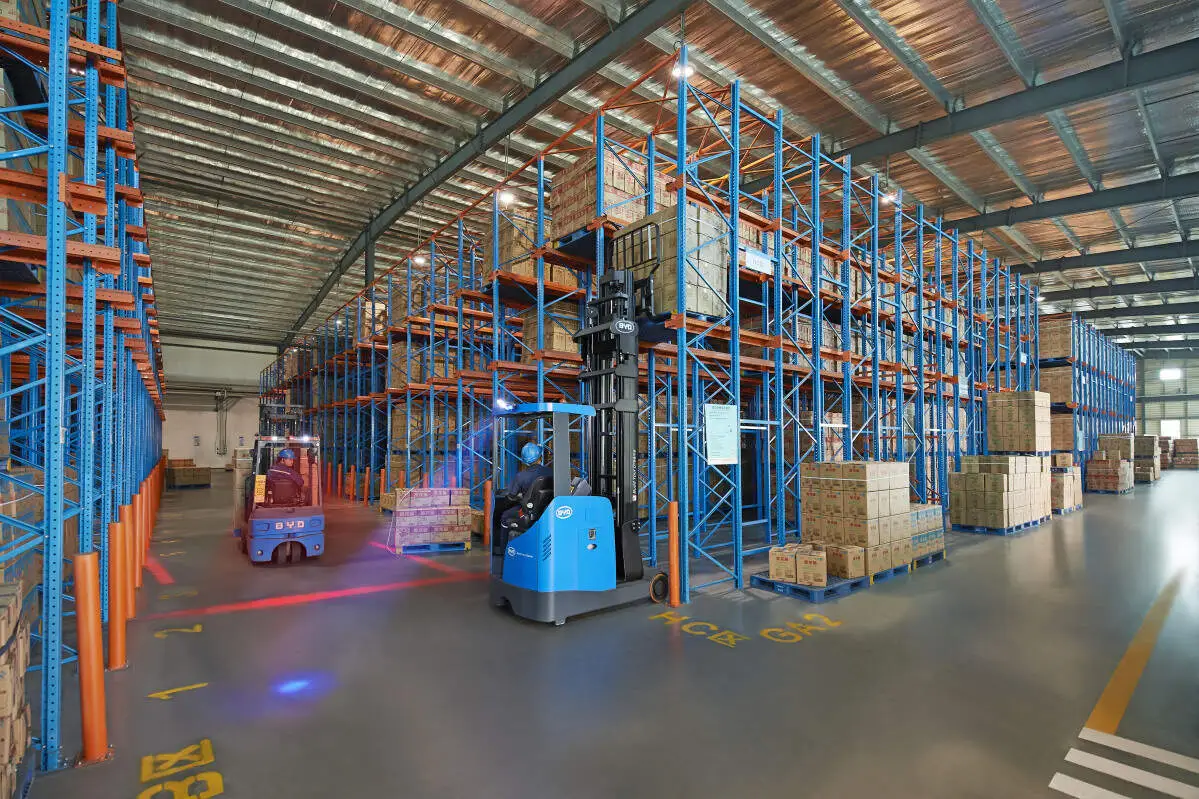
If you operate or maintain electric forklifts, having a go-to resource for common operational issues is essential to keep workflows smooth and safe. This forklift Questions And Answers PDF compiles actionable troubleshooting steps for the most frequent problems operators encounter.
Q: Why does my electric forklift lose battery power suddenly during operation?
Sudden power loss often ties to electrical connection issues or battery wear. Start by inspecting battery terminals—loose or corroded terminals disrupt power transfer. Clean corrosion with a baking soda solution and tighten terminals securely. If the issue persists, a degraded battery cell could be the cause; repeated charging cycles wear cells over time, leading to uneven power distribution. A professional load test can identify faulty cells. Also, avoid prolonged use in extreme temperatures, as hot or cold environments strain battery performance.
Q: What should I do if the lifting system fails to raise or lower loads correctly?
Hydraulic system issues are the primary culprit here. First, check the hydraulic fluid level—low fluid reduces pressure needed for lifting. Add the recommended fluid type, ensuring no contaminants enter the reservoir. Next, inspect hoses and seals for leaks; even small leaks can drain pressure over time. Replace damaged components promptly. If fluid levels and hoses are intact, listen for unusual noises when operating the lift. Grinding or whining sounds may indicate a worn lift pump, which requires inspection by a trained technician.
Q: Why is my electric forklift hard to steer?
Steering difficulties often stem from tire pressure or steering component wear. Begin by verifying tire pressure on all wheels; underinflated tires cause sluggish, uneven steering. Adjust to the manufacturer’s specified levels. If tires are properly inflated, inspect the steering linkage for loose tie rods or ball joints, which create excess play and reduce control. Lubricate linkage components regularly to prevent wear, and replace severely worn parts to restore smooth steering. For persistent heavy steering, a faulty power steering pump may need professional assessment.
Q: How do I fix unresponsive forklift brakes?
Unresponsive brakes are a critical safety hazard and require immediate attention. Start by checking the brake fluid level; low fluid reduces stopping power. Add the appropriate fluid if levels are below the recommended mark. Next, inspect brake pad thickness—worn pads fail to make proper contact with rotors. Replace pads if they’re thinner than the manufacturer’s minimum specification. Trapped air in brake lines can also cause spongy brakes; bleed the system to remove air bubbles. If these steps don’t resolve the issue, the brake master cylinder or calipers may be faulty and need professional repair.
This PDF guide equips operators and maintenance teams with practical solutions to address common issues quickly. By following these troubleshooting steps, you can minimize downtime, improve workplace safety, and extend the lifespan of your electric forklift. For complex issues always consult a certified technician to ensure proper repairs.