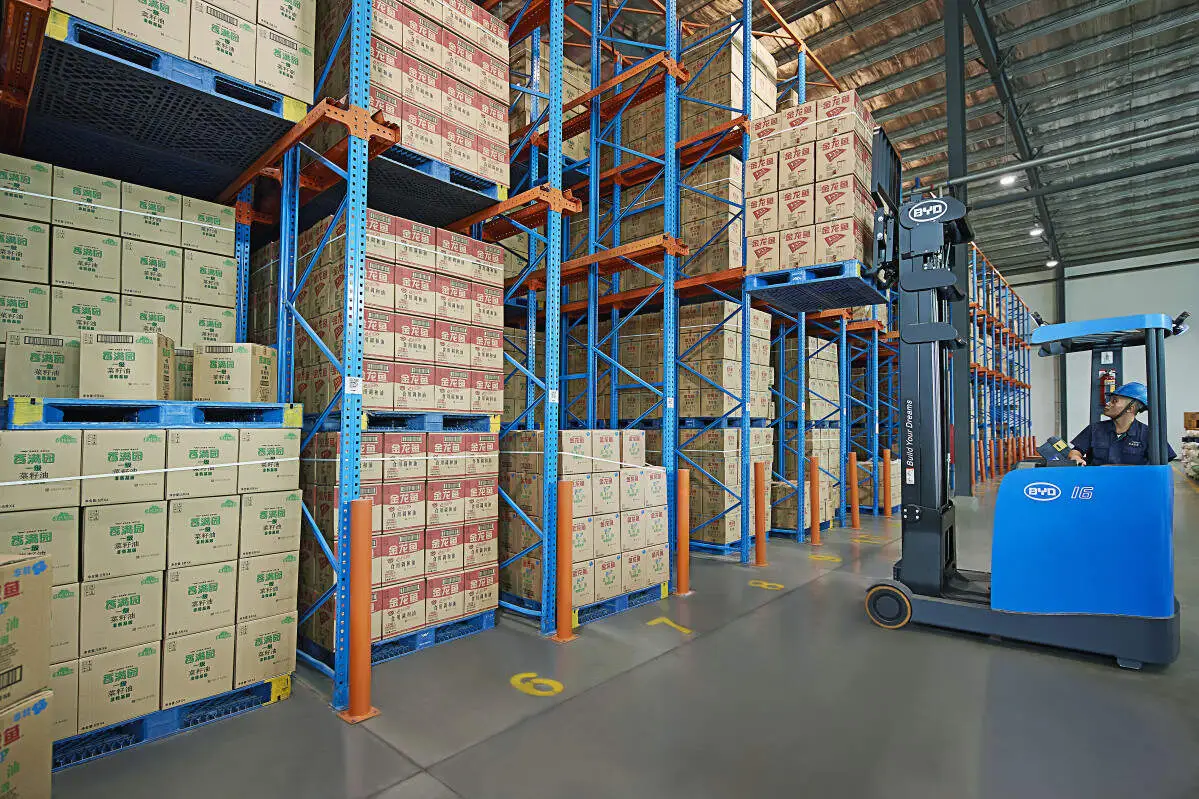
Forklifts are indispensable tools in warehouses, distribution centers, and manufacturing facilities, streamlining material handling operations. However, their widespread use comes with inherent safety risks, as annual statistical data reveals a consistent rate of forklift-related incidents across industries.
Industry-wide statistical references indicate that each year, thousands of workplace injuries stem from forklift operations, ranging from minor cuts and bruises to severe fractures and fatalities. Common incident types include tip-overs, collisions with pedestrians or stationary objects, falls from lifted platforms, and entrapment between forklifts and structures. These incidents often result from a combination of human error, environmental hazards, and inadequate equipment maintenance.
Key risk factors contributing to annual forklift accidents include untrained or inexperienced operators, who may lack knowledge of load capacity limits or safe maneuvering techniques. Fatigue and distracted driving also play a significant role, as operators working long shifts may lose focus. Environmental factors such as narrow aisles, cluttered workspaces, wet or uneven floors further increase accident likelihood. Additionally, failing to conduct regular equipment inspections can lead to mechanical failures, such as faulty brakes or steering systems, which trigger incidents.
Effective mitigation approaches focus on addressing these root causes through structured strategies. First, comprehensive operator training programs are essential, covering safe operation practices, load handling, and emergency response protocols. Regular refresher courses ensure operators stay updated on safety standards. Second, workplace environment optimization involves widening narrow aisles, marking pedestrian walkways clearly, and maintaining dry, even flooring to reduce slip and collision risks. Third, implementing routine equipment maintenance schedules helps identify and fix mechanical issues before they lead to accidents. Finally, establishing clear safety policies, such as speed limits and mandatory seatbelt use, along with ongoing monitoring and enforcement, reinforces safe behavior.
By leveraging annual forklift accident statistical data to identify high-risk areas, businesses can implement targeted mitigation strategies that reduce incident rates, protect employee well-being, and improve overall operational safety.