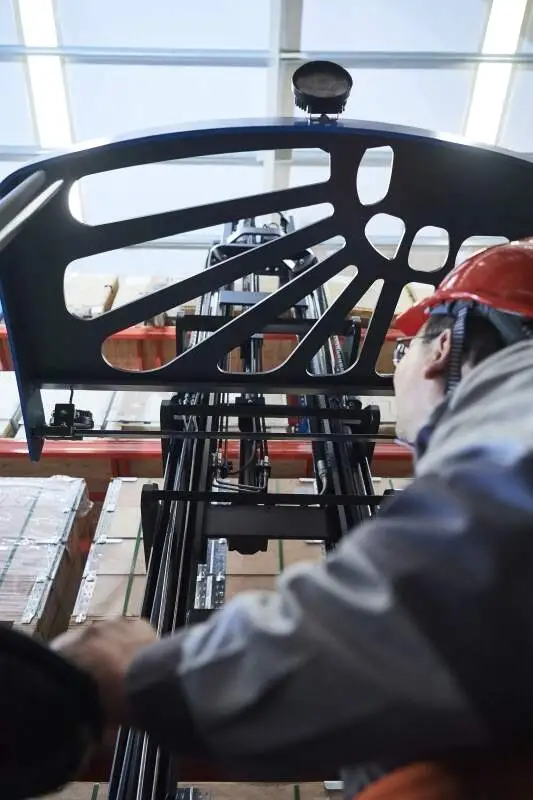
Workplace safety compliance relies heavily on proper forklift operation, and regular refresher training is a critical component to maintain standards and reduce risk. Forklifts are powerful industrial vehicles that pose significant hazards without up-to-date operator knowledge, making refresher training not just a best practice but often a legal requirement.
Regulatory bodies across most regions outline specific forklift refresher training requirements to uphold workplace safety. These typically mandate operators complete refresher training at set intervals, often every three years, though timelines may adjust based on industry risk levels. Beyond scheduled training, certain trigger events demand immediate refresher sessions, regardless of the regular schedule.
Operators must undergo refresher training immediately if involved in a forklift-related accident or near-miss, as these incidents signal potential gaps in knowledge or skill. Similarly, assignment to operate a new forklift model with distinct controls or capabilities requires updated training to ensure safe handling. Extended periods of inactivity—usually six months or more without operating a forklift—also necessitate refresher training to re-establish proficiency. Changes in workplace layout, such as new storage systems or narrow aisles, may also prompt updated training to adapt to new operating conditions.
Comprehensive forklift refresher training combines theoretical and practical elements. The theoretical portion covers updates to safety regulations, workplace-specific hazard identification, and proper load handling techniques. Operators also learn to conduct pre-operation maintenance checks to identify equipment issues before they lead to accidents. Practical training focuses on hands-on operation in real workplace scenarios: navigating tight spaces, loading uneven loads, practicing emergency stops, and maneuvering in high-traffic areas. This hands-on practice reinforces safe habits and ensures operators can apply knowledge in real-world settings.
To maintain compliance, employers must keep accurate records of all refresher training. These records should include training dates, covered topics, trainer credentials, and evidence of successful completion by each operator. Proper documentation creates a clear audit trail for regulatory inspections and incident investigations. Employers should also conduct regular internal audits to verify all operators meet training requirements and that programs align with the latest safety standards.
Investing in regular forklift refresher training is a key step in prioritizing workplace safety and compliance. By adhering to regulatory mandates, addressing trigger events promptly, and delivering comprehensive training, employers reduce forklift-related accident risks, protect their workforce, and avoid costly penalties. Refresher training is an ongoing commitment to fostering a culture of safety in every workplace that utilizes forklift equipment.