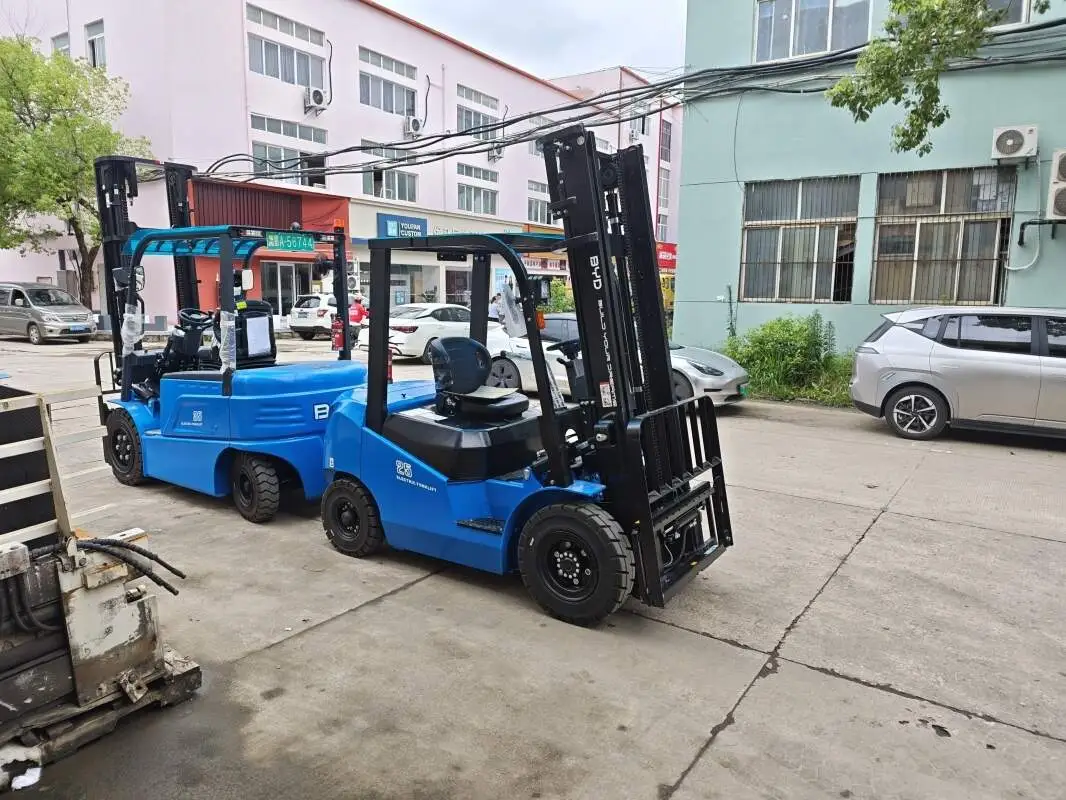
When browsing large forklifts for sale, whether new or used, taking a systematic approach to inspection is critical to securing a reliable, cost-effective piece of equipment that meets your operational needs. Rushing the process can lead to unexpected repair costs, downtime, or safety risks, so focusing on key areas ensures you make an informed decision.
First, prioritize the core power and mechanical components. For electric models, start with the battery: assess its age, total charge cycles, and current capacity. A battery nearing the end of its lifespan can require a costly replacement shortly after purchase. Listen for unusual noises from the electric motor during test runs, as grinding or clicking may indicate internal wear. Check the hydraulic system for leaks—even small drips can signal seal failures that will worsen over time, affecting lift performance.
Next, verify critical performance specifications against your operational requirements. Confirm the forklift’s rated load capacity matches the heaviest items you’ll handle, as exceeding this limit poses safety hazards and strains components. Check the maximum lift height to ensure it can reach storage racks or loading docks in your facility. Evaluate the turning radius too; a large forklift with a wide turning radius may struggle to maneuver in narrow warehouse aisles, reducing operational efficiency.
Safety features are non-negotiable, so inspect each one thoroughly. Look for functional anti-tip stability systems, which are essential when lifting heavy loads to high heights. Test the emergency brake to ensure it engages quickly and securely. Check that all warning lights, horns, and rearview mirrors are in good working order, as these help prevent accidents in busy work environments. If the forklift operates outdoors, confirm it has adequate weather-resistant components to withstand rain, dust, or extreme temperatures.
Don’t overlook maintenance and usage records. Request detailed logs that outline regular servicing, repairs, and any major overhauls. A well-maintained forklift is more likely to have a longer lifespan and fewer unexpected issues. Note the total operating hours, as higher hours don’t always mean poor condition—consistent maintenance can offset wear and tear. Also, ask about the previous operating environment; forklifts used in rough outdoor settings may have more structural wear than those used in indoor warehouses.
Finally, conduct a visual inspection of the forklift’s structure and exterior. Check the frame for signs of bending, cracking, or rust, which can compromise structural integrity. Inspect the tires for uneven wear or damage, as worn tires affect stability and traction. Test the lift mechanism by raising and lowering it several times to ensure smooth operation without jerks or delays.
By taking the time to inspect these key areas, you can narrow down your options to forklifts that align with your needs, minimize long-term costs, and keep your workforce safe.