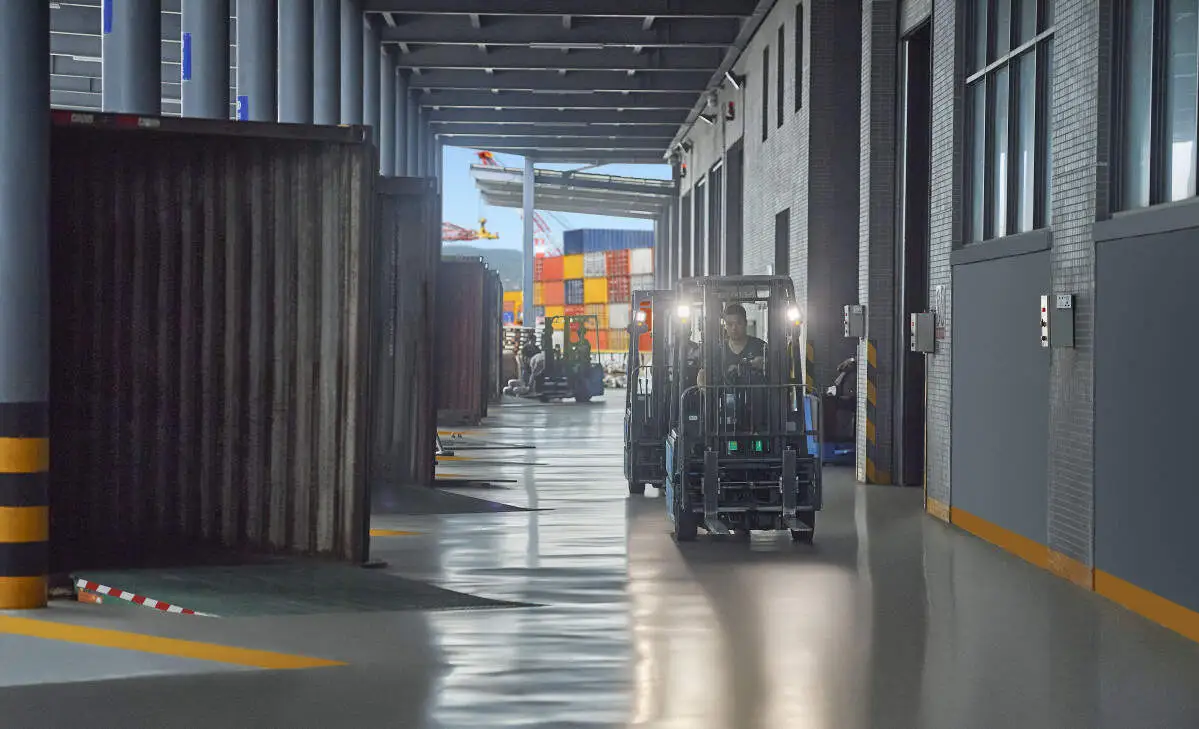
Many businesses face temporary material handling needs for short-term projects, such as warehouse relocations, seasonal inventory surges, or event setup. Purchasing a forklift outright can be financially burdensome, tying up capital that could be allocated to core operations. This is where forklift rental options step in as a cost-efficient solution, offering flexibility and access to suitable equipment without long-term commitments.
Forklift rental providers typically offer a range of plans to match different project durations. Daily rentals are ideal for one-off tasks like a single day of heavy lifting for a small warehouse move or a pop-up event setup. Weekly rentals cater to projects spanning several days, such as a week-long inventory reorganization or a construction site’s initial material unloading phase. Monthly rentals suit longer short-term initiatives, like a month-long peak season where additional material handling capacity is needed to keep operations smooth. Each plan is structured to align with the project’s timeline, ensuring businesses only pay for the time they actually use the equipment.
Beyond flexible pricing, renting forklifts eliminates the costs associated with maintenance, storage, and depreciation. For short-term projects, these overheads can be significant if owning equipment, as businesses would have to invest in regular servicing and secure storage space even when the forklift is not in use. Rental providers take care of all maintenance and repairs, ensuring the equipment is in optimal working condition when delivered. Additionally, businesses can choose from a variety of forklift types based on their specific needs—whether it’s a compact electric forklift for indoor warehouse use, a rugged rough-terrain forklift for outdoor construction sites, or a high-capacity model for heavy load lifting. This customization ensures that the equipment perfectly fits the project’s requirements, enhancing efficiency and safety.
When selecting a forklift rental option, businesses should start by assessing their project’s key parameters. First, determine the duration of the project to pick the most cost-effective rental plan. Next, evaluate the load capacity needed, considering the heaviest items that will be moved, as well as the operating environment—indoor spaces may require electric models to comply with emission regulations, while outdoor sites might need fuel-powered or rough-terrain variants. It’s also important to consider additional features, such as side shifts or extended forks, which can improve operational efficiency for specific tasks. Consulting with a rental provider can help businesses make an informed decision, as experts can offer guidance based on the project’s unique demands.
In conclusion, forklift rental options provide a practical, cost-efficient solution for businesses with short-term material handling needs. By choosing the right rental plan and equipment type, businesses can access reliable material handling tools without the financial strain of ownership, allowing them to focus resources on completing their projects successfully. Whether it’s a one-day task or a month-long initiative, flexible rental plans ensure that businesses have the right equipment at the right time, optimizing both productivity and cost-effectiveness.