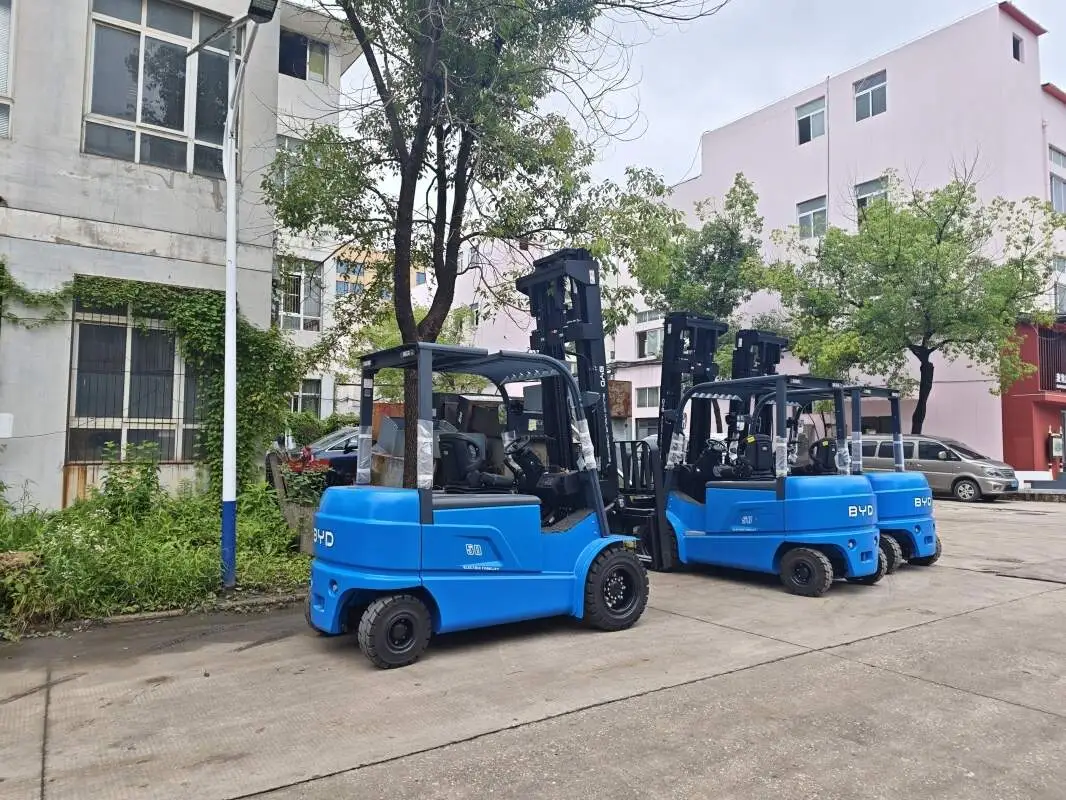
For electric forklift fleets, choosing the right replacement battery is not just a routine maintenance task—it’s a strategic decision that directly impacts operational efficiency, equipment longevity, and overall fleet productivity. As batteries degrade over time due to frequent charging cycles, heavy loads, and environmental factors, selecting a suitable replacement requires careful consideration of multiple core factors.
Capacity and Power Matching
The first and most fundamental factor is ensuring the replacement battery’s capacity and power output align with your fleet’s specific operational needs. Forklifts used for heavy-duty tasks, such as moving large loads in warehouses or distribution centers, require higher capacity batteries to sustain longer runtime between charges. Conversely, forklifts used for light, short-distance operations may perform optimally with smaller, more cost-effective batteries. It’s crucial to analyze average daily usage patterns, including load weights, operating hours, and travel distances, to avoid overpaying for excessive capacity or facing unexpected downtime due to insufficient power.
Charging Efficiency and Compatibility
Charging efficiency is another key consideration, as it directly affects fleet uptime. When selecting a replacement battery, evaluate its charging speed and compatibility with your existing charging infrastructure. Some batteries support fast charging, which can reduce downtime during peak operational hours, but it’s important to ensure your charging stations can accommodate this capability without causing damage to the battery or the equipment. Additionally, consider whether the battery requires specialized charging equipment, as this could add to the overall replacement cost and complicate fleet management.
Durability and Cycle Life
Battery durability and cycle life are critical for minimizing long-term replacement costs. A battery’s cycle life refers to the number of complete charge-discharge cycles it can undergo before its capacity drops to a specified percentage of its original value. forklift fleets that operate multiple shifts or undergo frequent charging cycles should prioritize batteries with a higher cycle life to reduce the frequency of replacements. Additionally, look for batteries designed to withstand harsh operating conditions, such as extreme temperatures or exposure to dust and moisture, as these factors can accelerate battery degradation.
Safety and Compliance
Safety should never be overlooked when selecting a replacement battery for electric forklifts. Ensure the battery meets relevant industry safety standards to reduce the risk of leaks, overheating, or electrical hazards. Features like built-in overcharge protection, short-circuit prevention, and robust casing can enhance operational safety for both forklift operators and maintenance staff. Additionally, verify that the battery complies with local environmental regulations, as improper disposal of batteries can lead to legal penalties and environmental harm.
Total Cost of Ownership
While upfront purchase cost is a consideration, it’s important to evaluate the total cost of ownership (TCO) when selecting a replacement battery. TCO includes not only the initial cost but also ongoing expenses such as maintenance, charging costs, and replacement frequency. A battery with a higher upfront cost may offer better durability and longer cycle life, resulting in lower long-term expenses. Conduct a cost-benefit analysis to compare different battery options and choose the one that provides the best value for your fleet’s needs.
By carefully evaluating these key selection points, fleet managers can make informed decisions that optimize electric forklift performance, reduce operational downtime, and maximize return on investment. Taking the time to select the right replacement battery ensures that your electric fleet remains reliable, efficient, and ready to meet daily operational demands.