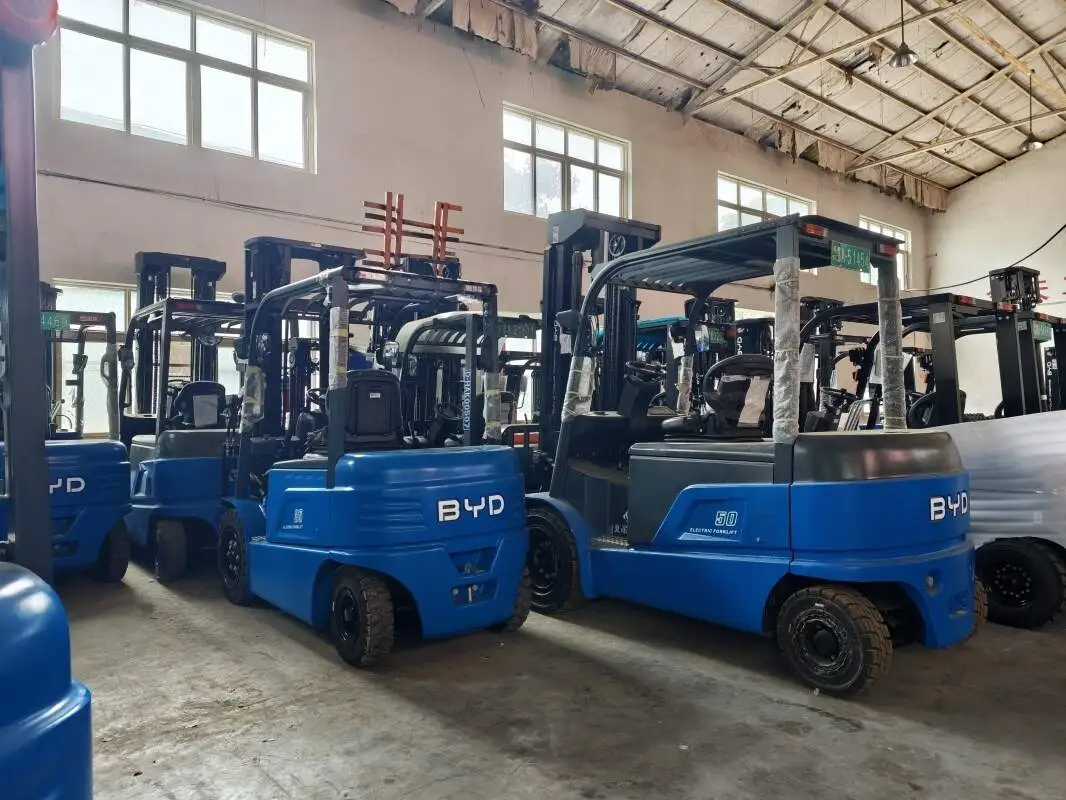
electric forklifts are critical workhorses in warehouses, distribution centers, and manufacturing plants, but unexpected faults can halt operations and lead to costly downtime. A reliable fault code quick look-up system is essential for on-site technicians to identify issues promptly and implement targeted solutions.
Understanding common forklift fault code categories is the first step to effective diagnosis. Fault codes typically correspond to three core systems: power, hydraulic, and electrical. Power system codes may indicate issues like low battery voltage, motor overload, or charging system malfunctions—signs that the forklift’s energy source is not operating optimally. Hydraulic system codes often point to problems such as insufficient fluid levels, lift cylinder pressure irregularities, or hydraulic pump failures, which directly impact the forklift’s lifting and loading capabilities. Electrical system codes can signal sensor connectivity errors, control module communication gaps, or wiring faults, which may cause erratic performance or unresponsive controls.
When conducting on-site fault diagnosis, following a structured quick look-up process ensures efficiency and safety. Start by recording the exact fault code displayed on the forklift’s control panel, along with any accompanying warning lights or operational anomalies, such as unusual noises or reduced power. Next, cross-reference the code with a standardized fault code list to access detailed information about the affected system and potential root causes. This step helps narrow down the troubleshooting scope, avoiding unnecessary checks.
After identifying the issue’s source, perform initial on-site inspections based on the code’s guidance. For example, if a power system code indicates low battery voltage, check the battery terminals for corrosion or loose connections, and verify the charging unit’s functionality. For hydraulic system codes, inspect fluid levels and check for leaks in hoses or cylinders. Always prioritize safety: ensure the forklift is parked on a flat, stable surface, turned off, and disconnected from power sources before conducting hands-on checks to prevent accidental movement or electrical hazards.
To maximize the value of a fault code quick look-up, keep the code list updated regularly, as forklift software updates may introduce new codes or modify existing ones. Document every diagnosis, including the code, troubleshooting steps taken, and resolution, to build a reference library for recurring issues. Recognize your expertise limits—complex codes related to advanced control systems or mechanical failures may require specialized training, so consult a qualified professional when needed.
A well-implemented fault code quick look-up system empowers on-site teams to address issues swiftly, minimize downtime, and maintain the reliable performance of electric forklifts. By combining systematic procedures with safety awareness, technicians can ensure smooth operations and extend the lifespan of these essential industrial assets.