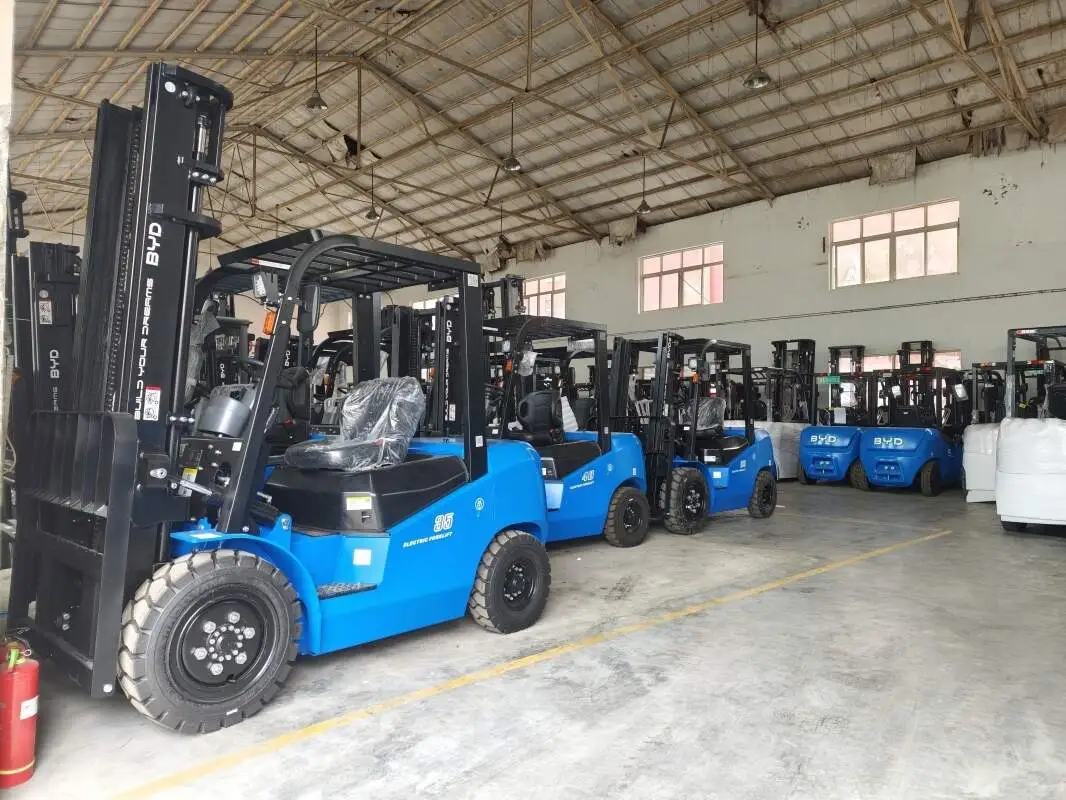
For yard material handling operations, adding a tow truck attachment to a forklift can significantly enhance efficiency by enabling the movement of multiple trailers or heavy loads in a single trip. However, proper installation is critical to ensure safe, stable, and reliable performance. This guide outlines a step-by-step process for installing a forklift tow truck attachment tailored for yard use, along with essential safety and maintenance considerations.
Before starting the installation, thorough preparation is essential to avoid delays and safety risks. First, verify compatibility between the forklift and the tow truck attachment. Check the forklift’s load capacity and mounting interface specifications to ensure they match the attachment’s requirements. Next, prepare a flat, level work area in the yard, free of debris, uneven surfaces, or overhead obstacles that could interfere with the installation process. Gather all necessary tools, including torque wrenches, socket sets, safety locks, and protective gloves or goggles. Ensure the forklift is parked on stable ground, turned off, and the parking brake is engaged to prevent accidental movement during installation.
1. Position the Attachment: Maneuver the tow truck attachment into alignment with the forklift’s front mounting points. Use a guide if needed to ensure precise alignment, keeping hands and feet clear of moving parts. 2. Secure Mounting Hardware: Insert the provided mounting bolts through the alignment holes, hand-tightening them first to hold the attachment in place. Use a torque wrench to tighten each bolt to the specified torque value—this prevents over-tightening or loose connections that could lead to attachment failure. 3. Connect Auxiliary Systems (if applicable): If the tow truck attachment relies on hydraulic or electrical power for functions like trailer hook operation, carefully connect the corresponding lines. Inspect hydraulic hoses for cracks or wear before connection, and ensure electrical wires are properly insulated and routed to avoid damage. Test the connections for leaks or electrical shorts before proceeding. 4. Verify Alignment and Functionality: Once all hardware and connections are in place, visually inspect the attachment to ensure it is centered on the forklift and that all moving parts operate smoothly without binding.
After installation, conduct a series of safety checks to confirm the attachment is ready for use. Start with an idle test: turn on the forklift and operate the attachment’s functions to ensure responsive performance. Next, perform a light load test by attaching an empty trailer and moving it around the yard to check for stability, proper alignment, and no unusual noises. Finally, conduct a full load test using a trailer loaded to the attachment’s rated capacity, ensuring the forklift and attachment handle the load safely without sway or component failure. Document all test results for future reference.
To prolong the life of the tow truck attachment and maintain safe operation, incorporate regular maintenance into your yard’s forklift care routine. Inspect mounting bolts weekly to ensure they remain at the correct torque. Check hydraulic lines and electrical connections for wear, leaks, or damage monthly. Lubricate moving parts as recommended to prevent friction and corrosion. If any issues are detected during inspections or operation, discontinue use of the attachment until repairs are completed by a qualified technician.
By following this structured installation guidance, yard operators can ensure their forklift tow truck attachments are installed correctly, safely, and ready to support efficient material handling operations. Prioritizing proper installation and ongoing maintenance not only reduces the risk of accidents but also maximizes the lifespan and performance of the attachment, contributing to overall operational productivity.