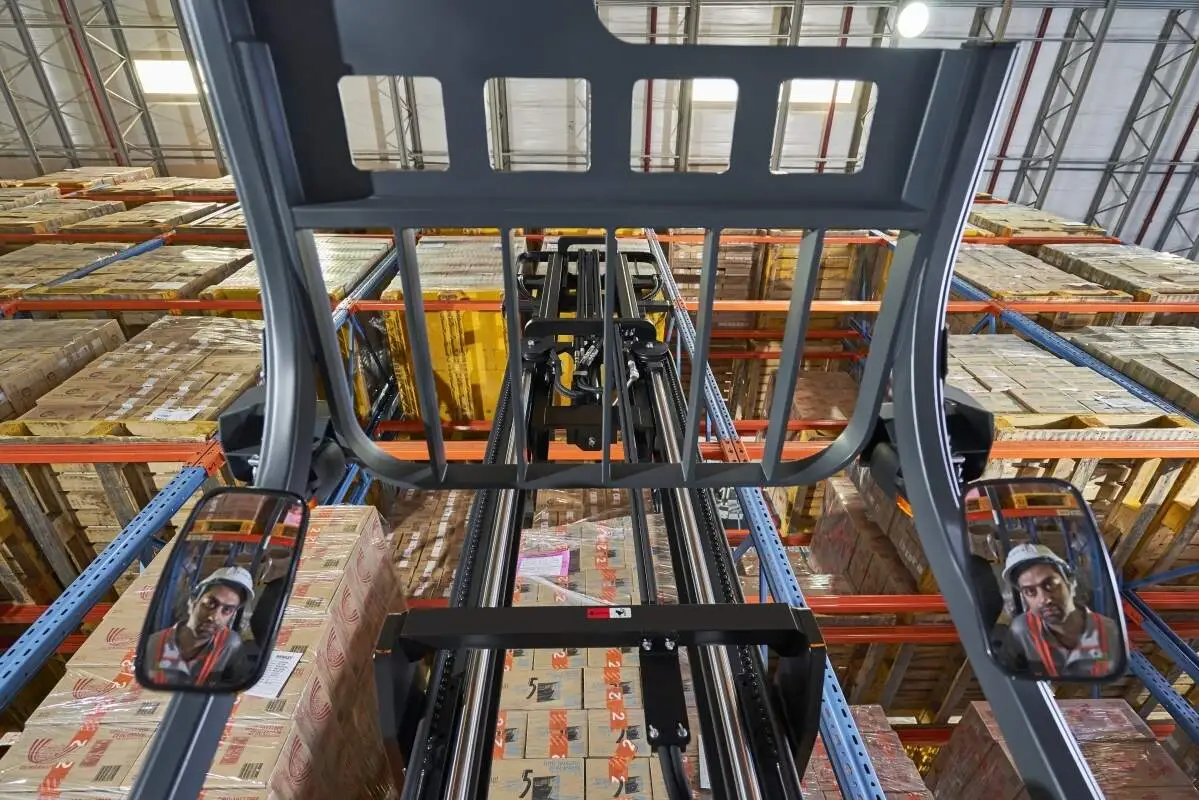
In today’s fast-paced industrial and warehouse environments, forklifts are indispensable tools, but their improper use can lead to serious safety incidents. That’s why a comprehensive forklift Safety Checklist Book has become a critical resource for daily site operations, providing structured, practical documentation to mitigate risks and ensure compliance with workplace safety standards.
The core of this handbook lies in its detailed pre-operation checklists. Before any forklift is put into service, operators are guided through a step-by-step evaluation of key components. This includes inspecting the battery or fuel system for leaks or damage, checking tire pressure and condition to ensure stability, verifying that all controls—such as brakes, steering, and lift mechanisms—function correctly, and confirming that safety features like horns, lights, and seatbelts are in proper working order. Documenting these checks not only ensures the forklift is safe to operate but also creates a paper trail for accountability, helping teams identify recurring issues before they escalate into hazards.
Beyond pre-use checks, the book also outlines essential in-operation safety protocols that operators must follow and document throughout their shifts. This includes maintaining safe speeds in all areas, adhering to load capacity limits to prevent tip-overs, and using proper lifting techniques to avoid damage to goods or injury to personnel. Operators are instructed to record any unusual sounds, vibrations, or performance issues encountered during use, allowing maintenance teams to address problems promptly. Additionally, the handbook emphasizes the importance of documenting interactions with pedestrians and other equipment, ensuring clear communication and reducing the risk of collisions in busy workspaces.
Post-shift documentation is another key component of the checklist book. After completing operations, operators are required to perform a final inspection to ensure the forklift is parked securely in designated areas, with controls neutralized and brakes engaged. They must also document any maintenance needs identified during the shift, as well as refuel or recharge the forklift as needed. This post-shift routine helps keep equipment in optimal condition, extends its lifespan, and ensures that the next shift starts with a safe, functional forklift.
To maximize the effectiveness of the Forklift Safety Checklist Book, it’s essential to integrate it into regular training programs. Supervisors should use the handbook to train new operators on proper inspection and documentation procedures, and to refresh the knowledge of experienced staff on a periodic basis. The book also serves as a reference tool for audits, allowing safety teams to verify that all checks are being completed consistently and that compliance standards are being met. By making the checklist book a central part of daily operations, organizations can foster a culture of safety, reducing the likelihood of accidents and protecting both employees and assets.
In conclusion, the Forklift Safety Checklist Book is more than just a documentation tool—it’s a proactive approach to workplace safety. By providing clear, practical guidelines for daily site operations, it helps teams identify and address risks before they lead to incidents, ensuring a safer, more efficient work environment.