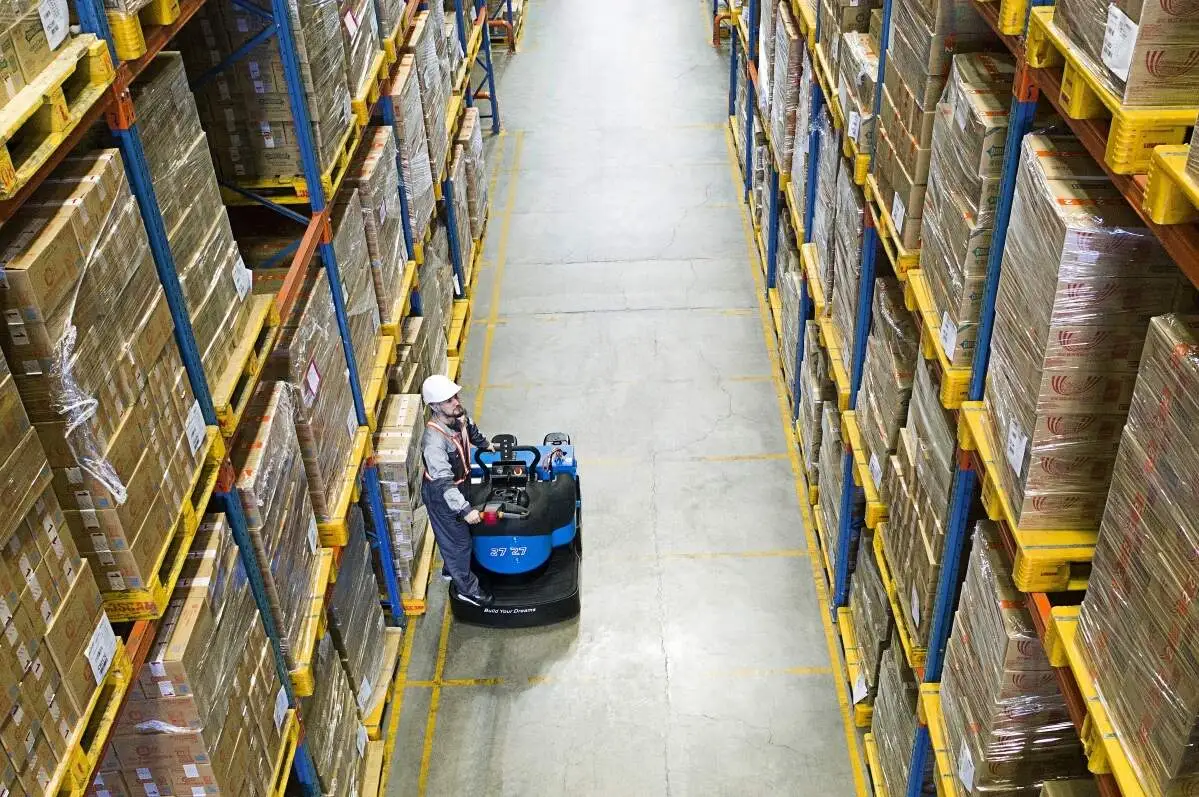
electric forklifts are indispensable tools in warehouses, distribution centers, and manufacturing facilities, streamlining material handling tasks with efficiency and precision. Understanding their core components is crucial for operators, maintenance teams, and facility managers to ensure safe operation, timely repairs, and optimal performance.
The power system forms the backbone of any electric forklift. At its center is the rechargeable battery, a large enclosed unit typically positioned at the rear, whose size and capacity directly dictate the vehicle’s runtime. Connected to the battery is the electric motor, housed within the chassis near the wheels, converting electrical energy into mechanical power to drive the forklift and operate lift mechanisms.
Next, the lift system enables heavy load handling. The hydraulic cylinder, a cylindrical component mounted alongside the mast, uses pressurized fluid to generate force for lifting. Heavy-duty chains, durable thick links running along mast tracks, transfer this force to the carriage and forks. The forks themselves are long metal prongs at the front, designed to slide under pallets and bear load weight.
The control system ensures precise maneuverability. The steering wheel on the operator’s console connects to a mechanism adjusting front wheel direction for navigating tight spaces. The control lever, within easy operator reach, manages lift, tilt, and fork positioning with distinct function positions. The electronic controller, a compact enclosed unit near the battery or operator compartment, acts as the forklift’s brain, regulating power flow and coordinating all system operations.
The braking system is critical for safety. Disc or drum brakes installed on wheels enable quick, secure stops, activated by brake pedals in the operator area. Most electric forklifts also feature an emergency brake that engages automatically if the operator leaves the seat or a system fault is detected.
Finally, the chassis and tire system provide stability and mobility. The rigid chassis supports all components, forming the forklift’s structural base. Tires vary by environment: solid rubber tires suit indoor use, while pneumatic tires are ideal for outdoor terrain, mounted on axles that connect wheels to the chassis and distribute load evenly.
By familiarizing yourself with these core components, you can better identify potential issues, perform routine maintenance, and operate electric forklifts with confidence. This overview serves as a foundational reference for anyone working with these essential material handling tools.