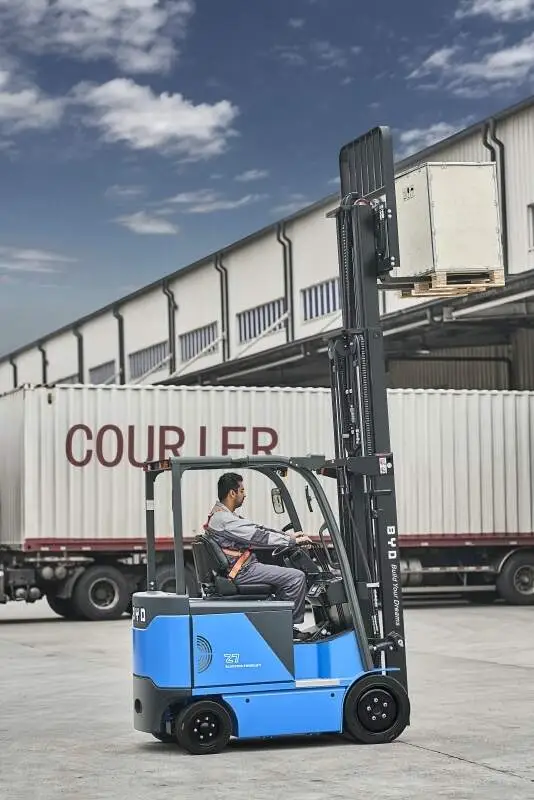
forklift operators serve as the backbone of smooth daily operations in warehouses, distribution centers, and industrial sites. Their responsibilities directly influence efficiency, safety, and the consistent flow of materials across the facility, making their role indispensable to overall productivity.
A primary duty is conducting thorough pre-operational inspections before each shift. Operators must examine key forklift components, including brakes, tires, steering mechanisms, lights, hydraulic systems, and fluid levels like oil and coolant. Identifying minor issues early prevents unexpected breakdowns that can halt material movement for hours, disrupting schedules and delaying order fulfillment. Any abnormalities found must be documented and reported to maintenance teams promptly to ensure repairs are completed before the equipment is put into use.
Safe and compliant operation is a non-negotiable responsibility. Operators must adhere to all site-specific safety rules and industry standards, such as maintaining designated speed limits, avoiding sudden turns or stops, and ensuring loads are properly balanced, secured, and within the forklift’s weight capacity. Overloading or improper load handling can lead to accidents, damage to goods, and costly downtime that ripples through the entire site. Operators must also stay alert to their surroundings, watching for pedestrians, other vehicles, and low-hanging obstacles, while avoiding distractions like mobile phones to prevent collisions that disrupt operational flow.
Efficient material handling is critical to keeping site operations consistent. Operators are tasked with moving goods to designated storage or loading areas accurately and in a timely manner, minimizing delays in production or order processing. This includes carefully positioning loads to optimize storage space, following inventory labels to ensure accurate placement, and coordinating with pickers, packers, and shipping teams to deliver materials exactly when needed. By streamlining these processes, operators reduce bottlenecks and support a seamless workflow across all departments.
Routine maintenance and documentation also contribute to consistent operational flow. Beyond pre-shift checks, operators should perform basic upkeep tasks like cleaning the forklift, removing debris from wheels or forks, and recharging batteries or refueling as required. Keeping detailed records of daily inspections, usage hours, and any incidents helps track the forklift’s performance, ensures compliance with regulatory requirements, and aids maintenance teams in planning proactive servicing. This proactive approach reduces the risk of unplanned outages that can disrupt site operations.
Finally, collaboration and continuous learning are key duties. Operators must communicate effectively with other team members to relay updates on load status, potential hazards, or equipment issues. Staying up-to-date with ongoing training on new safety procedures, equipment upgrades, or operational changes ensures they can adapt to evolving site needs, maintaining efficiency and safety. By taking ownership of their responsibilities, forklift operators play a vital role in sustaining a safe, efficient, and consistent site operational flow.