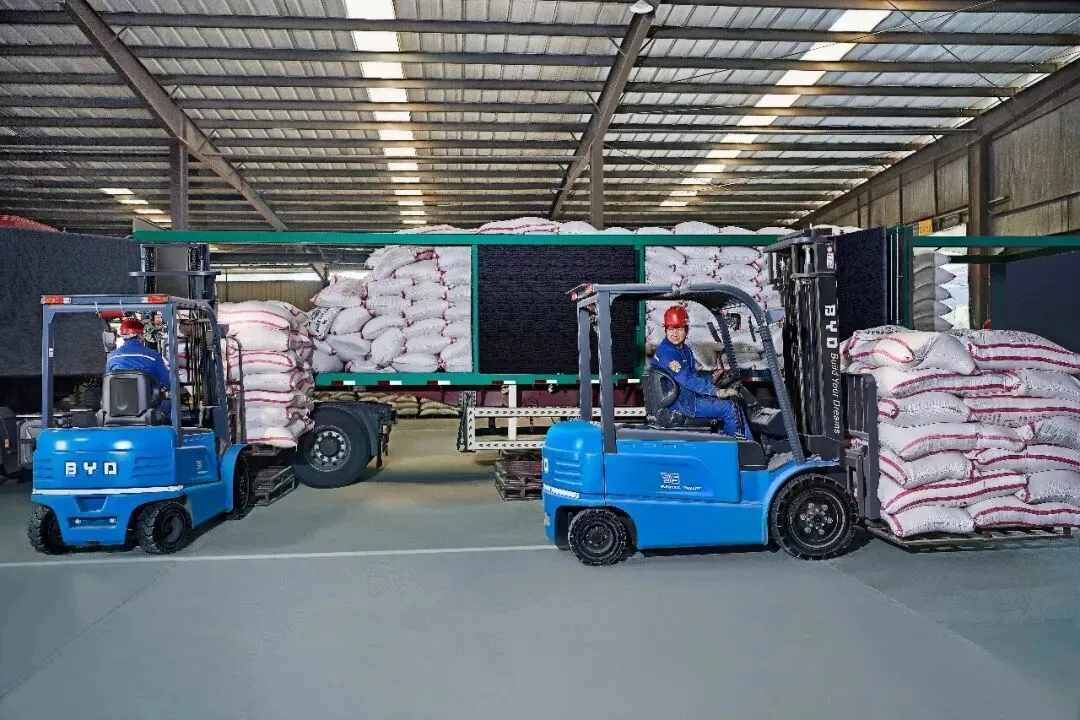
For businesses aiming to optimize material handling operations without overstretching budgets, locally-sourced used forklifts present a cost-effective, reliable solution. Unlike imported second-hand equipment, local options eliminate hefty transportation fees, enable in-person inspections on short notice, and simplify access to post-purchase support. This guide breaks down the key steps to source a high-quality pre-owned forklift in your local area.
Start by assessing your specific operational needs to avoid investing in unnecessary features. Consider load capacity requirements, typical lift heights, and the operating environment—indoor warehouses may benefit from electric forklifts for zero emissions, while outdoor heavy-duty tasks might call for diesel models. Matching the forklift’s specifications to your daily workflows ensures it can handle your workload efficiently without excess costs.
Next, identify trusted local sourcing channels. Local used equipment suppliers often maintain inspected fleets with detailed service histories, making them a reliable starting point. You can also explore local industrial classifieds, community business forums, and regional equipment auctions. Networking with peers in your industry may reveal private sellers looking to upgrade their forklifts, offering potential cost savings. Local sources let you inspect equipment quickly, reducing wait times associated with long-distance purchases.
A thorough inspection is critical to uncovering hidden issues. Begin with a visual check: examine tires for excessive wear, mast components for cracks, and the frame for rust or structural damage. Test core functions by operating the forklift—lift a standard load, maneuver through tight spaces, and verify brake responsiveness. For electric models, inspect battery health and charging systems; for internal combustion types, check fluid levels and engine performance. If you lack mechanical expertise, hire a certified technician to conduct a professional inspection to avoid costly post-purchase repairs.
Always request detailed maintenance and usage records from the seller. A well-documented service history indicates regular upkeep, which correlates with better long-term reliability. Ask about total operating hours—lower hours typically mean less wear, but ensure the hour count aligns with the forklift’s age. Inquire about past accidents or major repairs, as these can impact future performance and maintenance costs.
Finally, negotiate terms strategically. Use your inspection findings and local market price research as leverage to secure a fair deal. Local sellers may be more flexible on pricing to avoid shipping hassles. Don’t overlook post-purchase support: discuss short-term warranties or access to local repair services, which can provide peace of mind. Ensure all agreements are outlined in a written contract to protect both parties.
By following these steps, you can source a locally-sourced used forklift that meets your operational needs while staying within budget. The combination of cost savings, quick access, and local support makes this approach a practical choice for businesses looking to enhance their material handling capabilities without investing in brand-new equipment.