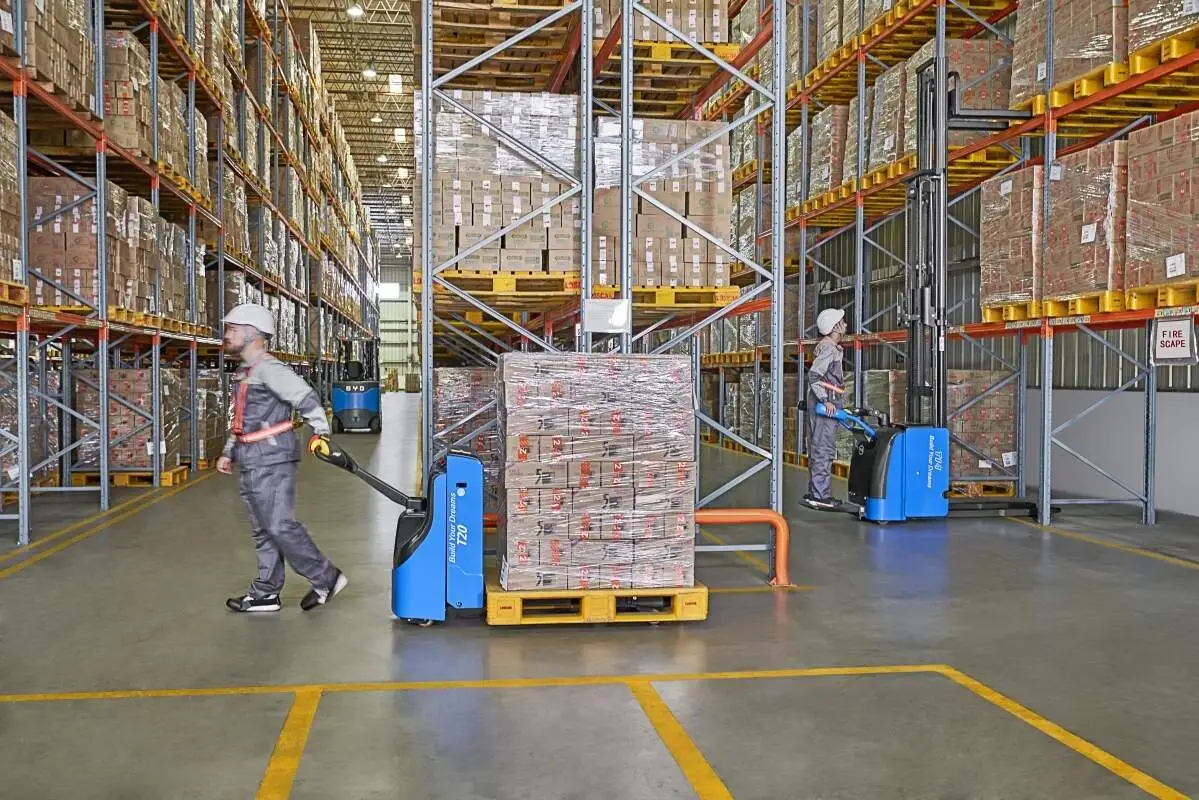
forklift tyres are critical components that directly impact the operational efficiency, safety and maintenance costs of material handling equipment. Understanding the factors that affect their prices and mastering key procurement considerations can help businesses optimize their equipment investment and ensure long-term operational stability.
One of the primary factors influencing forklift tyre prices is the type and material composition. Solid tyres, designed for heavy-duty indoor operations, are typically more expensive than pneumatic tyres due to their robust rubber compounds that resist punctures and wear. Meanwhile, cushion tyres, made from dense rubber for smooth indoor surfaces, fall in between in terms of pricing. The quality of raw materials, such as high-grade natural rubber versus synthetic alternatives, also plays a key role—premium materials enhance durability but increase production costs, which are reflected in the final price tag.
Size and load capacity are another set of factors tied to pricing. Larger tyres with higher load ratings require more raw materials and advanced manufacturing processes to ensure structural integrity under heavy weights. For instance, tyres designed for heavy-duty forklifts used in construction or port operations will command a higher price compared to those for light-duty warehouse forklifts, as they need to withstand greater stress and frequent use in harsh conditions.
Durability and wear resistance also affect pricing. Tyres engineered with enhanced wear-resistant features, such as reinforced treads or specialized rubber blends, often cost more upfront. However, they reduce long-term replacement and maintenance costs by lasting longer in environments with rough terrain or sharp debris. The level of durability is determined by rigorous testing standards and precise production techniques, which add to the overall manufacturing cost.
When it comes to procurement, aligning tyre choices with operational requirements is essential. For indoor warehouse use with smooth concrete floors, cushion or solid tyres may be the most cost-effective choice, offering stability and minimal noise. For outdoor operations on uneven ground, pneumatic tyres with strong traction are necessary to ensure safety and efficiency. Choosing the wrong type can lead to unnecessary costs from premature wear or operational disruptions.
Balancing upfront cost with long-term value is another critical consideration. While low-cost tyres may seem appealing initially, they often require frequent replacements and can lead to unexpected downtime, increasing overall operational expenses. Evaluating the total cost of ownership, including replacement frequency, maintenance costs and downtime, helps identify tyres that offer the best return on investment over time.
Additionally, evaluating supplier reliability is important. Reputable suppliers can provide consistent quality tyres and offer guidance on selection based on specific operational needs. Timely delivery and responsive after-sales support help minimize equipment downtime, which is vital for maintaining continuous material handling operations.
By comprehensively understanding these price-influencing factors and integrating key procurement considerations, businesses can make informed decisions that balance cost, performance and reliability. This not only optimizes equipment investment but also supports smooth, efficient operations across various industries.