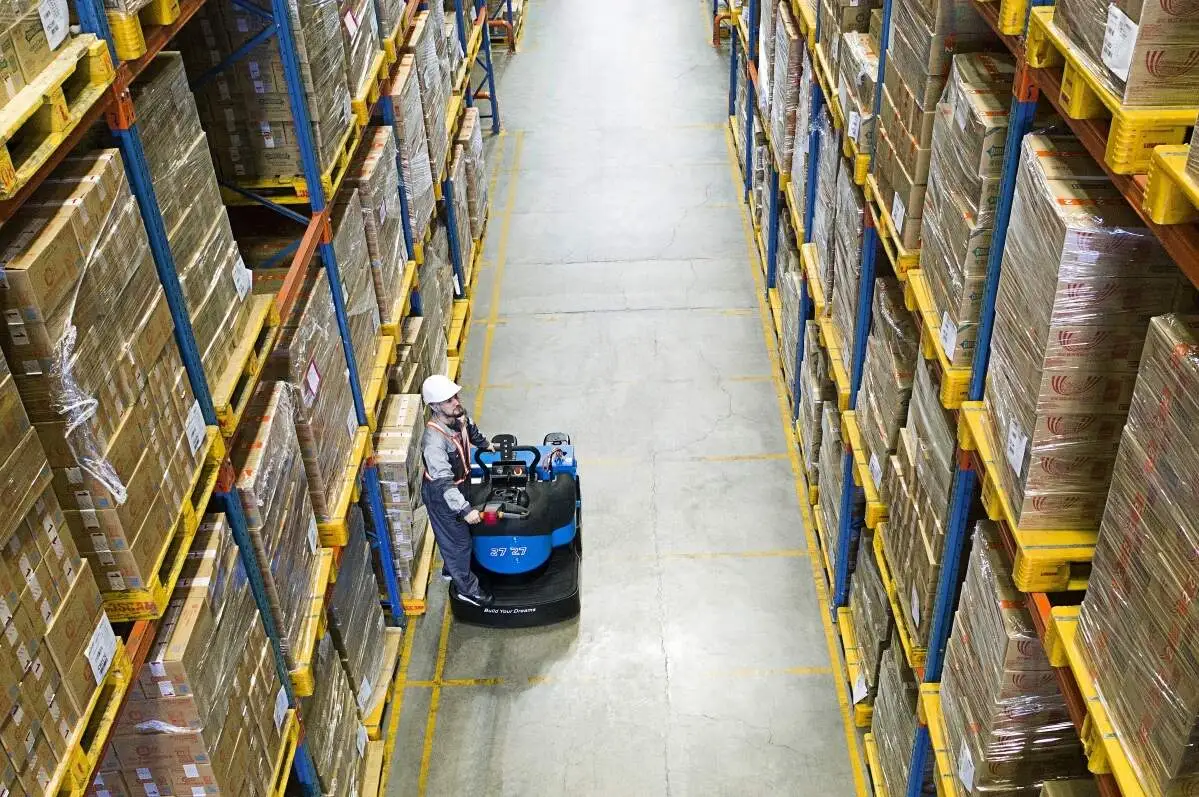
electric forklifts play a pivotal role in modern material handling operations, enabling efficient movement of heavy loads across warehouses, distribution centers, and industrial sites. Among the critical components that ensure their safe and reliable performance is the forklift shock absorber, a part often overlooked until issues arise. Understanding its core functions and knowing when to replace it is essential for maintaining operational efficiency, operator safety, and equipment longevity.
First and foremost, forklift shock absorbers are designed to mitigate vibrations generated during operation. When navigating uneven surfaces, rough terrain, or loading/unloading heavy cargo, the forklift’s suspension system encounters sudden impacts. Shock absorbers dampen these vibrations, reducing the stress on the forklift’s frame, wheels, and internal components. This not only prevents premature wear of parts like tires and bearings but also enhances operator comfort, minimizing fatigue during long shifts and reducing the risk of human error.
Second, these components contribute significantly to load stability. A properly functioning shock absorber ensures that the forklift remains balanced when carrying heavy loads, even when traversing bumpy floors or making sharp turns. By absorbing sudden jolts, it prevents the load from shifting unexpectedly, which could lead to cargo damage, spills, or even tip-over incidents. This stability is particularly crucial for handling fragile or high-value goods, where even minor disruptions can result in significant financial losses.
Third, shock absorbers support the overall longevity of the electric forklift. By reducing excessive stress on the vehicle’s structural and mechanical parts, they help avoid costly repairs and extend the lifespan of key components such as the battery, motor, and steering system. Regular maintenance of shock absorbers ensures that the forklift operates at peak performance, reducing downtime and optimizing operational costs over time.
Recognizing the signs of a worn-out shock absorber is key to timely replacement. One of the most obvious indicators is increased vibration felt by the operator, especially when driving over uneven surfaces. If the forklift bounces excessively or feels unstable during movement, this may signal that the shock absorber is no longer functioning effectively. Leaking fluid is another clear sign; most shock absorbers use hydraulic fluid to dampen vibrations, and visible leaks indicate a loss of pressure and reduced performance.
Additionally, poor handling and difficulty in steering can point to faulty shock absorbers. If the forklift drifts to one side or requires more effort to control, it may be due to uneven wear on the shock absorbers. Unusual noises, such as clunking or rattling sounds when going over bumps, are also red flags that the component is worn and needs replacement.
When it comes to replacing a forklift shock absorber, following proper procedures is essential to ensure safety and effectiveness. Start by ensuring the forklift is turned off and the battery is disconnected to prevent accidental movement. Use appropriate lifting equipment to raise the forklift and secure it with jack stands, ensuring it is stable before beginning any work.
Next, locate the shock absorber, which is typically mounted between the forklift’s frame and axle. Remove any bolts or brackets holding the component in place, taking care to note the position of each part for reassembly. Once the old shock absorber is removed, inspect the mounting points for any damage or wear, and repair or replace them if necessary.
Install the new shock absorber by aligning it with the mounting points and securing it with the appropriate bolts and brackets, tightening them to the manufacturer’s recommended torque specifications. After installation, lower the forklift and test its performance by driving it over uneven surfaces to check for reduced vibration and improved stability. It is also advisable to conduct a thorough inspection of the entire suspension system to ensure all components are in good working order.
In conclusion, forklift shock absorbers are integral to the safe and efficient operation of electric forklifts. By understanding their key functions—vibration reduction, load stability, and equipment longevity—and recognizing the signs of wear, operators and maintenance teams can ensure timely replacement, minimizing downtime and maximizing the lifespan of the forklift. Regular inspections and proactive maintenance are the keys to keeping electric forklifts running smoothly and safely in any material handling environment.