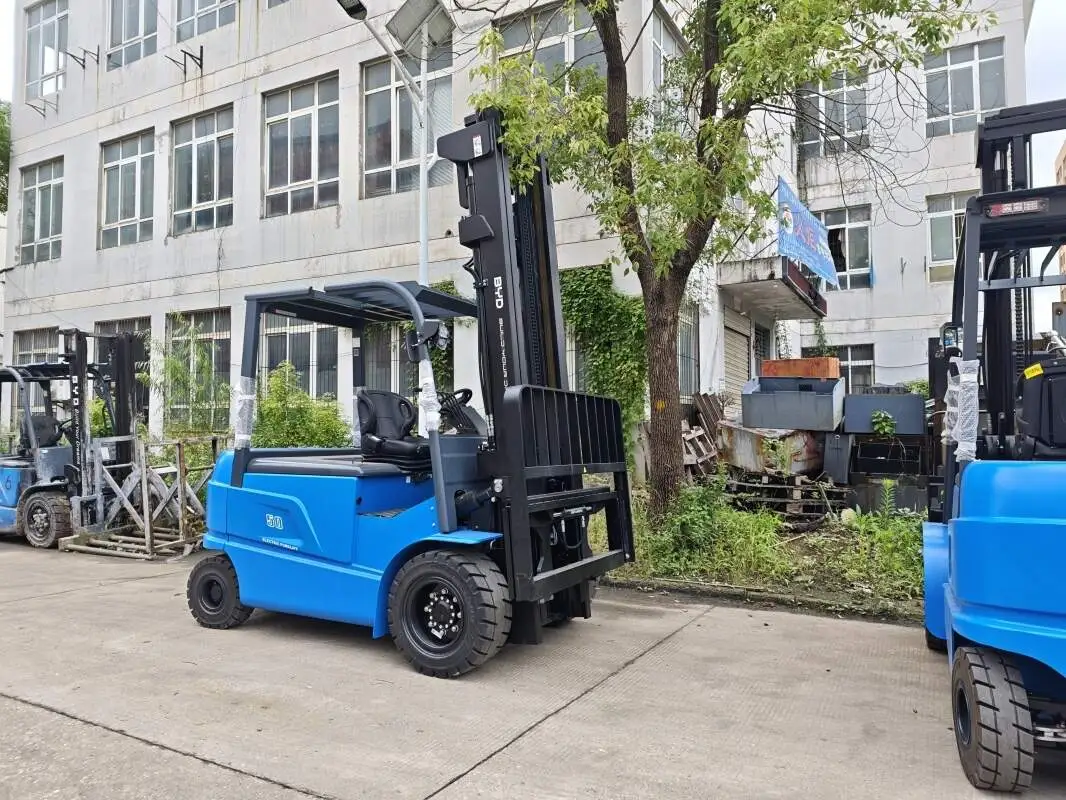
In today’s fast-paced warehouse and logistics operations, electric forklifts are core to seamless material handling. Yet managing a fleet efficiently demands more than manual checks—forklift telematics systems offer data-driven tools to transform fleet monitoring and asset management, driving cost savings and operational agility.
Real-time location and usage tracking serves as a foundational telematics function. Managers gain visibility into each forklift’s exact position, eliminating time wasted searching for idle equipment. Usage pattern analysis reveals underutilized assets, enabling teams to reallocate resources to high-demand zones and maximize fleet productivity. Geofencing capabilities add an extra layer of control, triggering alerts when forklifts enter restricted areas to prevent unauthorized use and enhance site safety.
Performance monitoring and analytics provide actionable insights into equipment operation. Telematics sensors capture data on battery life, energy consumption, travel speed, and load capacity. This information helps operators optimize charging schedules to avoid unexpected downtime, while energy usage trends highlight opportunities to reduce power waste. By analyzing performance metrics, managers can also identify training gaps for operators using equipment inefficiently, refining overall fleet performance.
Predictive and preventive maintenance is a critical function that minimizes unplanned downtime. Telematics systems continuously monitor health indicators like hydraulic pressure, brake wear, and component temperatures. When sensors detect anomalies signaling potential issues, automated alerts are sent to maintenance teams, allowing proactive repairs before problems escalate into costly breakdowns. This approach not only cuts downtime but also extends forklift lifespans by ensuring timely, targeted maintenance.
Safety and compliance management features mitigate operational risks. Telematics tracks operator behaviors such as harsh braking, sudden acceleration, and unsafe turning. These insights enable targeted training programs to correct risky habits, reducing accident likelihood. The system also generates compliance reports documenting inspections, maintenance records, and operator training, ensuring alignment with industry safety standards and regulatory requirements.
Asset lifecycle management completes the telematics suite. By compiling data on usage hours, maintenance history, and repair costs, managers make informed decisions about repairing, refurbishing, or replacing forklifts. This data-driven strategy ensures assets are utilized to their full potential, optimizing return on fleet investments.
Overall, forklift telematics functions create a comprehensive ecosystem for efficient fleet monitoring and asset management. Leveraging real-time data and analytics, businesses streamline operations, cut costs, enhance safety, and extend equipment lifespans—making telematics an indispensable tool in modern material handling.