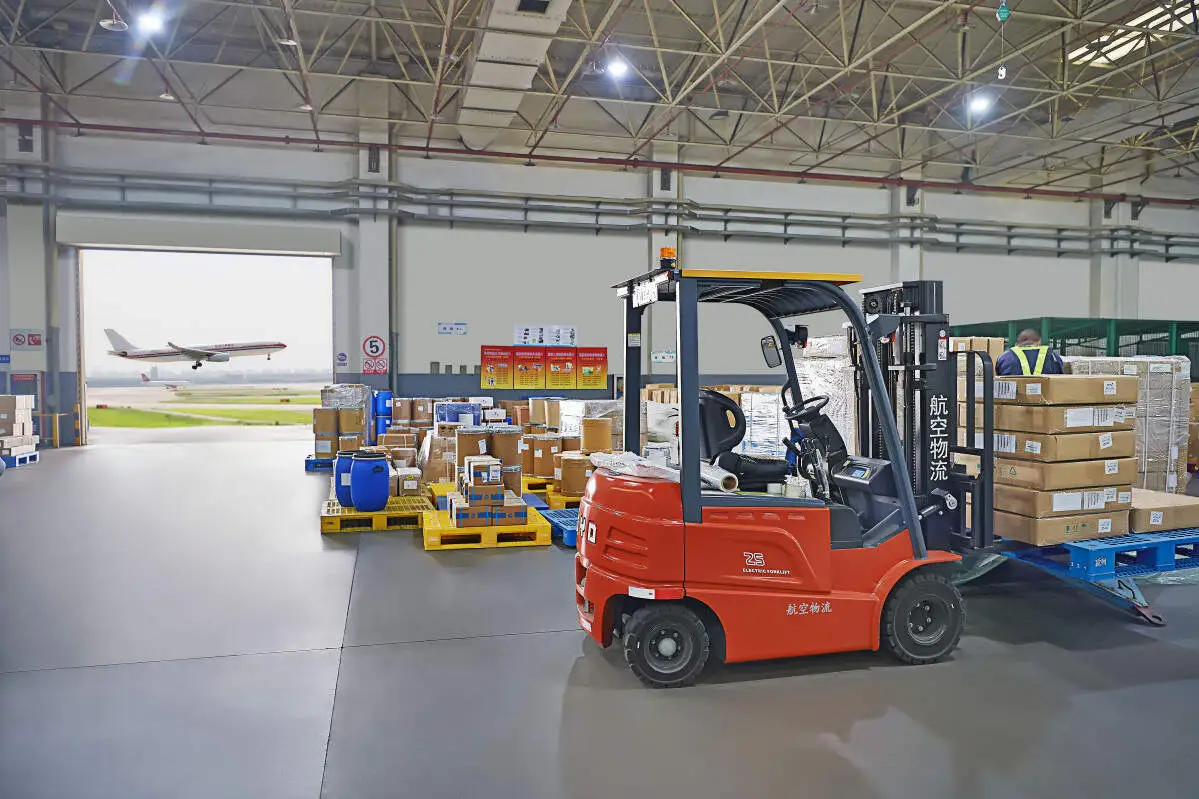
In the realm of material handling, pallet forklifts and hand pallet jacks stand as fundamental equipment, offering flexible solutions tailored to a wide range of operational scenarios. Their adaptability makes them indispensable for businesses seeking to optimize workflow efficiency, reduce manual labor, and ensure safe material movement across different environments.
Warehouse storage and inventory management represents one of the most common and critical applications for these tools. Pallet forklifts excel in accessing high-rise storage racks, enabling workers to retrieve or place palletized goods at elevated positions, maximizing vertical space utilization in large-scale warehouses. For narrow aisles or short-distance material transfers, hand pallet jacks provide unmatched maneuverability, allowing staff to quickly move small batches of goods between storage zones and picking stations. This combination proves particularly valuable in e-commerce fulfillment centers, where rapid order processing and inventory turnover demand agile material handling capabilities.
Manufacturing shop floors also benefit significantly from the use of pallet forklifts and hand pallet jacks. In production environments, pallet forklifts handle heavy loads of raw materials, components, or finished products, transporting them between storage areas and assembly lines to support just-in-time manufacturing practices. Hand pallet jacks, on the other hand, are ideal for navigating tight spaces around machinery, delivering small quantities of parts directly to workstations without disrupting production flow. This targeted material delivery helps minimize work-in-progress inventory and keeps production schedules on track.
Retail and grocery distribution centers, as well as brick-and-mortar stores, rely on these tools to maintain efficient stock management. In retail backrooms, hand pallet jacks are used to unload delivery trucks and move palletized goods to storage shelves, ensuring that products are restocked promptly to meet customer demand. For larger retail facilities, pallet forklifts assist in unloading bulk shipments and organizing inventory in dedicated storage areas, reducing the time and effort required for manual handling. Their compact design also makes them suitable for use in urban retail locations where space is limited.
Logistics and freight hubs leverage pallet forklifts and hand pallet jacks to streamline loading and unloading operations. Pallet forklifts are essential for moving palletized goods between trucks, containers, and storage yards, enabling efficient transshipment of cargo. Hand pallet jacks play a key role in transferring goods within the hub’s internal spaces, such as from loading docks to sorting areas, ensuring that cargo flows smoothly through the logistics chain. This coordinated use of equipment helps reduce turnaround times for vehicles and enhances overall hub productivity.
Even small businesses and micro-operations find value in these material handling tools. For small manufacturing workshops, hand pallet jacks offer a cost-effective way to move raw materials and finished products without the need for heavy machinery. Small retail stores or cafes use hand pallet jacks to unload deliveries and organize stock in limited backroom spaces, while compact pallet forklifts can serve businesses with larger storage needs but limited facility size. Their ease of operation and low maintenance requirements make them accessible to businesses with minimal material handling expertise.
Across all these scenarios, the core strength of pallet forklifts and hand pallet jacks lies in their versatility and adaptability. Whether handling heavy loads in a warehouse, navigating tight spaces in a manufacturing plant, or supporting daily operations in a small retail store, these tools provide reliable solutions that align with the unique needs of each environment. By integrating these equipment into their operations, businesses can enhance safety, reduce labor costs, and improve overall operational efficiency.