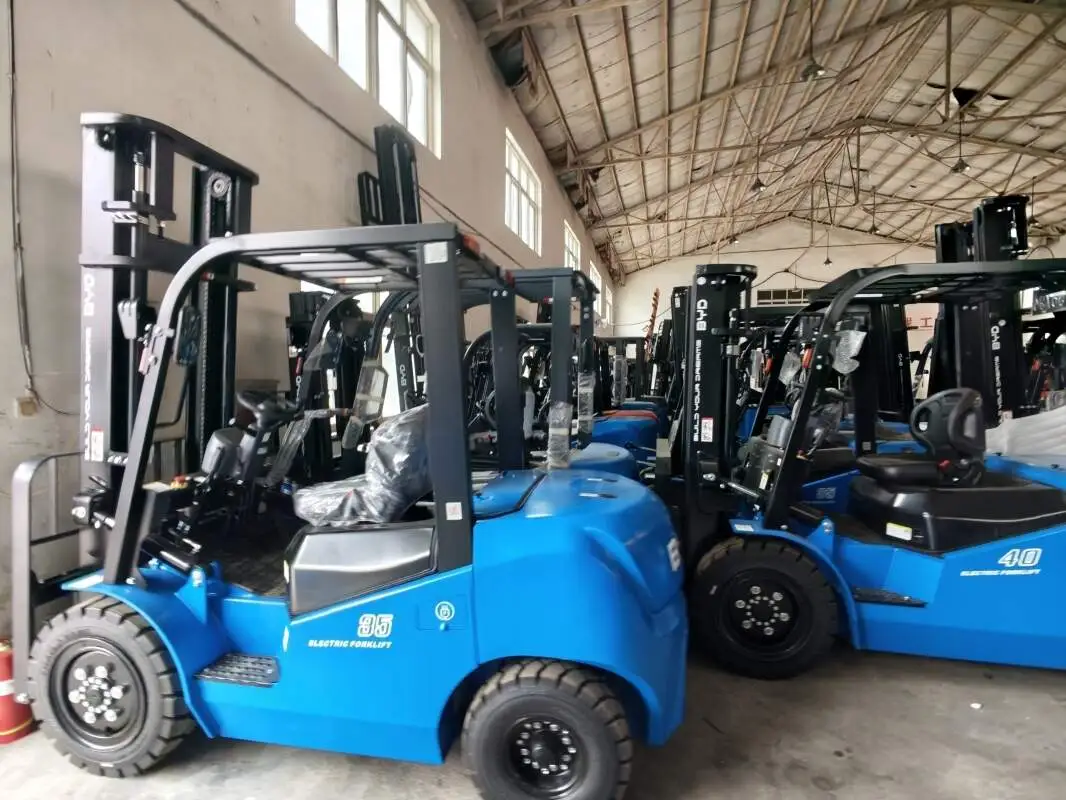
Ensuring the safe working capacity of electric forklifts is a cornerstone of workplace safety, as exceeding load limits can lead to equipment failure, accidents, and potential harm to personnel. For different forklift units, which may vary in size, design, and intended use, a systematic approach to verifying safe working capacity is essential.
First, start by reviewing the manufacturer’s official specifications. Every electric forklift comes with a rated load capacity, determined through rigorous production testing. This value outlines the maximum weight the forklift can safely lift and transport under ideal conditions. It is critical to cross-reference this specification with intended operational tasks—for example, a unit designed for light warehouse tasks may not suit heavy industrial loads. Note that rated capacity assumes the load is centered on the forks; uneven distribution can significantly reduce the safe working limit.
Next, conduct regular load testing under controlled conditions. Begin with loads at 75% of the rated capacity, gradually increasing to full rated weight, and in some cases, testing at 125% for short durations (in line with safety standards) to assess structural integrity. During testing, observe key indicators: forklift stability when lifting loads to maximum height, braking system responsiveness under heavy weights, and unusual sounds or vibrations from hydraulic or mechanical components. Document all results to track capacity changes over time.
Third, inspect critical components that directly impact safe working capacity. Check the hydraulic system for leaks or reduced pressure, as compromised hydraulics can cause sudden load drops. Examine forks for bending, cracks, or excessive wear—even minor damage weakens their load-supporting ability. Additionally, assess tire and suspension condition; worn tires or faulty suspension can disrupt balance, especially when carrying heavy loads on uneven surfaces.
Fourth, evaluate the operational environment, as external factors alter safe working capacity. Operating on sloped surfaces reduces maximum safe load, as gravity raises tipping risks. Wet or icy floors compromise traction, making full-rated loads unsafe even with a well-maintained forklift. High temperatures can affect battery performance and hydraulic fluid viscosity, impairing lifting capabilities. Adjust working capacity accordingly based on these conditions.
Finally, implement operator training and maintain detailed documentation. Train operators to recognize overloading signs, such as unstable handling or slow lifting speeds, and to adhere to safe limits. Keep records of all inspections, load tests, and maintenance activities; this documentation identifies equipment performance trends and ensures compliance with safety regulations.
By following these structured methods, businesses can accurately confirm the safe working capacity of different electric forklift units, minimizing accident risks, extending equipment lifespan, and maintaining a secure workplace for all personnel.