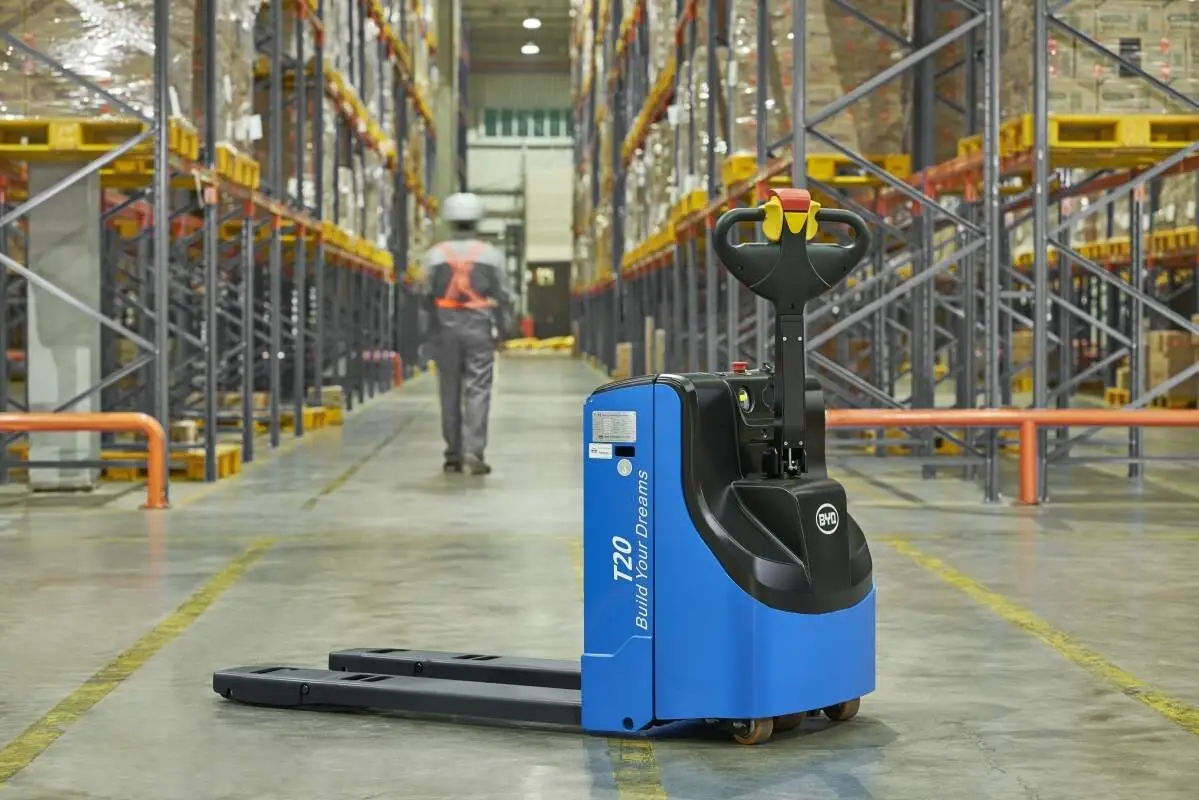
As global logistics and warehousing sectors continue to expand, the demand for reliable material handling equipment, particularly electric forklifts, has surged. When evaluating global forklift brands, price and initial performance are often primary considerations, but two critical factors that directly impact long-term operational efficiency and cost-effectiveness are durability and after-sales support. A comprehensive evaluation focusing on these aspects helps businesses make informed decisions that align with their operational needs.
Durability is the cornerstone of a forklift’s value, as it determines how well the equipment withstands daily wear and tear, heavy loads, and varied operating conditions. Key metrics for evaluating durability include structural integrity—such as the quality of frame materials and welding techniques, which resist bending and corrosion under repeated use. Components like batteries, electric motors, and hydraulic systems also play pivotal roles; brands that prioritize high-quality, long-lasting components tend to have lower failure rates over time. Additionally, real-world performance in diverse environments, from cold storage facilities to outdoor construction sites, is a crucial indicator. Forklifts built to endure temperature fluctuations, dust, and moisture reduce unplanned downtime, minimizing losses from halted operations.
After-sales support is equally vital, as even the most durable forklifts require maintenance and occasional repairs. Effective after-sales frameworks include a global network of service centers, ensuring prompt access to trained technicians when issues arise. Accessibility of genuine spare parts is another key factor; delays in obtaining parts can extend downtime significantly. Many brands offer additional support such as remote diagnostic tools, which allow technicians to identify and resolve issues without on-site visits, and operator training programs to optimize equipment use and prevent premature wear. Transparent warranty policies, which cover major components for a reasonable duration, also provide businesses with financial security and confidence in their investment.
When conducting a global forklift brand evaluation, it is essential to balance durability and after-sales support. For example, a brand with strong durability track records but limited after-sales reach in a business’s operating region may not be the most suitable choice, as repair delays could disrupt daily operations. Conversely, a brand with robust support systems but average durability might lead to frequent maintenance costs over time. Industry reports and verified user feedback can provide valuable insights into how brands perform in these areas, helping businesses weigh trade-offs based on their specific operational context—whether it’s high-volume warehouse operations or intermittent outdoor use.
In conclusion, evaluating global forklift brands through the lens of durability and after-sales support goes beyond surface-level features. It focuses on long-term reliability and operational continuity, which are critical for businesses looking to maximize their material handling investments. By prioritizing these factors, companies can select equipment that not only meets their immediate needs but also supports sustained efficiency and growth in the competitive logistics landscape.