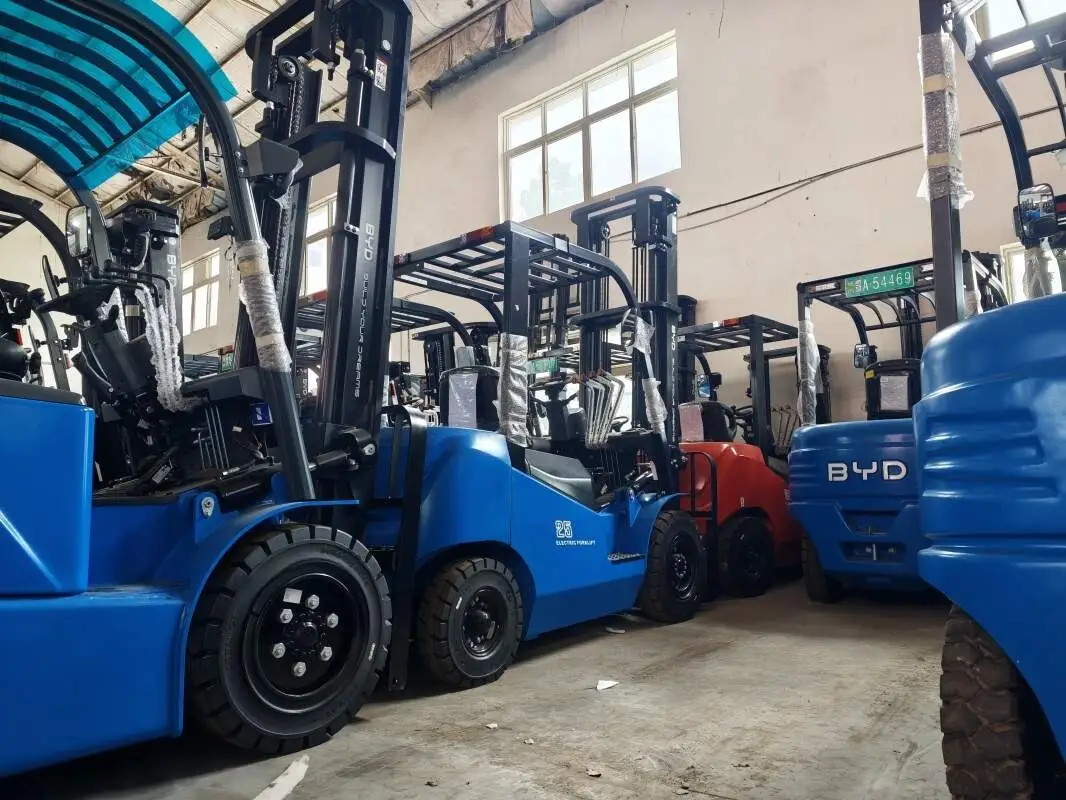
In today’s fast-paced warehouse and distribution environments, optimizing forklift fleet operations and maintaining a safe workplace are top priorities for businesses. A forklift telematics system emerges as a data-driven solution designed to address both needs, integrating GPS technology, onboard sensors, and cloud-based analytics to deliver actionable insights into fleet performance.
When it comes to enhancing fleet efficiency, real-time location tracking is a core feature of telematics systems. Managers can instantly locate every forklift in the facility, allowing them to assign the closest available unit to urgent tasks. This cuts down on unnecessary travel time and reduces wait periods for material handling, directly improving overall workflow speed. Additionally, predictive maintenance capabilities play a key role in minimizing unplanned downtime. Sensors continuously monitor critical components like engine performance, battery charge levels, and brake wear, generating alerts when parts show signs of degradation. By scheduling maintenance proactively, businesses can avoid sudden breakdowns that disrupt operations and extend the lifespan of their forklift fleet.
Route optimization is another efficiency-focused benefit. Telematics systems collect data on common task routes and operator movement patterns over time. Analyzing this data helps identify bottlenecks and redundant paths, enabling managers to streamline workflows. For example, adjusting pick-up and drop-off zones based on telematics insights can reduce the number of trips forklifts make daily, saving fuel and increasing productivity per shift.
On the safety front, forklift telematics systems provide robust tools to mitigate workplace risks. Operator behavior monitoring sensors track actions like speeding, harsh acceleration, improper load lifting, and seatbelt non-compliance. Instant alerts are sent to managers when unsafe behaviors are detected, allowing for immediate intervention and targeted training sessions. This not only corrects risky habits but also fosters a culture of safety among operators.
Collision avoidance features further enhance safety by using proximity sensors to detect obstacles, pedestrians, or other vehicles in the forklift’s path. Operators receive visual or auditory warnings to avoid potential accidents, reducing the risk of injuries and equipment damage. Additionally, telematics systems log operator hours of service, ensuring compliance with fatigue management regulations. This helps prevent operators from working beyond recommended limits, a common cause of workplace incidents.
Overall, a forklift telematics system is more than just a monitoring tool—it’s a strategic investment that drives operational efficiency while prioritizing workforce safety. By harnessing the power of data, businesses can make informed decisions to optimize their fleet, reduce operational costs, and create a safer, more productive work environment.