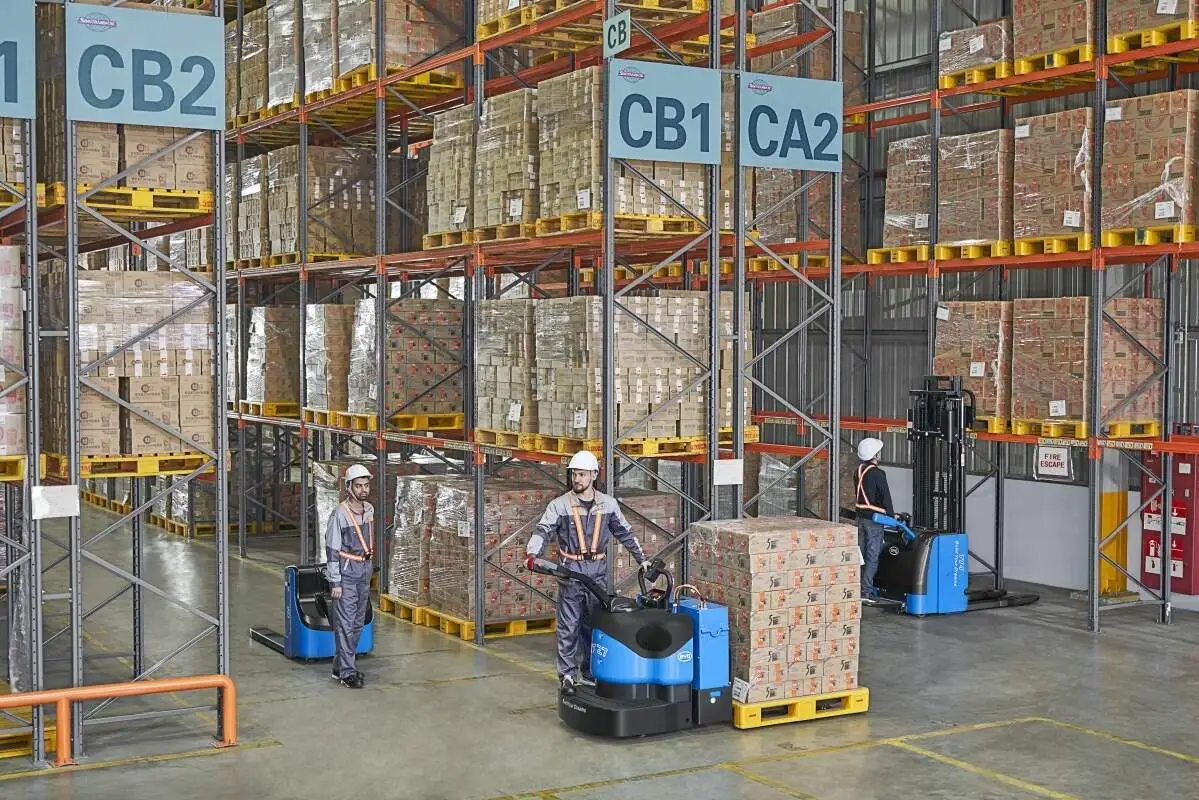
When managing material handling operations, practical forklift extensions can significantly boost productivity by expanding your equipment’s capabilities. Whether you need to handle longer loads, reach higher storage racks, or improve maneuverability in tight spaces, choosing the right extensions from local suppliers ensures quick access to support and tailored solutions.
Assess Your Operational Requirements
Start by defining your specific needs to narrow down suitable forklift extensions. Consider the types of loads you regularly handle: if you transport long items like lumber or steel beams, extended fork tines will be essential. For operations requiring precise placement in narrow aisles, side-shift extensions might be a better fit. Evaluate your typical load weight and frequency—extensions must match your forklift’s maximum load capacity to avoid safety risks. Also, factor in your work environment: outdoor operations may need corrosion-resistant extensions, while indoor warehouse use might prioritize non-marking materials to protect flooring.
Verify Compatibility with Your Forklift
Not all extensions work with every forklift model, so compatibility is non-negotiable. Measure your existing fork dimensions, including length, width, and thickness, to ensure extensions fit securely. Local suppliers can often send technicians to your site for on-site measurements, reducing the risk of incorrect fits. Additionally, check that the extension’s load rating aligns with your forklift’s specifications. Overloading extensions can lead to structural damage or accidents, so always cross-reference these details before making a purchase.
Evaluate Local Supplier Credibility
Choosing a reputable local supplier offers distinct advantages, such as faster delivery, on-site support, and easy access to maintenance services. Research customer reviews and testimonials to gauge supplier reliability—look for feedback on product quality, response time, and after-sales support. Ask suppliers if they provide product demonstrations or trial periods, allowing you to test extensions in your actual operating conditions. A trustworthy supplier will also be knowledgeable about industry safety standards and can guide you to compliant products.
Prioritize Safety and Compliance
Safety should be at the forefront of your purchasing decision. Look for extensions designed with safety features like anti-slip surfaces to prevent load shifting, and reinforced construction to withstand heavy use. Ensure the extensions meet relevant industry safety standards, which your local supplier should be able to confirm. Additionally, train your operators on how to use extensions correctly, including proper load balancing and speed adjustments. Local suppliers may offer training resources or workshops to help your team use the equipment safely.
Compare Pricing and After-Sales Support
While cost is a factor, avoid choosing extensions based solely on price. Balance affordability with quality to ensure long-term durability. Local suppliers often offer competitive pricing with transparent cost structures, including any additional fees for installation or maintenance. Inquire about warranty coverage—reliable suppliers will stand behind their products with reasonable warranty periods. Also, check if the supplier provides ongoing support, such as repair services or replacement parts, to minimize downtime if issues arise.
By following these steps, you can select practical forklift extensions that meet your operational needs while leveraging the benefits of working with local suppliers. Taking the time to research and evaluate your options will lead to a purchase that enhances efficiency, improves safety, and delivers long-term value for your material handling operations.