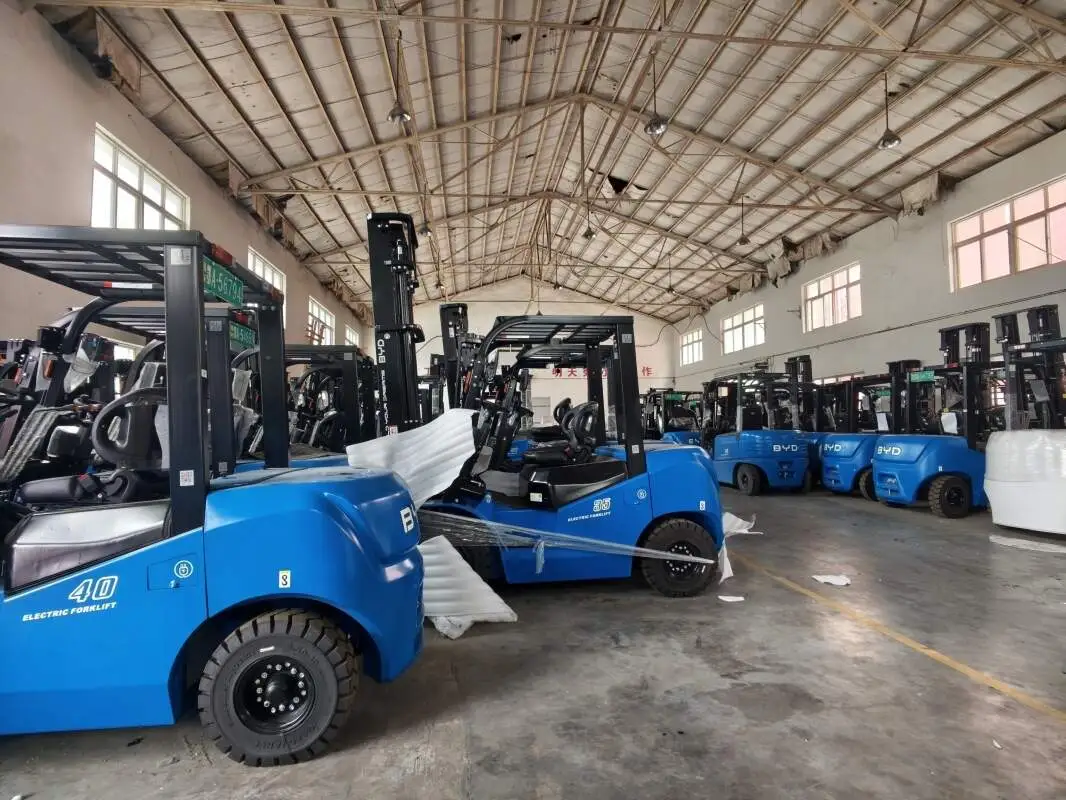
forklift tine anvils are critical load-bearing components that endure constant stress, friction, and impact during daily operations, making regular wear inspection a foundational element of fleet maintenance. Over time, gradual wear can compromise structural integrity, increasing the risk of equipment failure and endangering worker safety. Neglecting these inspections not only leads to costly unplanned downtime but also violates industry safety compliance standards.
Conducting a thorough tine anvil wear inspection starts with a detailed visual assessment. Inspectors should examine the anvil surface for visible signs of wear, including rounded edges, surface cracks, or uneven deformation. Pay special attention to areas where heavy loads are consistently placed, as these zones experience the highest levels of stress. Following the visual check, use precision measuring tools such as calipers or micrometers to quantify wear levels accurately. Industry guidelines generally define a maximum allowable wear limit of 10% of the original anvil thickness; exceeding this threshold indicates an immediate need for replacement to prevent structural failure. Additionally, inspect mounting hardware for looseness or damage, as compromised attachments can accelerate wear and lead to unexpected component detachment.
For multi-unit forklift fleets, a targeted, data-driven approach to replacement is essential for efficiency and safety. Establish a centralized maintenance log for each forklift, documenting inspection dates, wear measurements, operational usage metrics (including average load weight, daily operating hours, and working environment), and previous replacement records. This data helps identify usage patterns: forklifts deployed in high-load, rough-terrain settings will likely require more frequent inspections and earlier replacements compared to those used in indoor, light-load environments. Prioritize replacement for units that exceed wear thresholds or show signs of structural damage, as these pose the most significant safety risks to operators and workplace personnel.
When implementing fleet-wide replacement strategies, plan installations during off-peak operational hours to minimize workflow disruptions. Coordinate with maintenance teams to ensure replacement parts are readily available and installed in accordance with standard operational specifications. Train both inspectors and forklift operators to recognize early signs of anvil wear, encouraging proactive reporting to address issues before they escalate into major problems. Establish a consistent inspection schedule tailored to fleet usage: monthly checks for high-use fleets, and quarterly checks for low-use fleets, to maintain ongoing oversight of component condition.
By prioritizing regular tine anvil wear inspections and implementing data-driven fleet-wide replacement practices, businesses can enhance operational safety, extend equipment lifespan, and reduce long-term maintenance costs. Consistent monitoring and proactive action are key to ensuring forklift fleets remain reliable, compliant, and capable of supporting daily operational demands.