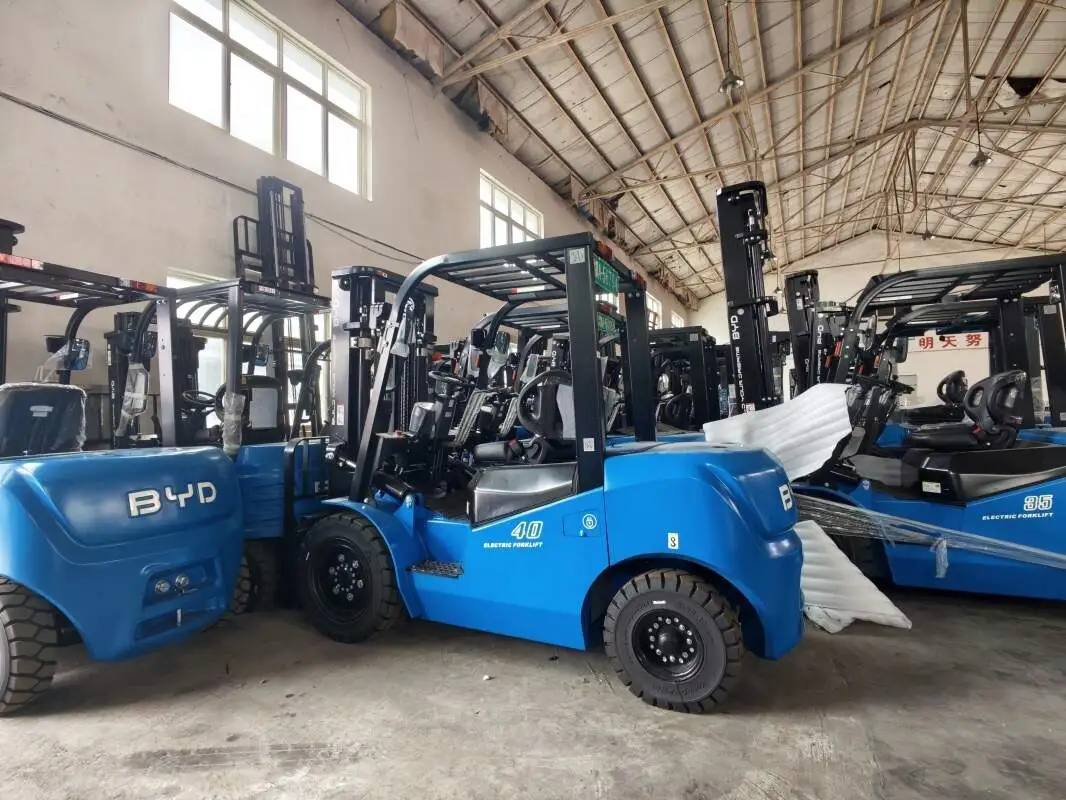
The WR3000 forklift is a reliable electric-powered material handling solution designed to meet the demands of warehouses, distribution centers, and industrial workspaces. Its engineering balances performance, maneuverability, and energy efficiency, making it suitable for both indoor and outdoor light to medium-duty tasks.
When considering the WR3000’s core specifications, it offers a maximum load capacity of 3000 kilograms, aligning with standard medium-duty material handling needs. The maximum lift height reaches up to 3 meters, enabling access to mid-level storage racks. Powered by a lead-acid battery, it provides a continuous operation runtime of approximately 8 hours under typical load conditions, with a charging time of 10 to 12 hours for a full charge. Its compact design features a turning radius of 2.5 meters, allowing easy navigation through narrow aisles and crowded work areas. The forklift also comes with a comfortable operator cabin, including adjustable seating and intuitive control panels to reduce fatigue during extended shifts.
Pre-operation inspections are critical to ensure safe and efficient use. Before starting the forklift, operators should check the battery’s charge level and inspect for any signs of leakage or damage. Tire condition should be examined for proper inflation and visible wear, as worn tires can compromise stability. The brake system needs to be tested to ensure responsive stopping power, while the hydraulic system should be checked for fluid leaks and adequate pressure. Additionally, operators should verify that all lights, horns, and safety alarms are functioning correctly.
During operation, operators must adhere to key safety protocols. Maintain a safe speed at all times, adjusting according to workspace conditions and load weight. Ensure the load is properly centered and secured on the forks to prevent shifting, which can lead to instability. Keep a clear line of sight; if the load obstructs forward vision, travel in reverse with caution. When operating on ramps, avoid turning and ensure the load is kept uphill to maintain balance. Never exceed the forklift’s rated load capacity, as this can result in tip-over accidents.
After completing tasks, proper post-operation procedures should be followed. Park the forklift on a flat, stable surface, engage the parking brake, and lower the forks to the ground. Turn off the power supply and remove the key to prevent unauthorized use. Clean any debris or spilled materials from the forklift, particularly around the forks and hydraulic components. Conduct a quick visual check for any new damage or issues that need to be addressed before the next use.
Regular daily maintenance also contributes to the forklift’s longevity. Ensure the battery is charged in a well-ventilated area and avoid overcharging. Check hydraulic fluid levels weekly and top up as needed using the recommended fluid type. Inspect the mast and chain components for signs of wear or tightness, and lubricate moving parts as specified in the operation guidelines. Address any minor issues promptly to prevent them from developing into more serious problems that could disrupt operations.