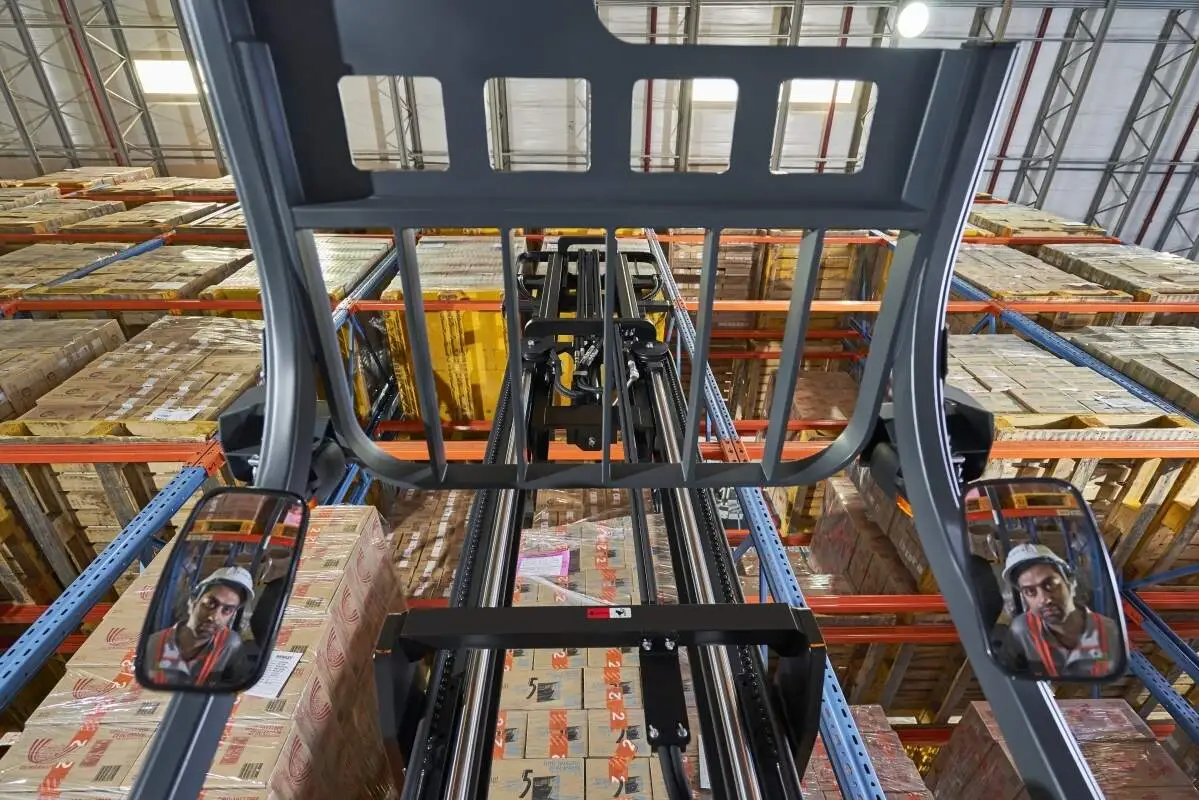
Many businesses rely on forklifts to streamline material handling tasks, and adding a trailer hitch to an existing unit can extend its functionality, enabling it to tow small trailers for transporting tools, parts, or light loads. However, modifying an existing forklift with a trailer hitch requires careful planning and adherence to safety standards to avoid structural damage, operational risks, or compliance issues.
Before starting any modification, conduct a thorough assessment of your forklift’s specifications and structural integrity. Begin by reviewing the manufacturer’s load capacity guidelines—this includes both the forklift’s maximum lifting capacity and its towing capacity, if specified. Inspect the rear frame of the forklift, as this is where the hitch will be mounted. Check for signs of corrosion, cracks, or prior damage, as these can weaken the structure and compromise the hitch’s stability. Additionally, assess surrounding components like hydraulic lines, electrical wiring, or exhaust systems to ensure the hitch installation will not interfere with their operation.
Selecting the right trailer hitch component is critical for safe operation. Choose a hitch that matches your forklift’s size, weight class, and intended towing load. Avoid generic or ill-fitting parts, as they may not distribute weight evenly or withstand the stresses of towing. Ensure the hitch is made of durable, high-strength materials that meet industry safety standards. If unsure about compatibility, consult a qualified technician or refer to established safety guidelines for material handling equipment.
When installing the hitch, start by preparing the mounting area. Clean the rear frame to remove dirt, grease, or rust, which can prevent proper adhesion of fasteners. Mark drill points carefully, ensuring the hitch is aligned symmetrically with the forklift’s centerline to avoid uneven weight distribution during towing. Use appropriate drilling tools to create pilot holes, then secure the hitch with heavy-duty bolts, nuts, and lock washers. Tighten all fasteners to the torque specifications recommended for your forklift model—under-tightening can lead to loosening over time, while over-tightening may damage the frame.
After installation, conduct a series of safety tests to verify the hitch’s functionality. Start with a visual inspection, checking for misalignment, loose fasteners, or frame damage. Next, perform an unloaded test: tow an empty trailer around a designated area, monitoring for smooth operation and no unusual noises or vibrations. Gradually increase the load to the maximum intended towing capacity, testing braking, turning, and reversing maneuvers. If you notice instability, unusual movement, or component failure, stop operations immediately and re-inspect the installation.
Regular maintenance is essential to keep the trailer hitch in safe working condition. Inspect the hitch and fasteners monthly, tightening loose components and checking for wear or corrosion. Clean the hitch regularly to prevent dirt or debris buildup that could affect performance. Additionally, ensure your modified forklift complies with local safety regulations and industry standards. Some regions may require inspections or certifications for modified material handling equipment, so research and adhere to these requirements to maintain compliance.
Modifying an existing forklift with a trailer hitch can be a cost-effective way to enhance its utility, but it must be done with safety and compliance at the forefront. By following these modification notes, you can ensure the hitch is installed correctly, operates safely, and extends your forklift’s capabilities without compromising its structural integrity or operational reliability.