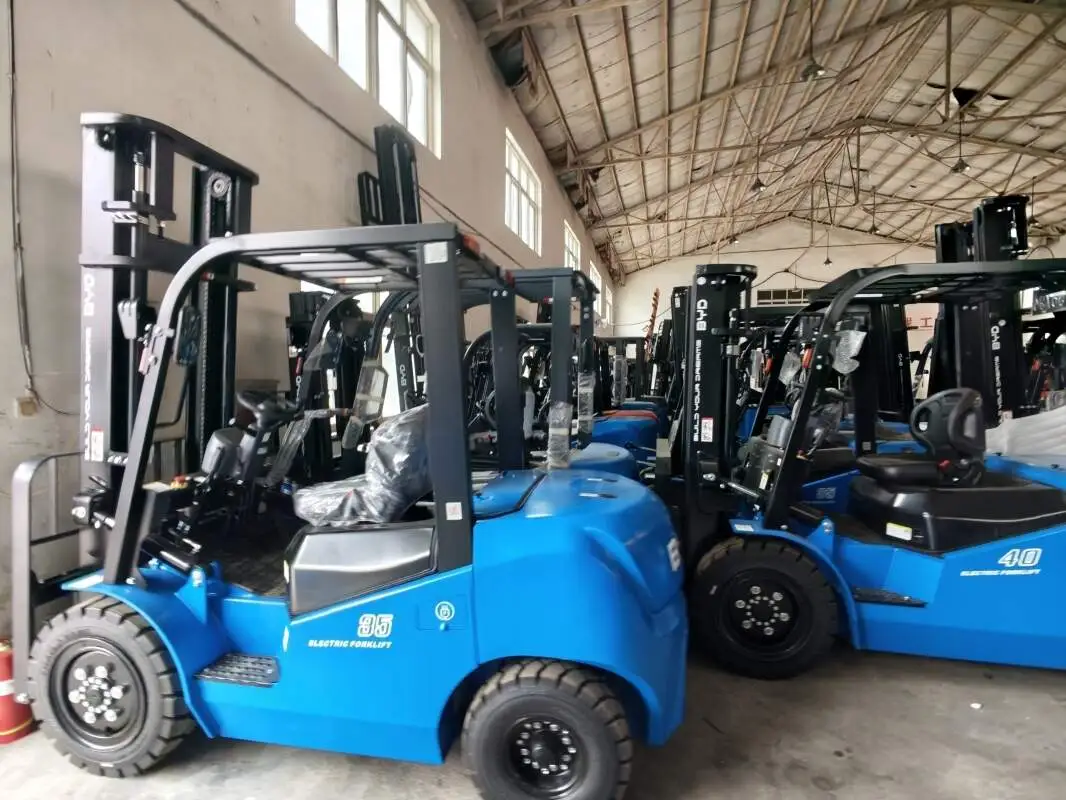
In today’s fast-paced material handling environments, maintaining optimal forklift fleet performance is critical to minimizing downtime and maximizing operational efficiency. Forklift truck telematics has emerged as a transformative tool, enabling fleet managers to monitor vehicle conditions remotely and address issues before they escalate.
Real-time fleet status monitoring stands as the foundation of telematics-enabled condition tracking. Through integrated sensors, telematics systems capture live data on key metrics such as battery charge levels (for electric forklifts), engine temperature, hydraulic pressure, and operating speed. This data is transmitted to a central dashboard, giving managers a comprehensive view of every forklift’s current state. For example, if a forklift’s battery drops below a predefined threshold, the system triggers an alert, allowing teams to schedule a swap or recharge before the vehicle stalls mid-operation. This real-time visibility also helps optimize fleet utilization by identifying underused vehicles and reallocating resources where demand is highest.
Predictive fault detection is another vital function that elevates fleet condition monitoring from reactive to proactive. Telematics systems analyze historical and real-time sensor data to identify patterns associated with potential mechanical failures. For instance, unusual vibrations in the lift mechanism or inconsistent brake performance can be flagged early, indicating a need for inspection. By alerting maintenance teams to these subtle anomalies, telematics helps prevent unexpected breakdowns that could disrupt workflow and incur costly repairs. This predictive capability not only reduces unplanned downtime but also extends the lifespan of forklifts by addressing issues at their initial stages.
Performance and usage analysis further enhances condition monitoring by linking operational behavior to vehicle health. Telematics tracks driver actions such as sudden acceleration, hard braking, and overloading, all of which can accelerate wear and tear on critical components. Fleet managers can use this data to identify high-risk driving patterns and provide targeted training to improve operator behavior. Over time, this leads to reduced strain on forklifts, lower maintenance costs, and improved safety. Additionally, analyzing usage patterns helps optimize maintenance schedules—instead of adhering to rigid time-based intervals, teams can perform servicing based on actual vehicle usage, ensuring resources are allocated efficiently.
Compliance and maintenance tracking rounds out the core telematics functions for fleet condition monitoring. Telematics systems automatically log maintenance activities, including oil changes, filter replacements, and safety inspections, creating a digital record that simplifies regulatory compliance. Many systems also send automated reminders when scheduled maintenance is due, ensuring forklifts remain in compliance with industry safety standards. For electric forklifts, telematics can track battery health and charging cycles, ensuring batteries are maintained according to manufacturer guidelines to prevent premature degradation.
By leveraging these telematics functions, fleet managers can transition from reactive to proactive condition monitoring, resulting in a more reliable, efficient, and cost-effective forklift fleet. As material handling operations continue to evolve, telematics will remain a key tool for maintaining optimal fleet performance and staying ahead of operational challenges.