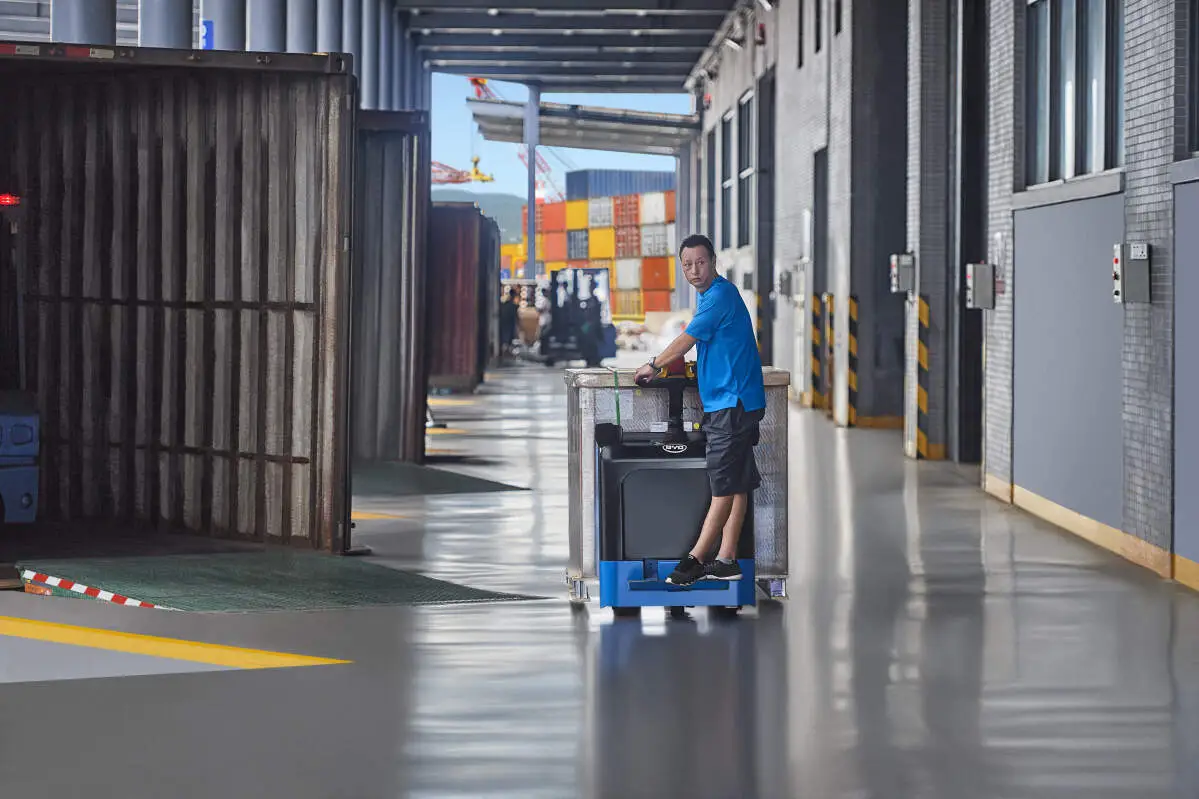
Warehouse efficiency hinges on choosing the right material handling equipment, and two common options are forklifts and reach trucks. Understanding their differences and how they align with your warehouse layout is key to boosting operational flow and reducing unnecessary costs.
Standard forklifts are versatile workhorses ideal for warehouses with open, wide aisles and flat, stable flooring. They excel at a range of tasks, from loading and unloading trucks at dock areas to moving pallets across large open spaces. With a robust design, they can handle heavy loads, making them suitable for warehouses that prioritize ground-level or lower-level storage operations. Their maneuverability in spacious areas allows for quick movement between different zones, but they require more aisle width to operate safely, which can limit storage density if space is at a premium.
Reach trucks, by contrast, are engineered for narrow aisle environments and high-rise storage systems. Their telescopic mast extends forward to reach pallets on upper shelves without needing to drive into the aisle fully, which means they can operate in aisles that are significantly narrower than those required for standard forklifts. This design maximizes vertical storage space, making reach trucks a top choice for warehouses looking to optimize storage density in limited floor space. They are particularly effective in facilities with multi-level racking systems, where accessing high-stored goods is a primary task. However, reach trucks typically have lower weight capacities compared to standard forklifts and may not be as suitable for rough or uneven flooring.
When evaluating which unit fits your warehouse layout, start by assessing aisle width. If your warehouse has wide, open aisles (usually 10 feet or more) and focuses on ground-level or mid-height storage, a standard forklift is likely the more practical choice. It offers flexibility for various tasks and can handle heavier loads with ease. For warehouses with narrow aisles (as little as 6 feet) and tall racking systems, a reach truck will help you make the most of vertical space, reducing the need for extra floor area while keeping high-stored items accessible.
Another factor is your daily operational flow. If your warehouse deals with frequent dock-to-storage movements across large areas, the speed and versatility of a forklift can streamline operations. On the other hand, if most tasks involve picking and storing items in high racks within tight spaces, a reach truck’s precision and reach capabilities will enhance efficiency. It’s also important to consider floor conditions—forklifts perform better on smooth, even surfaces, while reach trucks are designed for indoor warehouse floors and may struggle with uneven terrain.
Ultimately, the choice between a forklift and a reach truck boils down to your warehouse’s unique layout, storage needs, and operational priorities. By carefully analyzing these factors, you can select equipment that not only fits your space but also improves overall productivity, reduces operational costs, and ensures a safe working environment for your team.