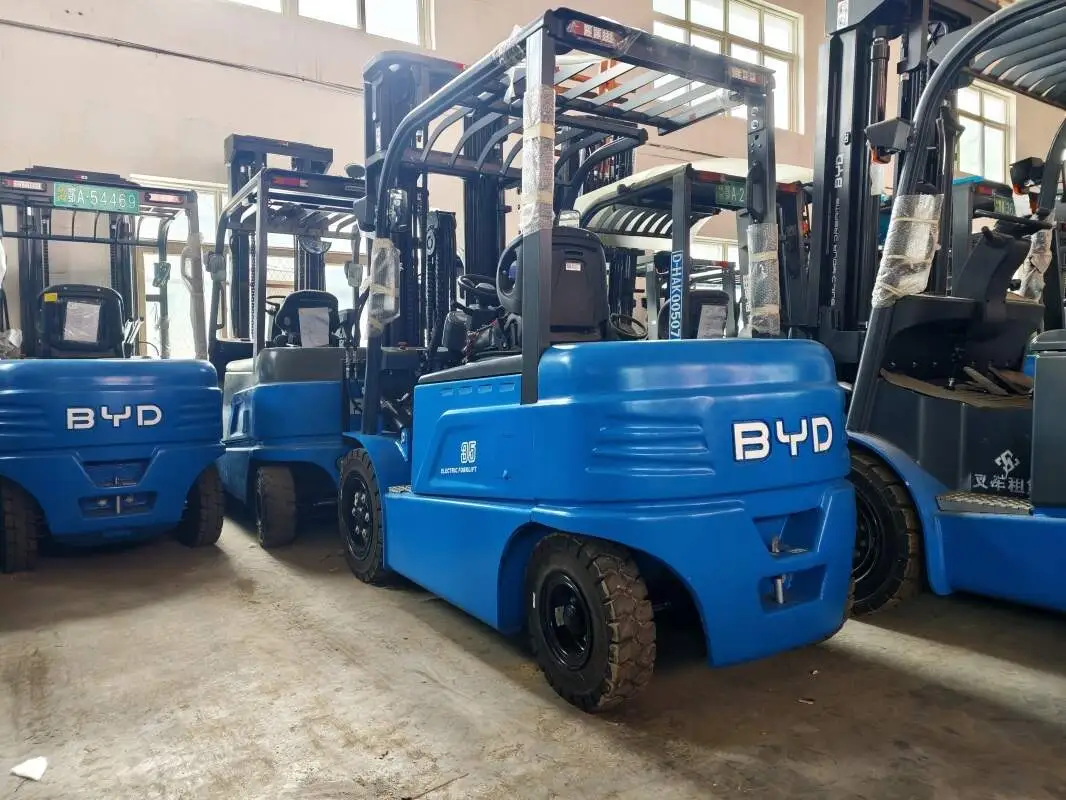
When operating general forklifts, understanding standard fork length is critical for safe, efficient material handling operations. Fork length directly impacts a forklift’s load-bearing capacity, stability, and suitability for different tasks, making it essential for operators and facility managers to grasp reference guidelines in this area.
Standard fork lengths for general forklifts typically range from 48 inches to 96 inches, though variations exist based on specific operational needs. Shorter forks, around 48 to 60 inches, are ideal for compact spaces, such as narrow warehouse aisles or small storage facilities where maneuverability is a top priority. Medium-length forks, spanning 60 to 72 inches, strike a balance between maneuverability and load support, making them a versatile choice for most common warehouse and distribution center tasks. Longer forks, from 72 to 96 inches, are designed for handling longer loads, such as lumber, pipe, or large pallets, where extended support is necessary to prevent load instability.
Several key factors influence the choice of standard fork length for general forklifts. First, load dimensions play a primary role—forks should be long enough to support at least two-thirds of the load’s length to ensure even weight distribution and reduce the risk of tipping. Second, the forklift’s rated load capacity must align with the fork length; longer forks can reduce the effective load capacity due to increased leverage, so it’s vital to consult the manufacturer’s guidelines to avoid overloading. Additionally, operational environment matters: confined spaces demand shorter forks for better maneuverability, while open outdoor areas or large storage yards can accommodate longer forks for handling bulky loads.
When selecting the appropriate fork length, start by assessing the most common loads handled in your facility. Measure the average length of these loads and choose forks that meet the two-thirds support rule. Always verify compatibility with your forklift’s load capacity chart, as using forks longer than recommended can compromise stability and lead to safety hazards. Regular inspections of fork condition are also essential—worn or bent forks can affect load support, regardless of length, so replace damaged forks promptly to maintain safe operations.
Having a clear understanding of standard fork length reference information helps optimize material handling processes, reduce safety risks, and extend the lifespan of both forklifts and forks. By matching fork length to load requirements and operational conditions, operators can ensure efficient, secure performance in any general forklift application.