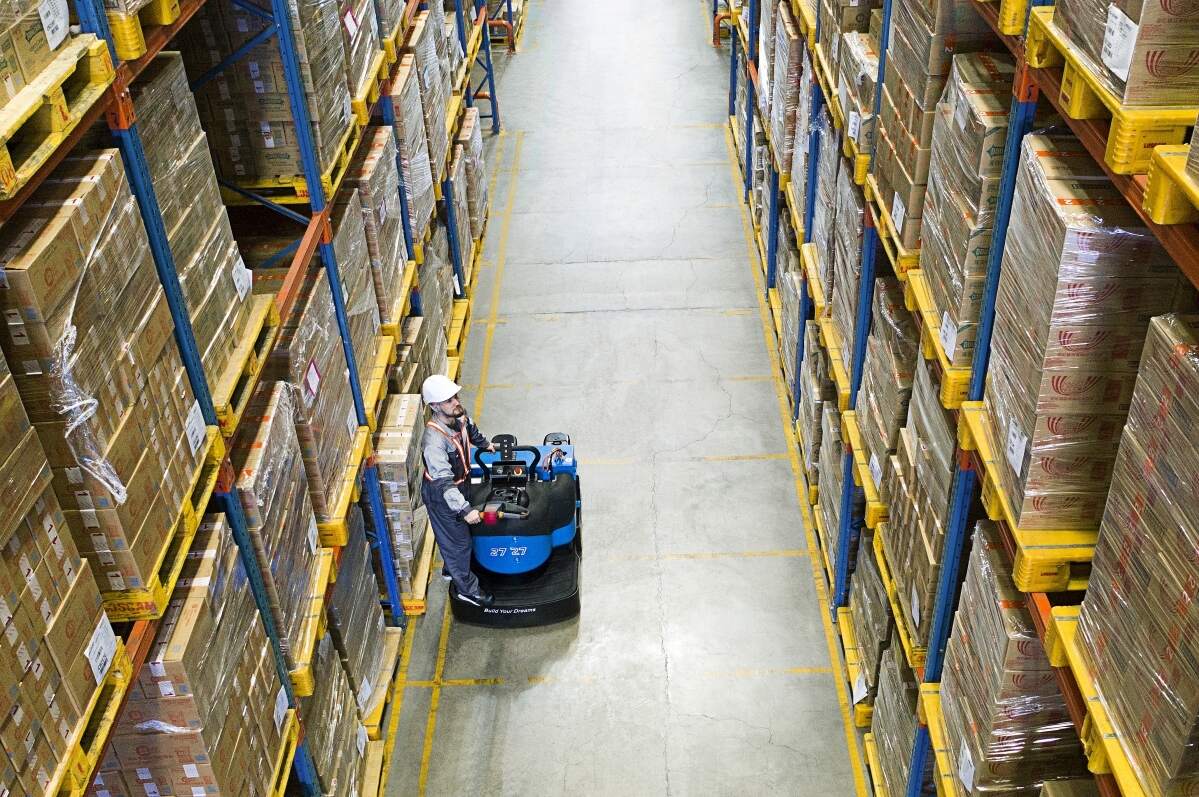
The demand for small-capacity electric forklifts has been steadily rising in recent years, driven by their suitability for compact warehouse spaces, eco-friendly operation, and low maintenance requirements compared to internal combustion models. For businesses looking to invest in these units, understanding the key factors that shape their pricing is essential for making cost-effective decisions.
One of the primary determinants of a small-capacity electric forklift’s price is its battery type and capacity. Lead-acid batteries are generally more affordable upfront, making them a common choice for businesses with tight budgets. However, they have shorter lifespans and require more frequent maintenance, which can add long-term costs. In contrast, lithium-ion batteries come with a higher initial price tag but offer longer service life, faster charging times, and lower maintenance needs, providing better value over time. Larger battery capacities, which extend the forklift’s operating range between charges, also contribute to a higher overall price.
Configuration and functional features also play a significant role in pricing. Forklifts designed with higher lift heights require more robust hydraulic systems and structural components, increasing manufacturing costs. Similarly, units with enhanced load-bearing capabilities, though within small-capacity ranges, may use heavier-duty materials to support additional weight. Optional features like side-shift attachments, anti-slip systems, and advanced control panels can further elevate the price, as these components add complexity and utility to the forklift.
The quality of manufacturing materials and production processes impacts pricing too. Forklifts constructed with high-strength steel for the frame and mast are more durable and resistant to wear and tear, but they cost more to produce than those using standard steel. Precision welding techniques and rigorous quality control measures during assembly also add to the overall cost, as they ensure the forklift meets safety and performance standards. Forklifts built with attention to detail in component sourcing and assembly often command a higher price due to their enhanced reliability.
Compliance with regional safety and environmental regulations is another factor that affects pricing. Forklifts intended for sale in markets with strict safety standards must undergo additional testing and certification processes, which incur extra costs. For example, meeting emission control requirements for electric systems or adhering to workplace safety guidelines for operator protection can lead to higher production expenses, which are passed on to the buyer. Similarly, forklifts designed to meet international standards may require modifications to components, further influencing the final price.
Finally, after-sales services and warranty terms contribute to the overall value and price of a new small-capacity electric forklift. Longer warranty periods, which cover parts and labor for extended durations, indicate that the manufacturer stands behind the product’s quality but also increase the upfront cost. Additional services like free maintenance for the first year, on-site repair support, or training programs for operators can also add to the price, as they provide ongoing value to the buyer beyond the initial purchase.
In summary, the price of new small-capacity electric forklifts is shaped by a combination of technical specifications, manufacturing quality, regulatory compliance, and after-sales support. By evaluating these factors, businesses can select a forklift that aligns with their operational needs and budget, ensuring a wise investment that delivers long-term value.