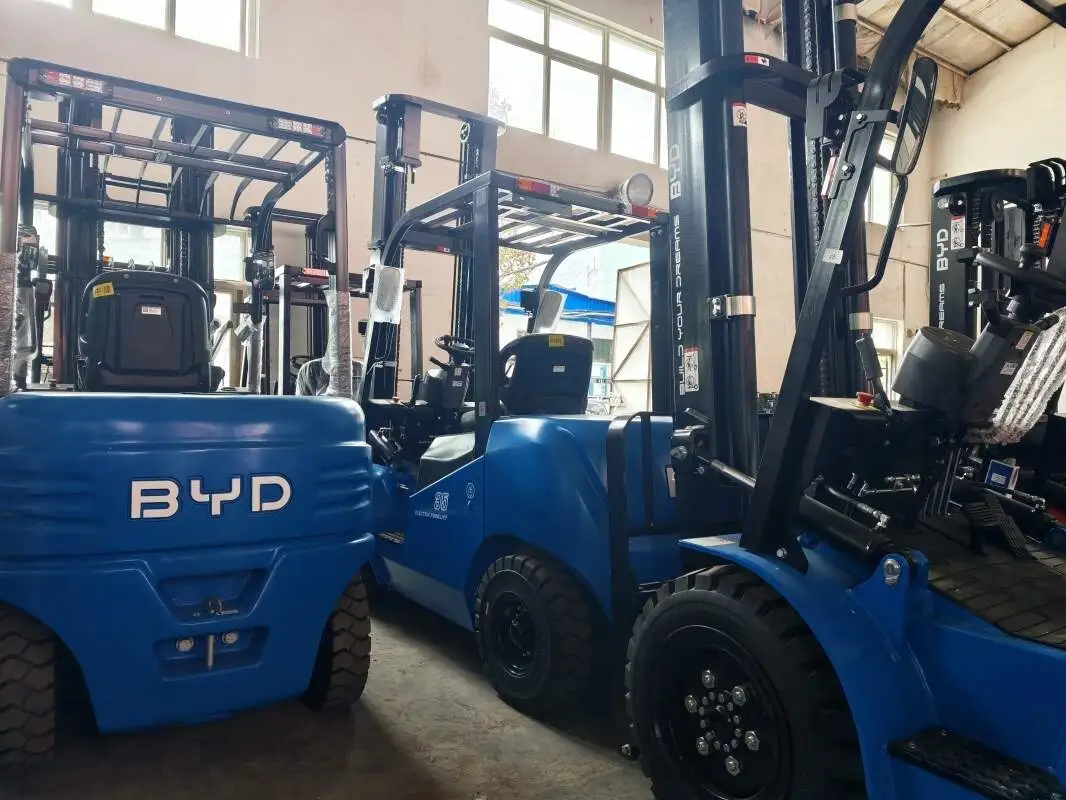
Purchasing used forklift parts can be a cost-effective solution for maintaining and repairing your equipment, helping you reduce operational expenses without compromising on performance. However, the market is filled with low-quality components that can lead to frequent breakdowns, safety risks, and higher long-term costs. This guide outlines key steps to help you navigate the used parts market and avoid substandard products.
Start by understanding your forklift’s exact requirements. Every forklift model has specific part specifications, and using incompatible components can cause irreversible damage. Refer to your forklift’s manual to note part numbers, dimensions, and material requirements. For example, hydraulic pumps or lift cylinders are designed to match your forklift’s load capacity, so using a mismatched part can lead to hydraulic system failures. Taking the time to confirm these details upfront eliminates the risk of buying parts that won’t fit or function correctly.
Thorough inspection is critical to identifying low-quality used parts. For metal components like forks or mast parts, check for signs of excessive wear, cracks, or bending. Even small cracks can expand under load, leading to catastrophic failures. For hydraulic parts, look for oil leaks, rust, or damaged seals, as these indicate potential performance issues. Electrical components should be inspected for corrosion on connectors or frayed wires, which can cause intermittent power problems or safety hazards. Rubber parts such as tires or hoses should be checked for cracking, bulging, or loss of elasticity—these signs mean the part is nearing the end of its useful life.
Verify the reliability of your parts source. Reputable suppliers often have a track record of providing quality used parts and may offer limited warranties or return policies. Avoid purchasing from unvetted sellers who cannot provide information about the part’s origin or condition. Look for customer reviews or testimonials to gauge the supplier’s reputation. A reliable supplier will also be able to answer questions about the part’s history, such as how long it was in use and why it was removed from the original forklift.
Compare pricing wisely, but don’t prioritize cost over quality. While low-priced parts may seem like a good deal, they often skimp on material quality or lack proper testing, leading to frequent replacements and downtime. Calculate the total cost of ownership: a slightly more expensive, high-quality used part will last longer and require fewer repairs, saving you money in the long run. Be wary of prices that are significantly lower than the average market rate, as this is often a red flag for substandard components.
Prioritize safety-critical parts. Components like brake systems, steering mechanisms, and lift chains directly impact operator safety and equipment stability. Even if you’re looking to save costs, never compromise on the quality of these parts. Inspect safety components with extra care: check brake pads for adequate thickness, ensure steering gears are free of excessive play, and verify lift chains have no visible broken links or signs of stretching. Investing in high-quality used safety parts helps prevent workplace accidents and ensures compliance with safety regulations.
By following these steps, you can confidently navigate the used forklift parts market, select reliable components, and avoid the pitfalls of low-quality products. Taking the time to research, inspect, and vet suppliers will help you balance cost savings with performance and safety, keeping your forklift running smoothly and reducing long-term operational costs.