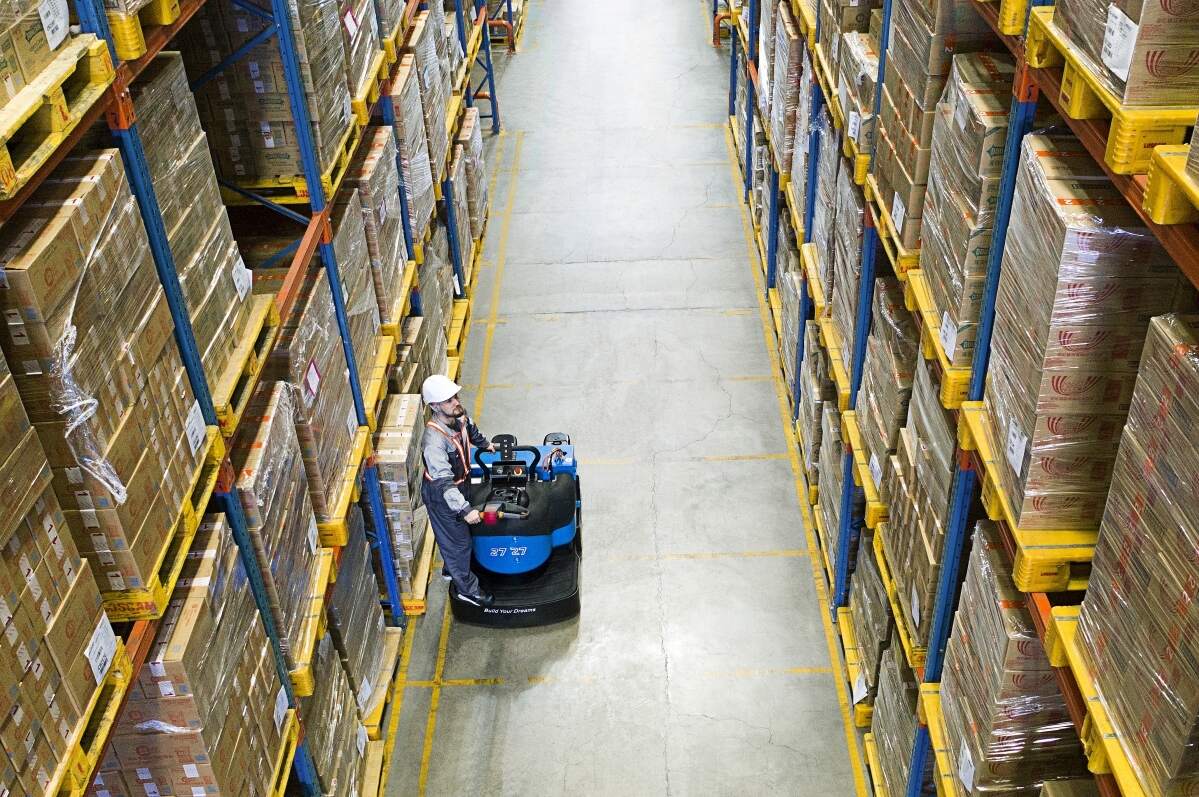
In warehouses, manufacturing plants, and distribution centers, handling fragile goods like glass panels, ceramic tiles, and delicate electronic components poses significant challenges. Traditional forklift attachments often rely on clamps or straps, which can easily scratch, crack, or break these items, leading to costly product loss and operational delays. This is where forklift vacuum lifter attachments come into play, offering a reliable solution to transport fragile loads safely and efficiently.
At its core, a forklift vacuum lifter attachment operates using suction technology to create a secure grip on the surface of fragile goods. The attachment is equipped with a vacuum pump and durable suction cups that conform to the shape of the load, distributing pressure evenly across the surface. This even pressure distribution eliminates the risk of localized stress points that could cause damage. The vacuum system maintains consistent suction throughout the lift, ensuring the load remains stable during movement, whether it’s being lifted, lowered, or transported across the facility.
One of the key advantages of using a vacuum lifter attachment is its non-invasive gripping method. Unlike clamps that exert force on specific areas, suction cups make full contact with the load’s surface, reducing the likelihood of scratches or cracks. This makes it ideal for handling items with smooth, flat surfaces, such as glass, acrylic sheets, or polished stone. Additionally, vacuum lifters are highly versatile—many models come with adjustable suction cup configurations to accommodate different load sizes and shapes, allowing operators to handle a variety of fragile goods without switching attachments.
Forklift vacuum lifter attachments are widely used across multiple industries. In the glass manufacturing sector, they are essential for moving large glass panels from production lines to storage areas or delivery trucks. In the construction industry, they assist with lifting delicate tile sheets or pre-cast concrete panels without causing chipping. Electronics manufacturers rely on these attachments to transport sensitive circuit boards and display screens, minimizing the risk of damage that could compromise product functionality. Even in retail distribution centers, vacuum lifters help handle fragile packaging items like tempered glass shelves or high-end appliance components.
To ensure safe operation, operators should follow basic guidelines. Before each use, inspect the suction cups for signs of wear or damage, as compromised cups can reduce suction efficiency. Verify that the vacuum pump is functioning correctly and that the suction pressure meets the recommended levels for the specific load. Operators should also be trained to handle loads at appropriate speeds, avoiding sudden movements that could disrupt the vacuum seal. Regular maintenance, including cleaning the suction cups and checking the vacuum hose for leaks, helps extend the attachment’s lifespan and ensures consistent performance.
By integrating a forklift vacuum lifter attachment into material handling operations, businesses can reduce product damage, lower operational costs, and improve overall safety. This innovative attachment addresses the unique challenges of fragile goods handling, providing a secure and efficient alternative to traditional lifting methods. Whether managing a warehouse, manufacturing plant, or construction site, investing in this attachment is a practical step toward optimizing material handling processes and protecting valuable fragile assets.