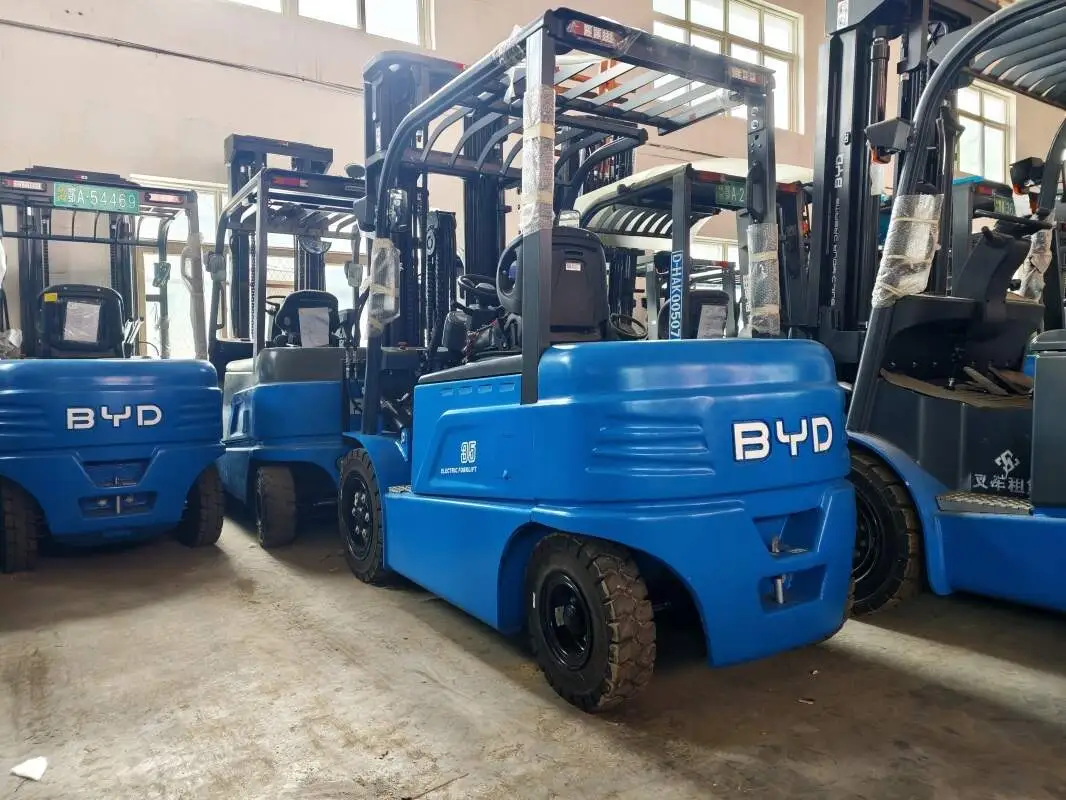
Class 5 forklifts, categorized as internal combustion counterbalance forklifts, are workhorses in industrial material handling, engineered to manage heavy-duty lifting tasks that lighter electric models may struggle with. Designed with a rear counterweight to balance loads lifted at the front, these forklifts are a staple in environments where moving bulky, heavy inventory is a daily requirement.
At their core, load handling capability defines the value of Class 5 forklifts. Most models offer load capacities ranging from 5,000 to over 30,000 pounds, making them suitable for lifting pallets of raw materials, large finished goods, or construction components. The counterweight design ensures stability even when reaching maximum lift heights, which can extend up to 20 feet or more, allowing efficient stacking in high-rise warehouse racks or loading cargo onto semi-trailers.
Power system versatility is another key functional feature. Class 5 forklifts typically run on diesel, gasoline, or liquefied petroleum gas (LPG). Diesel-powered variants deliver high torque, making them ideal for outdoor applications like construction sites or lumber yards where rough terrain and continuous heavy lifting are common. LPG models offer lower emissions than diesel, making them suitable for both indoor and outdoor use in warehouses or manufacturing facilities, while gasoline-powered options provide quick refueling and flexible operation across diverse settings.
Operational efficiency is enhanced by ergonomic and performance-focused design elements. Operator cabins are equipped with adjustable seats, intuitive control layouts, and climate control features to reduce fatigue during long shifts. Advanced hydraulic systems enable smooth, precise load lifting and lowering, minimizing the risk of product damage. Many models also feature responsive steering systems, allowing operators to maneuver through large warehouse aisles or outdoor yards with ease.
Safety is integrated into every functional aspect of Class 5 forklifts. Built-in load indicators alert operators when approaching weight limits, preventing overloading that could lead to tipping. Anti-lock braking systems ensure secure stops on wet or uneven surfaces, while rearview mirrors, backup alarms, and optional camera systems improve visibility and reduce collision risks with personnel or obstacles. Mast designs prioritize forward visibility, letting operators monitor loads during lifting and transport.
These forklifts excel in a range of industrial applications. In warehouses, they handle heavy inventory storage and retrieval; in manufacturing plants, they move raw materials to production lines and finished goods to shipping areas; in logistics hubs, they load and unload heavy cargo from trucks and containers. Their durability and power make them well-suited for harsh environments, including outdoor construction sites and cold storage facilities.
Proper maintenance is critical to sustaining their functionality. Regular inspections of engine components, hydraulic fluids, brake systems, and tires help prevent breakdowns and extend the forklift’s lifespan. Scheduled servicing ensures compliance with industrial safety standards and keeps the equipment operating at peak performance, minimizing downtime and supporting consistent material handling operations.