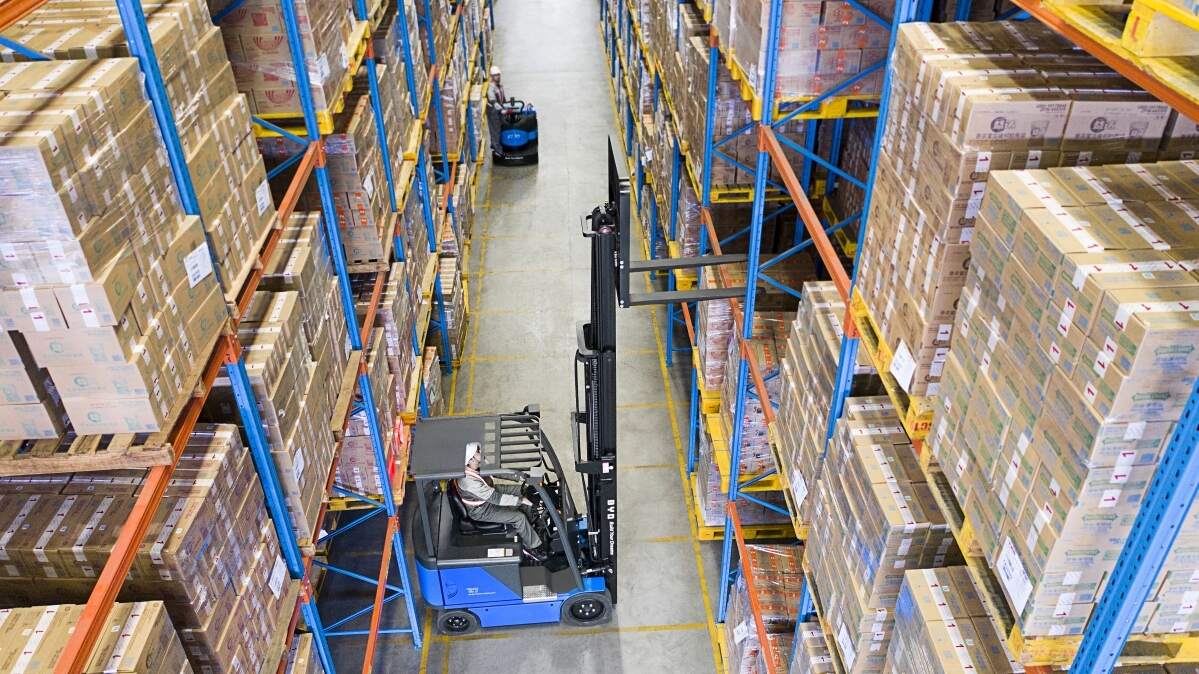
Long forklift forks are specialized attachments designed to extend the reach of electric forklifts, enabling handling of longer, bulkier loads that standard forks cannot accommodate. As material handling demands evolve across industries, understanding their optimal application scenarios and key procurement factors is crucial for maximizing operational efficiency and safety.
Application Scenarios
In warehouse and distribution centers, long forks are indispensable for managing elongated goods such as steel pipes, wooden beams, or oversized packaging. They allow operators to pick, transport, and stack these items securely without risking load imbalance or damage. For example, when handling multiple long pallets of construction materials, long forks provide sufficient length to support the entire load, reducing the chance of goods slipping during movement.
Manufacturing facilities also rely on long forklift forks to move large, oversized components like machine frames, vehicle chassis parts, or industrial ductwork. These attachments enable seamless transportation between production lines, storage areas, and shipping docks, eliminating delays caused by transferring loads to specialized vehicles and streamlining production workflows.
In agricultural operations, long forks prove invaluable for handling elongated items like hay bale stacks, irrigation pipes, or wooden fence posts. They efficiently lift and move these bulky supplies across farmyards or storage barns, reducing manual labor and boosting productivity during busy planting or harvesting seasons.
Construction sites benefit from long forks too, as they facilitate the movement of long building materials such as steel bars, lumber, and prefabricated concrete panels. Electric forklifts equipped with long forks can navigate tight site spaces while securely transporting materials to different work zones, supporting timely project completion.
Procurement Considerations
First, match the long forks’ load capacity with the electric forklift’s maximum lifting capacity. Overloading can lead to structural damage, instability, and safety hazards. Always refer to the forklift’s manufacturer specifications to ensure the forks can handle the intended load weight and length.
Second, prioritize material and structural integrity. Long forks face greater stress due to their extended length, so opt for forks made from high-strength steel or durable alloys. Look for reinforced tines and robust construction to resist bending, warping, or cracking under heavy loads. Regular wear inspections should be part of ongoing maintenance to extend their lifespan.
Third, ensure forklift compatibility. Not all electric forklifts can accommodate long forks, so verify that the forks fit the carriage dimensions, mounting brackets, and hydraulic system. Mismatched forks cause improper alignment, leading to inefficient operation and safety risks. Consulting a qualified technician can help confirm proper compatibility.
Fourth, adhere to safety compliance standards. Choose forks that meet industry safety regulations, including features like load backrest extensions to prevent loads from sliding backward, and clear load limit labeling. Training operators on safe use, including load balancing techniques, is essential to minimize workplace accidents.
Finally, consider maintenance requirements. Select forks that are easy to inspect, clean, and repair to reduce downtime. Look for designs with accessible components and corrosion-resistant finishes to withstand harsh environments like outdoor construction sites or humid warehouses.
By evaluating these scenarios and considerations, businesses can select the right long forklift forks for their electric forklifts, enhancing material handling efficiency, cutting operational costs, and ensuring a safe working environment for all personnel.