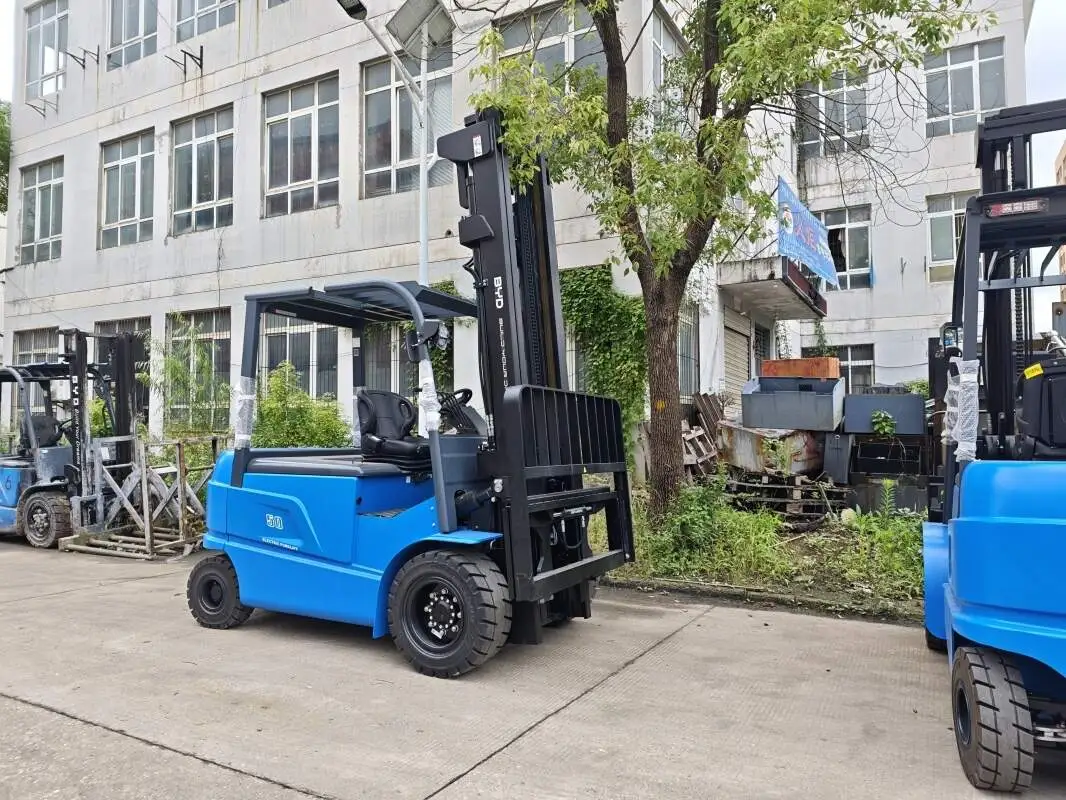
electric forklifts are workhorses in warehouses, distribution centers, and manufacturing facilities, streamlining material handling tasks. forklift tow attachments extend their functionality beyond lifting, turning them into versatile solutions for pulling loads across various work environments. Understanding their core functions and following proper installation guidelines is key to maximizing their utility while maintaining operational safety.
Core Functions of Forklift Tow Attachments
The primary role of a tow attachment is to enable electric forklifts to pull heavy or bulky loads that are not suited for lifting with forks. This includes wheeled carts, trailers, and containers that sit on the ground, expanding the forklift’s range of tasks without requiring additional specialized equipment.
Another key function is improving operational efficiency. Instead of making multiple trips to transport small loads, forklifts with tow attachments can pull multiple connected carts in a single trip, reducing the time spent on material movement and increasing overall productivity. This is particularly beneficial in large warehouses where moving goods between storage and loading docks involves long distances.
Tow attachments also enhance maneuverability in tight spaces. Unlike larger dedicated towing vehicles, electric forklifts are designed to navigate narrow aisles and compact areas. When paired with a tow attachment, they can pull loads through these constrained spaces without compromising on control, making them ideal for facilities with limited floor space.
Additionally, these attachments support flexible load management. They can be adjusted to accommodate different load sizes and types, from lightweight utility carts to heavy-duty industrial trailers. This adaptability means businesses can use a single electric forklift for multiple tasks, reducing equipment costs and simplifying fleet management.
Step-by-Step Installation Guidelines
Proper installation is critical to ensuring the tow attachment operates safely and effectively. Follow these structured steps for a successful setup:
1. Pre-Installation Preparation
Before beginning installation, verify that the tow attachment is compatible with your electric forklift model. Check both the attachment and the forklift’s mounting points for signs of damage, such as cracks or worn components, as these can compromise safety. Gather all necessary tools, including wrenches, torque drivers, and any hardware provided with the attachment.
2. Secure the Mounting Base
Position the tow attachment’s mounting base onto the forklift’s designated rear or side mounting point, aligning the holes precisely. Insert the provided bolts and tighten them to the torque specifications recommended in the attachment’s documentation. Avoid over-tightening, as this can strip threads or damage components.
3. Connect Auxiliary Components
If your tow attachment includes hydraulic or electrical components for locking or adjusting the tow hook, carefully connect these to the forklift’s corresponding systems. Inspect all connections for leaks or loose wires, and ensure that any hydraulic lines are routed away from moving parts to prevent damage during operation.
4. Perform a Test Operation
Once installation is complete, conduct a test with a lightweight load to assess the attachment’s performance. Pull the load across different surfaces, including smooth floors and ramps, to check for stability and proper attachment engagement. Verify that the tow hook locks securely and releases smoothly when needed.
5. Post-Installation Inspection
After the initial test, perform a full inspection of the attachment and mounting points. Check for any loose bolts or damaged components, and make adjustments as necessary. Establish a regular inspection schedule to ensure the attachment remains in good working condition over time.
Safety Considerations
Always ensure that installation is performed by trained personnel who are familiar with electric forklift operations. Never exceed the load capacity specified for both the tow attachment and the forklift, as this can lead to equipment failure or accidents. Additionally, follow all workplace safety protocols, including wearing appropriate personal protective equipment, when operating a forklift with a tow attachment.