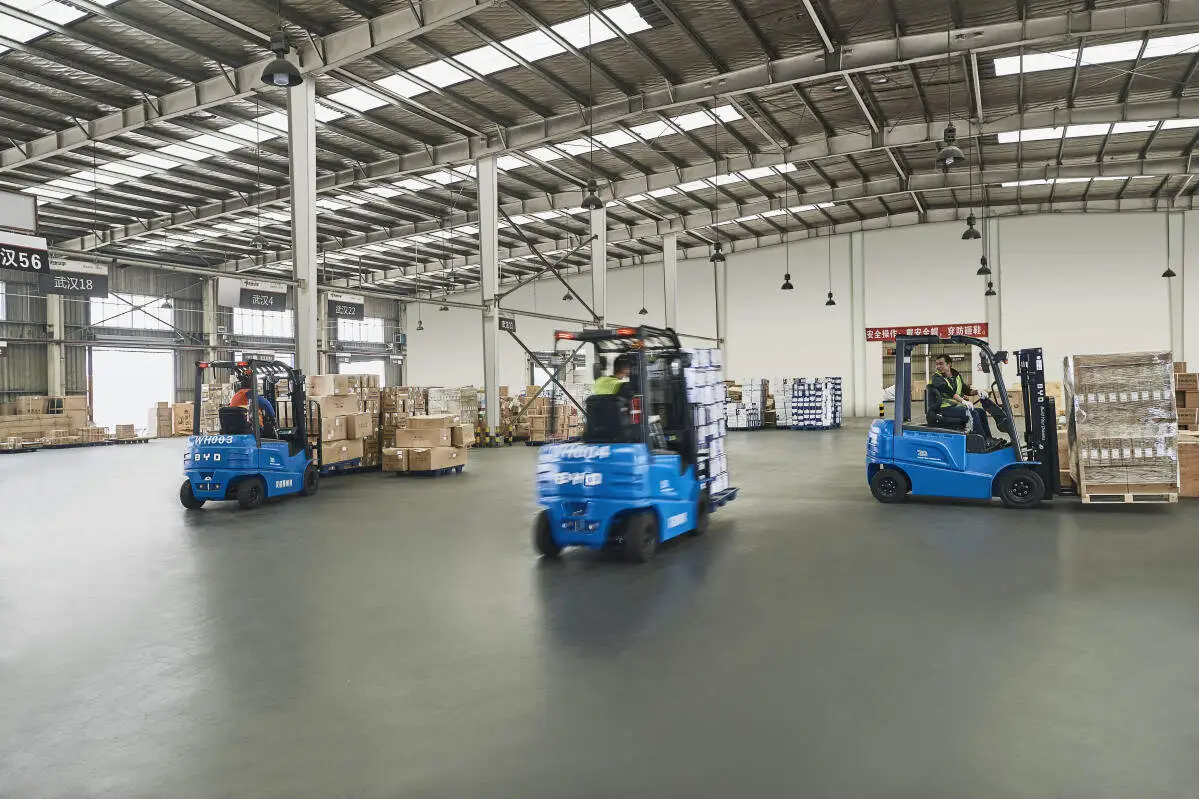
Industrial warehouse forklifts are workhorses of modern logistics, keeping supply chains moving by handling heavy loads efficiently. However, like any complex machinery, they can develop issues that disrupt operations. Fault codes serve as a critical diagnostic tool, translating system malfunctions into actionable insights that help operators and technicians resolve problems quickly.
Understanding forklift fault codes starts with recognizing that these alphanumeric combinations are generated by the vehicle’s onboard computer system during self-checks. Each code corresponds to a specific component or system anomaly, ranging from minor electrical glitches to major mechanical failures. Familiarizing yourself with common fault codes can significantly reduce unplanned downtime and prevent small issues from escalating into costly repairs.
One of the most prevalent categories of fault codes relates to the powertrain system. Codes starting with a "P" typically indicate issues with the engine, fuel delivery, or emission controls. For example, a code like P0171 might signal a lean fuel mixture, which could stem from a clogged air filter, faulty oxygen sensor, or fuel line leak. Initial troubleshooting steps here include inspecting the air filter for debris, checking fuel line connections for tightness, and verifying sensor functionality.
Hydraulic system fault codes, often marked with an "H", focus on issues affecting lift and tilt operations. A code such as H02 may point to low hydraulic fluid levels, which can cause slow lift speeds or incomplete tilt movements. Operators should first check the hydraulic fluid reservoir to ensure it meets the recommended level, then inspect for leaks in hoses or seals. If the fluid level is adequate but the problem persists, it may indicate a failing hydraulic pump that requires professional servicing.
Electrical system fault codes, denoted by an "E", cover battery, wiring, and component power issues. E06, for instance, might indicate an overcharged battery, which can shorten battery lifespan and damage electrical components. Troubleshooting involves checking the charger’s output voltage, inspecting battery terminals for corrosion, and ensuring the battery is compatible with the forklift’s power requirements. In cases of persistent electrical faults, it’s advisable to consult a certified technician to avoid further damage.
Safety system fault codes, labeled with an "S", are designed to protect operators and prevent accidents. S04 could indicate a malfunction in the seatbelt interlock system, which prevents the forklift from operating until the seatbelt is fastened. Resolving this may involve checking the seatbelt latch for damage or ensuring the interlock sensor is properly aligned.
When addressing any fault code, it’s important to follow structured troubleshooting practices. Start by recording the exact code and any accompanying symptoms, such as unusual noises or performance drops. Consult the forklift’s official service manual for detailed code definitions and recommended steps. For minor issues, operators can perform basic checks, but complex or persistent faults should be handled by trained professionals to ensure safety and proper repair.
Regular maintenance, including routine system checks and software updates, can also reduce the frequency of fault codes. By staying proactive and familiarizing yourself with these diagnostic tools, you can keep your industrial warehouse forklifts running smoothly, minimize operational disruptions, and extend the lifespan of your equipment.