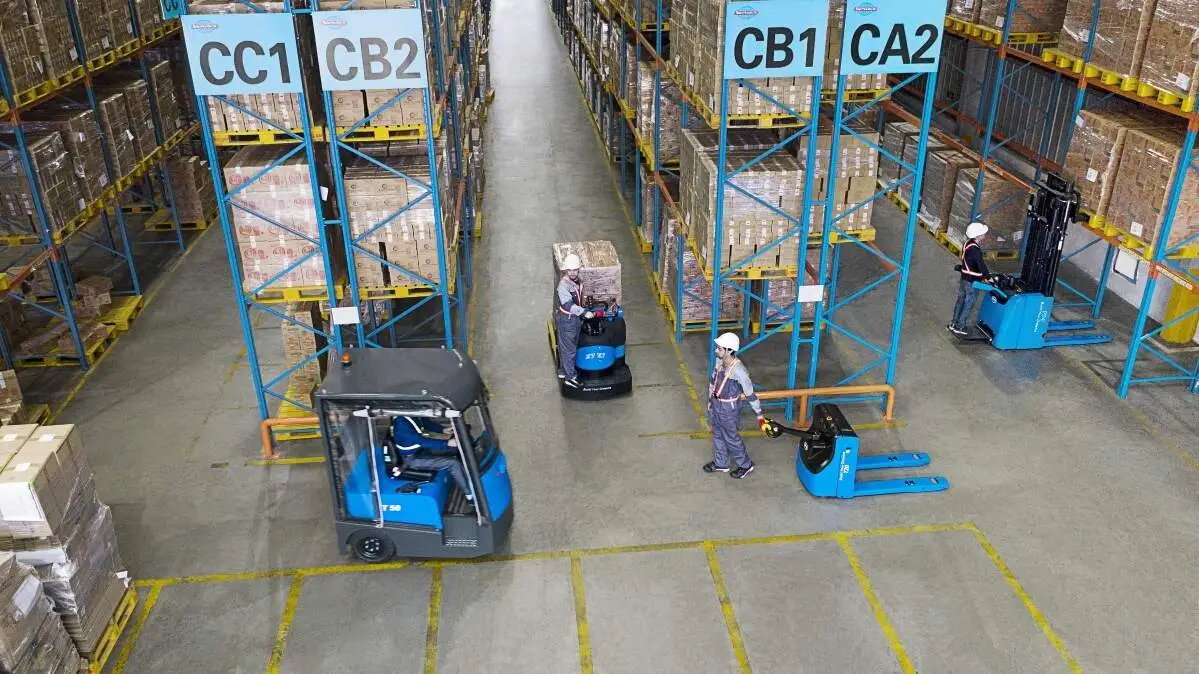
Selecting the right tire solutions for your electric forklift fleet is critical for optimizing performance, reducing downtime, and extending equipment lifespan. One of the most overlooked yet essential factors in this process is matching tire types to the specific ground conditions your forklifts operate in. As an electric forklift expert, I’ll walk you through key tips to ensure your fleet’s tires are perfectly suited to their working environments.
For indoor warehouse operations where surfaces are typically smooth concrete or epoxy-coated floors, prioritize tires that offer low rolling resistance and minimal floor damage. Soft, non-marking rubber tires are ideal here—they provide excellent grip without leaving scuffs, which is vital for maintaining clean, professional warehouse spaces. These tires also help reduce energy consumption, a significant benefit for electric forklifts as it extends battery life between charges. Avoid using rugged, deep-tread tires indoors, as they can cause unnecessary wear on both the tires and the flooring, leading to higher long-term costs.
Outdoor terrains present more challenges, from paved asphalt to uneven gravel and muddy surfaces. For asphalt or compacted gravel, medium-tread rubber tires strike a balance between grip and durability, handling regular outdoor use without excessive wear. If your fleet operates on rough, unpaved ground or muddy areas, heavy-duty, deep-tread tires are a must. These tires feature aggressive tread patterns that enhance traction, preventing slips and ensuring stable operation even in slippery conditions. Keep in mind that outdoor tires may wear faster on indoor surfaces, so it’s wise to assign specific forklifts to indoor or outdoor tasks whenever possible to optimize tire lifespan.
Many operations involve transition zones between indoor and outdoor spaces, such as loading docks or covered yard areas. In these cases, consider versatile tires that can handle both smooth and slightly uneven surfaces. All-terrain tires offer a middle ground, providing sufficient grip for outdoor use while minimizing floor damage indoors. Regular inspection of tires in these transition zones is crucial, as frequent shifts between surfaces can accelerate wear.
Beyond selecting the right tire type, regular maintenance plays a key role in preserving tire performance. Check tire pressure regularly—underinflated tires can reduce load capacity and increase rolling resistance, while overinflated tires may lead to uneven wear and reduced traction. Inspect tires for cuts, cracks, or embedded debris, and replace them promptly to avoid unexpected failures. Rotating tires periodically can also distribute wear evenly, extending their overall lifespan.
Choosing the right tire solutions tailored to your ground conditions doesn’t just improve performance—it also reduces operational costs by minimizing downtime and replacement expenses. At Jianshu New Energy, we specialize in BYD electric forklifts and can provide personalized guidance to help you select the ideal tire solutions for your fleet. For more information or to consult our experts, reach out to us at 17399989919@163.com.