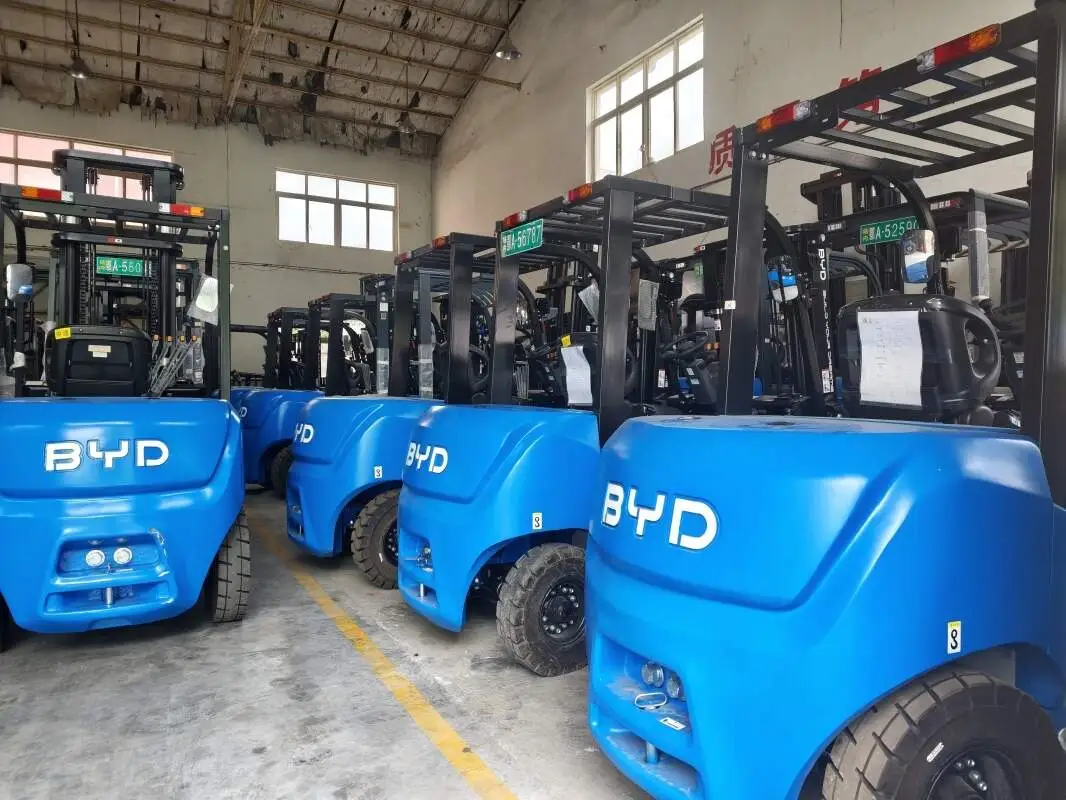
As electric forklifts become a staple in warehouses, distribution centers and manufacturing facilities, ensuring compliance with guardrail height and placement regulations is critical to safeguarding workers, equipment and inventory. Non-compliant guardrail setups can lead to collisions, forklift overturns and other preventable accidents, making adherence to industry safety standards a top priority for any operation using these vehicles.
Understanding the core safety standards for guardrail height is the first step toward compliance. In most regions, guardrails installed in areas where electric forklifts operate must meet minimum height requirements to effectively block unintended access and prevent falls or vehicle incursions. For general traffic lanes and work zones, a minimum height of 42 inches is typically recommended, while areas with elevated platforms or loading docks may require taller guardrails to account for increased fall risks. It’s important to note that local occupational safety regulations may specify slight variations, so operations should always verify requirements with relevant authorities.
Proper guardrail placement is equally vital to compliance and safety. Guardrails should be positioned to create clear boundaries between pedestrian walkways and forklift operating areas, eliminating the risk of accidental interactions. In narrow aisles, guardrails should be installed along both sides to guide forklift movement and prevent collisions with racking or storage systems. At intersections and blind corners, guardrails should be paired with visibility aids, such as convex mirrors, to enhance operator awareness. Additionally, guardrails must be placed at a safe distance from loading docks and elevated surfaces to ensure forklifts have sufficient space to maneuver without risking edge contact.
Regular compliance checks are essential to maintain a safe working environment. Operations should establish a routine inspection schedule to assess guardrail condition, height and placement. Inspections should include checking for signs of damage, such as bent posts or loose rails, and verifying that guardrails remain aligned with traffic patterns and operational changes. Training programs for forklift operators and warehouse staff should also cover guardrail compliance, ensuring all personnel understand the purpose of guardrails and how to interact with them safely.
For businesses seeking to optimize their electric forklift operations while maintaining full compliance, partnering with a trusted provider is key. Jianshu New Energy specializes in BYD electric forklifts, offering not only reliable equipment but also expert guidance on safety compliance, including guardrail height and placement best practices. Whether you’re setting up a new facility or updating existing safety measures, our team can provide tailored support to help you meet regulatory requirements. For more information, reach out to us at 17399989919@163.com.