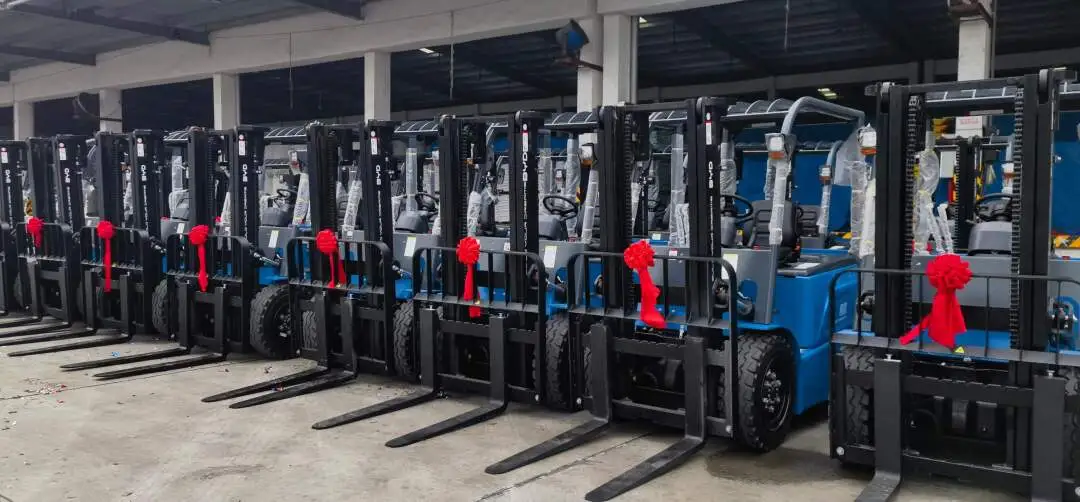
In modern warehouse and logistics operations, tablets have become invaluable tools for electric forklift operators, enabling real-time inventory tracking, route navigation, and digital data logging. Proper installation of a tablet holder in the operator cab is critical to maximizing these benefits while maintaining operational safety and efficiency.
Optimal Positioning for Visibility and Accessibility
The first step in successful tablet holder installation is selecting the right location within the cab. The holder should be positioned within the operator’s natural line of sight without obstructing views of the forklift’s controls, mirrors, or forward/side operational areas. Avoid mounting it near steering wheels, control levers, or emergency stop buttons, as this could interfere with quick, safe operation. A central, elevated position slightly to the side of the operator’s primary field of view balances visibility and unobstructed access to core forklift functions.
Secure Mounting to Withstand Vibrations
electric forklifts operate in dynamic environments with frequent starts, stops, and vibrations, so a secure mount is non-negotiable. Choose a mounting surface that is flat, sturdy, and free of debris—typically the cab’s dashboard or a dedicated bracket location. Use appropriate fasteners designed for the cab’s material to ensure a tight fit that won’t loosen over time. After installation, gently shake the tablet holder to verify stability; any wobble indicates a need for adjusted fasteners or a more suitable mounting spot.
Effective Cable Management
Tablets often require power or data cables for continuous functionality, and poor cable management poses safety risks. Route cables away from moving parts like control levers, pedals, and door hinges to prevent entanglement or wear. Use cable ties or small mounting clips to secure cables along the cab’s interior edges, keeping them tidy and out of the operator’s way. Ensure cables have enough slack to accommodate tablet adjustments without pulling loose, but avoid excess slack that could create tripping hazards or catch on equipment.
Compliance and Regular Safety Checks
Before finalizing installation, confirm that the tablet holder setup adheres to local occupational safety regulations and industry standards for forklift equipment. These standards typically prohibit any modifications that compromise the cab’s structural integrity or operator safety. After installation, conduct regular inspections—weekly or monthly, depending on usage frequency—to check for loose fasteners, damaged cables, or signs of wear on the holder. Address any issues promptly to maintain a safe operating environment.
Operator-Centric Adjustments
Every operator has unique preferences, so the tablet holder should be adjustable to accommodate different heights and viewing angles. Look for holders with tilt and swivel capabilities, allowing operators to position the tablet for optimal comfort during long shifts. Test the adjustments with the operator present to ensure they can easily access the tablet’s screen without straining or taking their focus away from the operation.
For businesses relying on BYD electric forklifts, Jianshu New Energy specializes in providing tailored solutions and guidance for accessory installations like tablet holders. Whether you need recommendations for compatible holders or assistance with installation best practices, you can reach out to us at 17399989919@163.com for professional support.