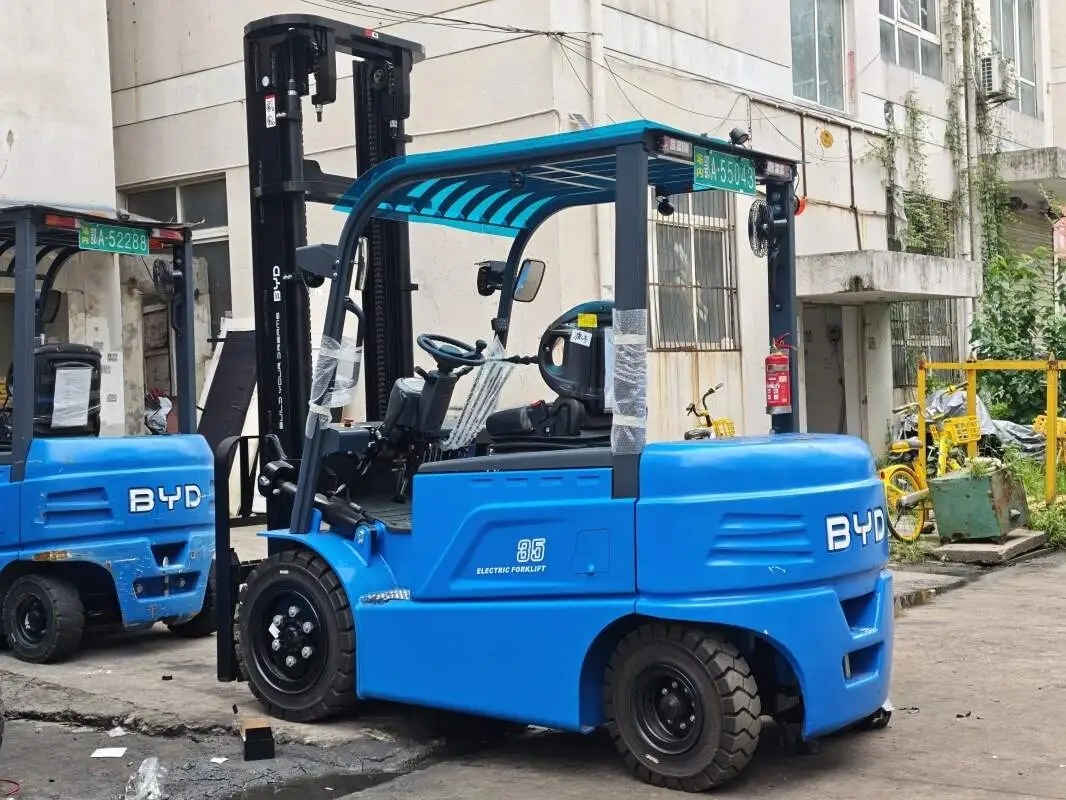
Before operating an industrial electric forklift, proper fork installation and alignment are critical to ensuring operational safety, load stability, and prolonged equipment lifespan. Overlooking these steps can lead to load imbalance, equipment damage, or even workplace accidents. As a professional in electric forklift operations, here is a detailed guide to help you complete these tasks correctly.
Pre-Installation Preparation
Start by ensuring the electric forklift is parked on a flat, stable surface. Turn off the power and engage the parking brake to prevent unintended movement. Wear appropriate personal protective equipment, including safety gloves and steel-toe boots, to protect yourself during the process.
Fork Installation Procedure
1. Align Forks with Carriage Hooks: Lift the forks slightly and align the mounting holes on the forks with the hooks on the forklift carriage. Ensure the forks are positioned symmetrically relative to the carriage centerline to avoid future load imbalance issues.
2. Secure Forks in Place: Slide the forks onto the carriage hooks until they lock into position. Verify that the locking pins or mechanisms are fully engaged to prevent the forks from slipping during operation. Do not force the forks into place; if they do not fit smoothly, check for debris or misalignment and adjust accordingly.
Fork Alignment Checks
After installing the forks, conduct thorough alignment checks to confirm they are properly positioned:
- Horizontal Alignment: Stand in front of the forklift and visually inspect that both forks are at the same height. Use a level tool if needed to ensure they are perfectly horizontal. Uneven forks can cause loads to shift or tilt during lifting.
- Parallel Alignment: Ensure the forks are parallel to each other along their entire length. Measure the distance between the forks at both the tip and base; the difference should be minimal (within recommended specifications for your electric forklift model). Non-parallel forks can damage loads and increase wear on the forklift’s lifting mechanism.
- Tip Alignment: Check that the fork tips are aligned and do not have excessive wear or bending. Worn or bent tips can compromise load stability and should be replaced before operation.
Post-Alignment Testing
Once the installation and alignment checks are complete, perform a brief test operation. Lower the forks to the ground, then lift them slowly to a small height. Try moving the forklift forward and backward slightly to ensure the forks remain stable. If you notice any unusual noises or movement, stop immediately and recheck the installation and alignment.
For owners of BYD electric forklifts, Jianshu New Energy specializes in providing professional guidance and support for all aspects of electric forklift maintenance and operation. If you encounter any issues during fork installation or alignment, feel free to contact us at 17399989919@163.com for expert assistance.