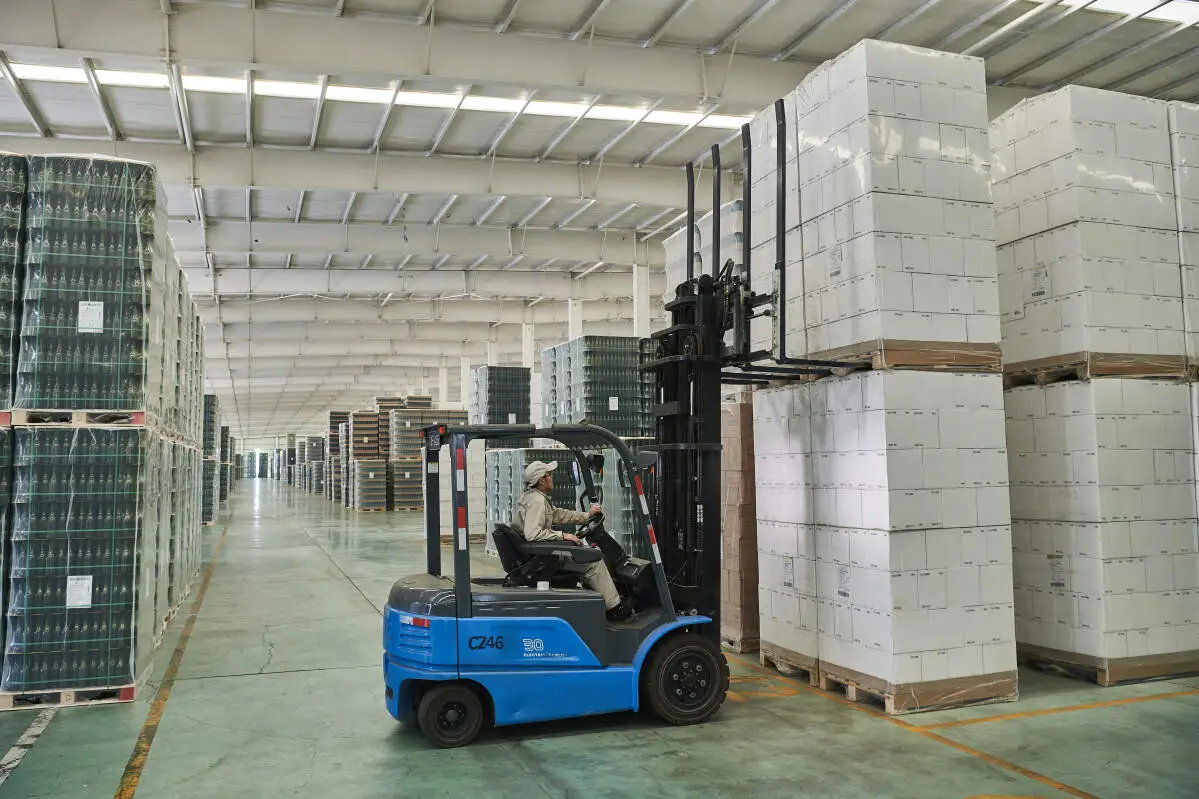
As enterprises scale their operations to meet growing market demands, expanding material handling capacity becomes a critical step to sustain efficiency and productivity. electric forklifts have emerged as a reliable, sustainable alternative to traditional fuel-powered models, making them a popular choice for businesses looking to upgrade their logistics capabilities. For enterprises considering this transition, here is practical, actionable advice to ensure a smooth and successful expansion.
Start with a comprehensive operational needs assessment. Before investing in electric forklifts, take time to analyze your current material handling workflow: map daily load volumes, operating hours, warehouse aisle widths, and typical load weights. This evaluation will help you determine the right type and quantity of electric forklifts—whether you need counterbalance models for heavy-duty outdoor tasks or narrow-aisle variants for tight indoor storage spaces. Understanding your operational patterns also ensures you select forklifts with appropriate battery life to avoid unnecessary downtime during peak working hours.
Next, plan your charging infrastructure strategically. Unlike gasoline-powered forklifts, electric models depend on consistent access to reliable charging stations. Assess your facility’s layout to identify optimal charger locations, prioritizing spots near work zones to minimize travel time for operators and ensure efficient top-ups during breaks. Depending on your fleet size, consider a mix of fast chargers for quick energy boosts and slow chargers for overnight charging sessions. It’s also essential to evaluate your facility’s electrical capacity to prevent overload issues when multiple chargers are in use simultaneously.
Prioritize operator training to ensure safe and efficient use. Electric forklifts have distinct operational features compared to fuel-powered alternatives, such as battery management controls and quieter operation that may affect situational awareness. Provide comprehensive training sessions that cover not only basic forklift operation but also battery maintenance fundamentals, safe charging practices, and proper handling of electrical components. Well-trained operators reduce the risk of accidents, equipment damage, and operational disruptions, helping you maximize the return on your investment.
Implement a proactive maintenance schedule to extend forklift lifespan. Regular, routine maintenance is key to keeping electric forklifts in optimal condition. This includes weekly checks of battery health, monthly inspections of tires and brakes, and periodic servicing of electrical components by qualified technicians. For reliable support, consider partnering with a specialized provider like Jianshu New Energy, which focuses on BYD electric forklifts. Our team can offer tailored maintenance plans and genuine parts to keep your fleet running smoothly. For more details on our solutions, you can reach out to us at 17399989919@163.com.
Finally, evaluate the long-term cost and sustainability benefits. While electric forklifts may have a higher upfront cost, they offer significant savings over time through lower energy costs, reduced maintenance requirements, and compliance with environmental regulations. Calculate the total cost of ownership (TCO) to compare the long-term value against traditional models, including factors like battery replacement costs and energy efficiency gains. This analysis will help you make an informed decision that aligns with your enterprise’s budget and sustainability goals.
By following these practical steps, enterprises can expand their material handling capacity with electric forklifts effectively, minimizing operational disruptions and unlocking long-term efficiency gains. Whether you’re a small business or a large-scale enterprise, taking a strategic approach to this transition ensures you leverage the full potential of electric forklift technology to support your growth.