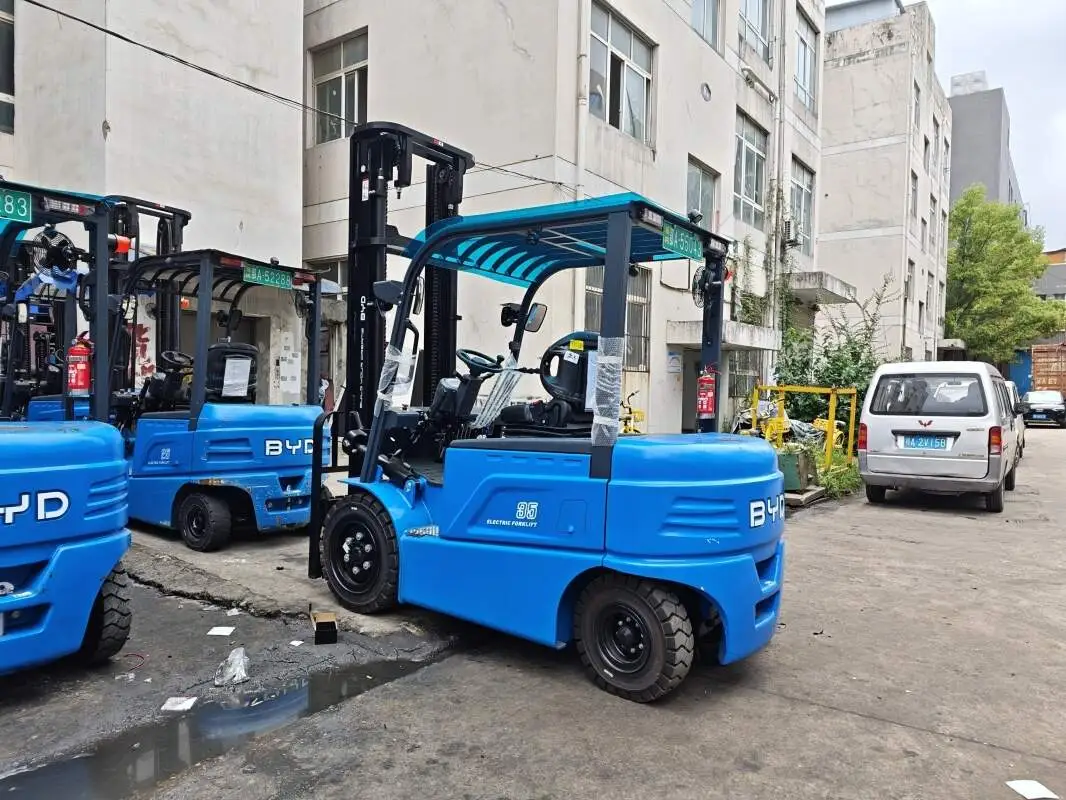
In modern warehouse operations, optimizing storage space while ensuring safe and efficient material handling is a core priority. A critical yet often underestimated element is the proper alignment between warehouse rack height and electric forklift lifting height. A mismatched setup can lead to reduced operational efficiency, avoidable safety risks, and unnecessary costs. As an electric forklift expert, I’m here to share essential guidance to help you achieve optimal compatibility.
First, it’s vital to account for the full height of your stored goods. Beyond the product itself, include packaging materials and any stacking aids in your measurements. This total load height will determine the minimum clearance needed between the top of the goods and overhead structures or upper rack levels. Next, factor in non-negotiable safety gaps. A clearance of 15 to 30 centimeters is recommended between the forklift’s forks and rack beams during lifting, as well as between the top of the load and ceiling or upper racks. This buffer prevents accidental collisions and ensures safe maneuvering in tight spaces.
Additionally, don’t overlook the relationship between lifting height and load capacity. Most electric forklifts experience a reduction in load-bearing ability as lifting height increases. Before making any matching decisions, verify your forklift’s load capacity specifications at different height ranges to ensure it can safely handle your typical loads at the required rack levels.
To achieve a precise match, follow these step-by-step actions: Start by conducting a detailed audit of your warehouse racks. Measure the exact height from the floor to the bottom of each upper rack beam. Next, confirm your electric forklift’s maximum lifting height—the distance from the floor to the top of the forks when fully extended. Subtract the required safety clearance and total load height from the forklift’s maximum lifting height to ensure it can reach the target rack level comfortably. For warehouses handling varied load heights, prioritize the tallest common load in your calculations to cover all operational scenarios. For new warehouse setups, consult with material handling experts to design rack heights that align with your forklift’s capabilities from the outset.
Regular maintenance and operator training are also key to sustaining optimal compatibility. Inspect racks regularly for signs of damage, such as bent beams, and ensure your electric forklifts undergo routine servicing to keep lifting mechanisms in top condition. Train operators to understand height compatibility principles and follow safe lifting procedures to minimize risks.
If you need expert assistance in selecting the right electric forklift for your warehouse rack configuration or optimizing your storage setup, Jianshu New Energy specializes in electric forklifts and can provide tailored recommendations to meet your unique needs. Feel free to reach out to us via email at 17399989919@163.com for personalized support.