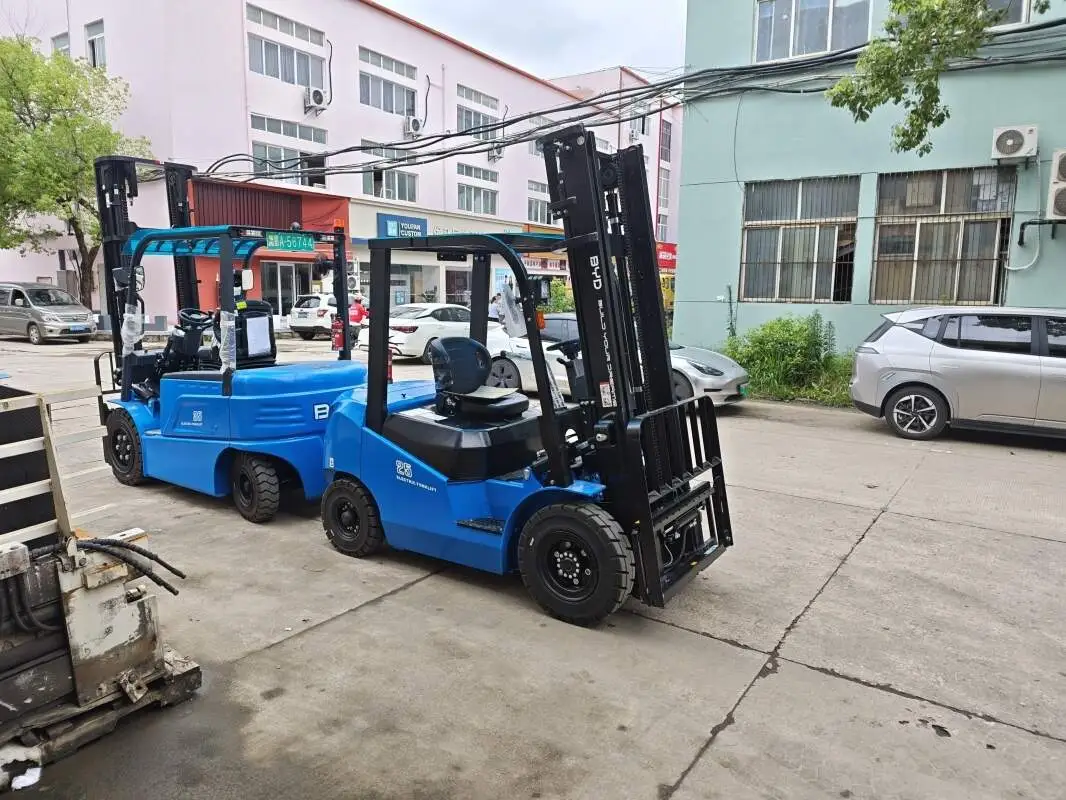
The hydraulic system is a core component of electric forklifts, underpinning critical operations such as load lifting, mast tilting, and fork positioning. Proper inspection and replacement of hydraulic oil are vital to sustaining smooth performance, extending component longevity, and avoiding unplanned downtime. As an electric forklift expert, here are key guidelines to follow for this essential maintenance task.
Hydraulic Oil Inspection Key Points
First, establish a regular inspection schedule based on your forklift’s usage intensity. For forklifts operating daily, conduct a visual oil level check every week; a comprehensive quality assessment should be completed every 3 months or after 500 operating hours, whichever occurs first.
When performing inspections, park the forklift on a flat, stable surface, turn off the power, and allow the hydraulic system to cool completely. Use the dipstick or sight glass to verify the oil level, ensuring it stays between the marked minimum and maximum thresholds. Examine the oil’s appearance: discoloration (dark brown or black), visible debris, or a milky emulsion indicates contamination that requires immediate attention. Additionally, run the forklift through basic hydraulic operations while listening for unusual grinding or squealing noises, which may signal inadequate lubrication or internal system issues.
Hydraulic Oil Replacement Guidelines
Before starting the replacement process, gather essential tools: a drain pan, manufacturer-recommended hydraulic oil (matching specified viscosity and quality standards), a new hydraulic filter, and personal protective equipment like gloves and safety goggles.
Begin by draining the old oil: locate the drain plug at the bottom of the hydraulic reservoir, position the drain pan underneath, and remove the plug to let all old oil drain fully. While draining, inspect the oil for excessive sludge or metal particles—these signs suggest internal component wear that may need further evaluation. Next, remove the old hydraulic filter, clean the filter housing to eliminate residual debris, and install the new filter according to manufacturer instructions to ensure a tight, leak-free fit.
Refill the reservoir with new hydraulic oil, checking the level periodically to avoid overfilling. Start the forklift and cycle through multiple lifting and tilting operations to purge air from the system. Recheck the oil level and top up if necessary to keep it within the recommended range. After replacement, monitor the forklift over the next few operating hours for leaks around the reservoir, filter, or connections, and confirm all hydraulic functions operate smoothly without delays or unusual sounds.
Proper hydraulic oil maintenance is key to maximizing your electric forklift’s reliability. If you need professional assistance with maintaining your BYD electric forklift, Jianshu New Energy is your trusted specialist. Feel free to reach out to us at 17399989919@163.com for expert advice and tailored maintenance services.