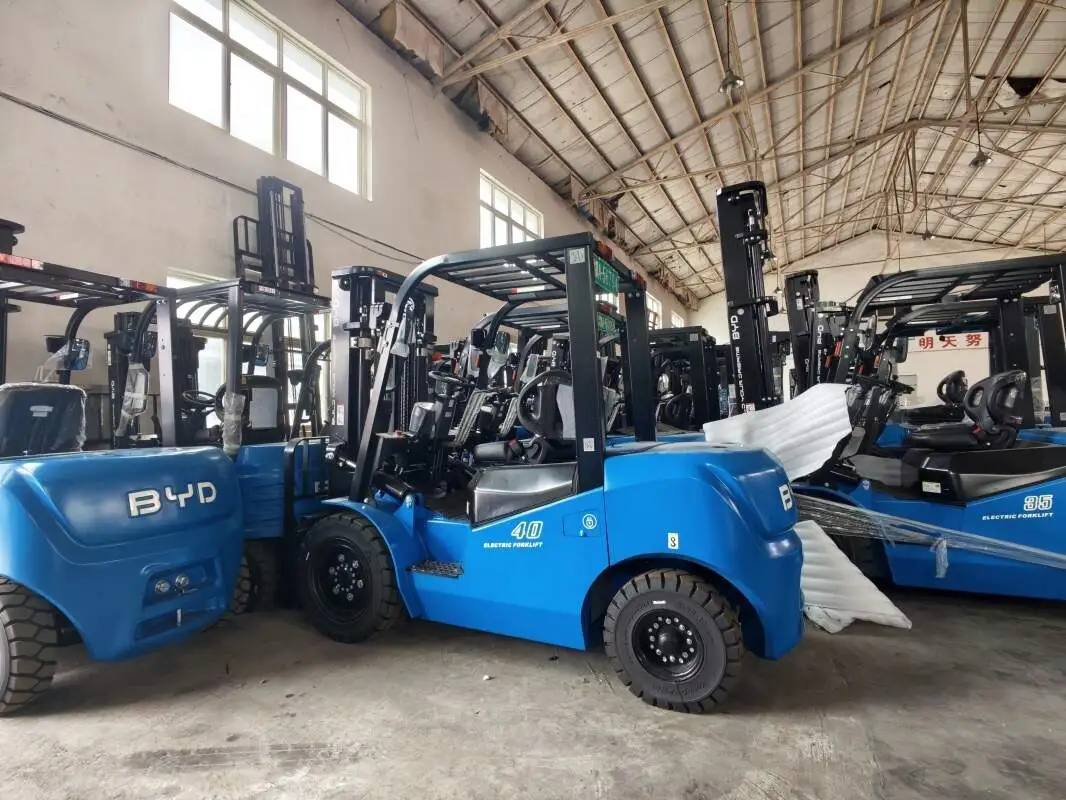
When operating forklifts in heavy-duty scenarios such as industrial warehouses, construction sites, and port terminals, the right tire selection directly impacts operational safety, efficiency, and equipment longevity. Among the various tire sizes, 7x15 forklift tires are widely used for their balanced performance in handling heavy loads and navigating diverse terrains. This guide outlines key considerations to help you choose the most suitable 7x15 forklift tire for your heavy-duty work needs.
The first factor to evaluate is the tread pattern, as it determines the tire’s grip and stability on different surfaces. For rough, uneven terrains like construction sites, a deep, aggressive tread pattern with wide grooves is ideal. This design effectively channels away mud, debris, and loose materials, maintaining traction even in slippery conditions. In contrast, for smooth, hard surfaces such as warehouse concrete floors, a shallower, block-style tread pattern offers better stability and reduces rolling resistance, optimizing energy efficiency during continuous heavy lifting and transport tasks.
Next, the rubber compound plays a critical role in the tire’s durability and resistance to wear. Heavy-duty operations expose tires to frequent friction, sharp debris, and heavy load pressure. Opt for tires made from a blend of natural and synthetic rubber compounds. Natural rubber provides excellent elasticity and shock absorption, while synthetic rubber enhances resistance to tearing, abrasion, and chemical damage. This combination ensures the tire can withstand the harsh conditions of heavy-duty work without premature degradation.
Load capacity is another non-negotiable consideration. 7x15 forklift tires come with different load ratings, which indicate the maximum weight the tire can safely support under specified conditions. It is essential to match the tire’s load rating with your forklift’s maximum carrying capacity. Overloading the tire not only increases the risk of sudden failure but also accelerates wear, leading to costly replacements and potential safety hazards. Always refer to the forklift’s manufacturer specifications to ensure compatibility.
Additionally, prioritize tires with reinforced sidewalls and enhanced wear resistance features. Heavy-duty work often involves driving over curbs, debris, and uneven surfaces, which can cause sidewall damage or punctures. Reinforced sidewalls with extra rubber layers provide added protection against impacts and cuts. Tires with advanced wear-resistant technology, such as specialized tread compounds or hardened rubber layers, can extend the tire’s service life, reducing downtime and maintenance costs in long-term heavy operations.
Finally, consider the ease of maintenance when selecting a 7x15 forklift tire. Regular inspections of tread depth, tire pressure, and sidewall conditions are essential to prevent unexpected failures. Choose tires that are easy to inspect and repair, as this can save time and resources in busy operational environments. Proper maintenance not only prolongs the tire’s lifespan but also ensures consistent performance throughout its service life.