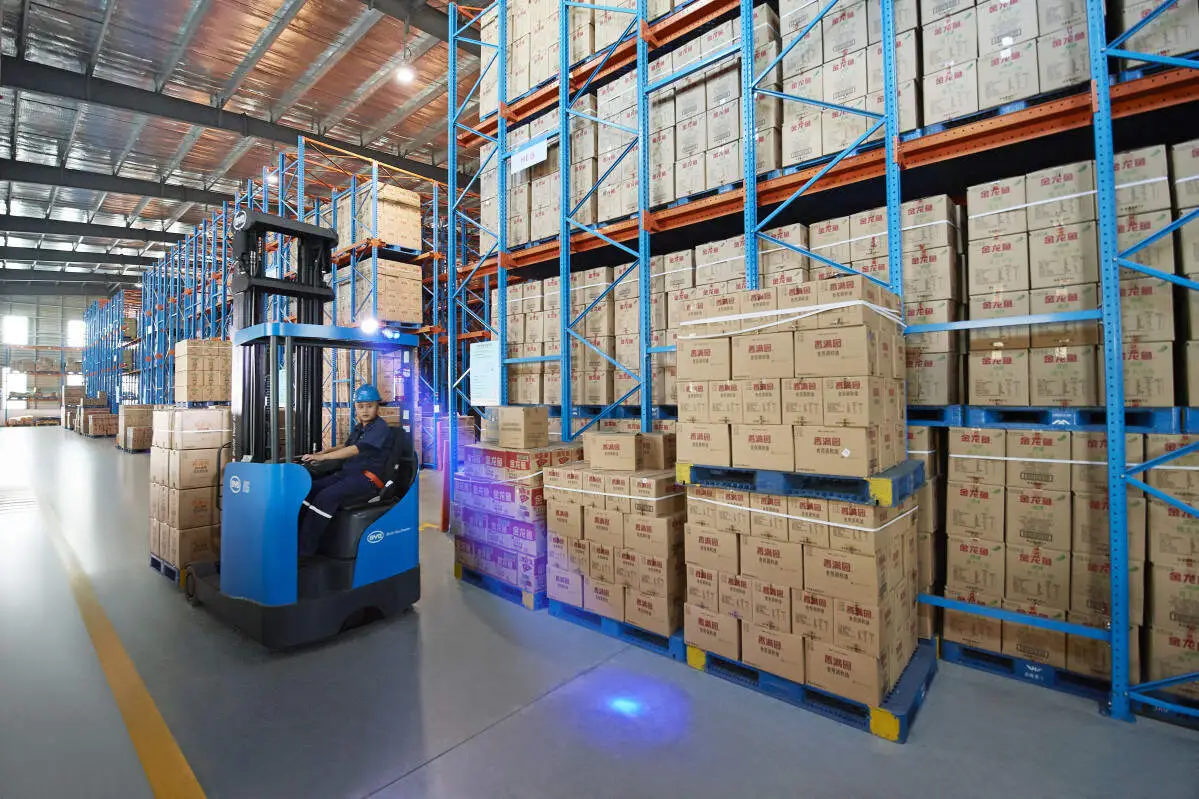
Pallet dog forklifts are specialized material handling vehicles designed to streamline the movement of palletized loads across various work environments. Unlike standard forklifts, their design incorporates unique features that enhance load stability and operational efficiency, making them a practical choice for industries relying on organized pallet transport.
One of the core functions of a pallet dog forklift is secure pallet engagement. Equipped with specialized locking mechanisms, often referred to as "pallet dogs," these forklifts can firmly anchor to the openings of wooden or plastic pallets. This prevents loads from shifting during lifting or transport, reducing the risk of product damage and workplace accidents. Whether handling lightweight boxes or heavy industrial components, this secure engagement ensures consistent load integrity.
Another key function is efficient load lifting and horizontal transport. Pallet dog forklifts come with varying load capacities to accommodate different pallet weights, ranging from small retail shipments to large industrial crates. Their compact design allows them to maneuver through narrow aisles and tight spaces, which is crucial in facilities where floor space is limited. Operators can easily navigate between storage racks, workstations, and loading docks, minimizing downtime and optimizing workflow.
Versatile height adjustment is also a critical function. These forklifts can raise palletized loads to different heights, from ground level to elevated storage shelves. This flexibility supports both low-level picking tasks and high-rise storage operations, eliminating the need for additional equipment in many cases. The smooth height adjustment mechanism ensures precise positioning, making it easier to place loads accurately on shelves or into delivery vehicles.
In warehouse operations, pallet dog forklifts play a vital role in daily inventory management. They are used to move incoming pallets from loading docks to storage areas, as well as retrieve pallets for order fulfillment. Their ability to handle tight spaces means warehouses can maximize storage density without sacrificing operational efficiency, helping to meet regular order processing goals.
Manufacturing facilities also rely heavily on pallet dog forklifts. These vehicles transport raw materials from storage areas to production lines, and move finished products to packaging or shipping zones. By streamlining material flow between different stages of production, they help maintain consistent production schedules and reduce bottlenecks on the factory floor.
Distribution centers benefit from the speed and reliability of pallet dog forklifts during shipping periods. Operators use them to load and unload pallets from trucks, sort shipments by destination, and transfer goods to outbound delivery vehicles. Their secure load engagement ensures that fragile or valuable items are transported safely, reducing the likelihood of losses during transit.
Retail backrooms and stock rooms are another common application scenario. Due to their compact size, pallet dog forklifts can navigate the narrow spaces typical of retail storage areas. They are used to restock shelves with palletized merchandise, ensuring that store inventory remains replenished without disrupting customer-facing operations.
Overall, pallet dog forklifts are a versatile and essential tool for modern material handling. Their specialized functions address the unique challenges of pallet transport, while their adaptability across multiple industries makes them a valuable investment for businesses looking to enhance operational efficiency and workplace safety.