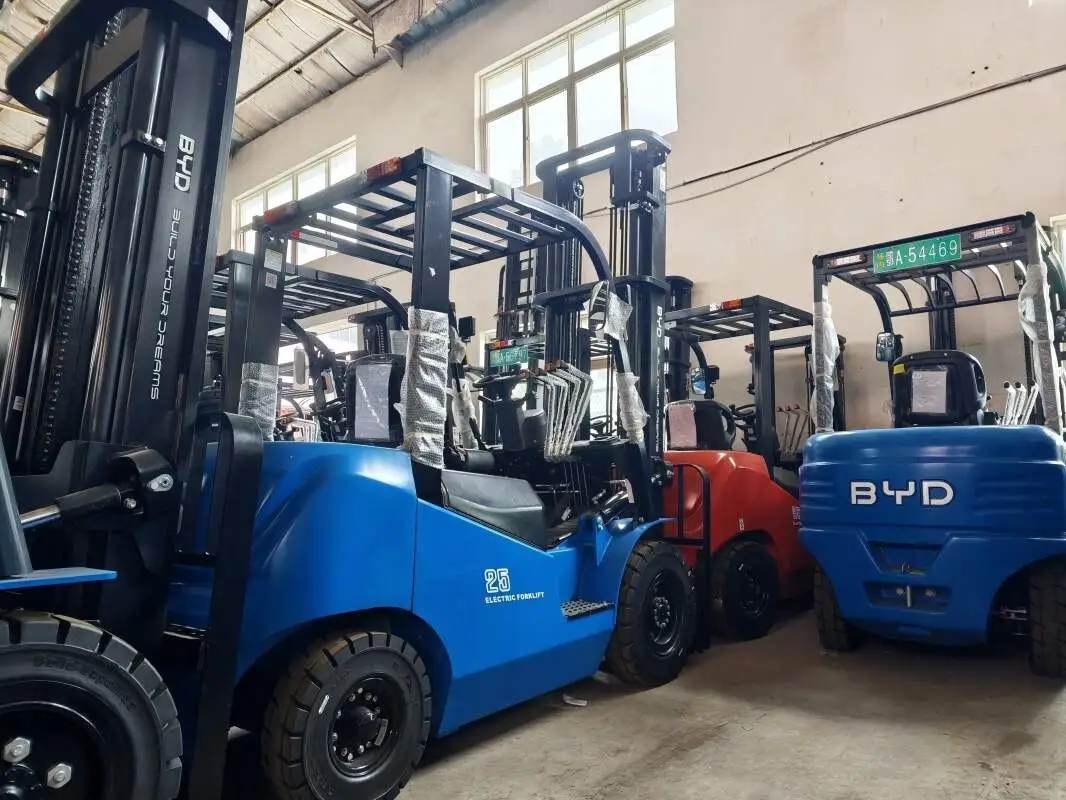
In modern warehouse operations, electric forklifts are the backbone of material handling, driving productivity by moving goods across vast storage spaces. However, managing a fleet of these vehicles manually often leads to inefficiencies, unaddressed safety risks, and unexpected downtime—challenges that can disrupt supply chain timelines and increase operational costs. This is where forklift monitoring systems emerge as a critical solution, offering data-driven insights to optimize fleet performance, enhance safety, and streamline warehouse management.
At its core, a forklift monitoring system is a technology-driven platform that collects real-time data from electric forklifts through integrated sensors and telematics devices. These devices track a range of key metrics, including vehicle location, travel speed, load weight, battery life, and operator behavior. Unlike traditional manual logs, this continuous data capture provides warehouse managers with a holistic view of their fleet’s activities, enabling informed decision-making rather than reactive problem-solving.
One of the primary benefits of such systems is improved safety compliance. Warehouses are high-risk environments, with forklift-related accidents accounting for a significant portion of workplace incidents. Monitoring systems address this by setting customizable safety parameters—such as speed limits in pedestrian zones or load capacity thresholds—and triggering instant alerts when violations occur. For example, if a forklift exceeds the designated speed or carries an overloaded pallet, the system sends a notification to both the operator and management, allowing immediate corrective action. Additionally, the system logs all safety-related events, creating an audit trail that helps identify recurring issues and train operators more effectively.
Beyond safety, forklift monitoring systems boost operational efficiency. By analyzing data on vehicle usage patterns, managers can optimize fleet allocation, ensuring forklifts are deployed to high-demand areas and reducing unnecessary idle time. Battery performance tracking is another key feature; the system monitors charging cycles and battery health, predicting when a forklift needs recharging or maintenance to prevent unexpected downtime. This proactive approach extends the lifespan of electric forklifts, reduces repair costs, and ensures the fleet operates at peak capacity throughout the workday.
In conclusion, forklift monitoring systems are no longer a luxury but a necessity for modern warehouse fleet management. By combining real-time tracking, safety enforcement, and efficiency optimization, these systems transform how warehouses operate, turning data into actionable strategies that reduce risks, cut costs, and improve overall productivity. As warehouses continue to evolve to meet growing supply chain demands, integrating a robust forklift monitoring system will be a key step in building a resilient, efficient, and safe material handling operation.