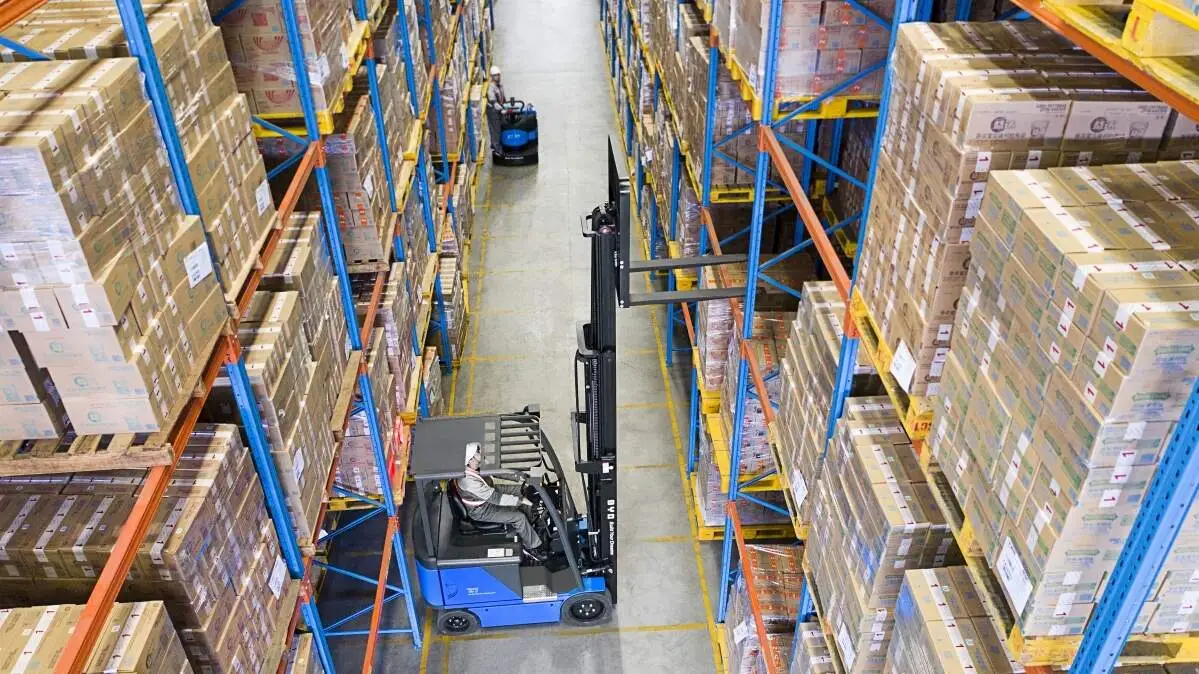
Setting the correct fork distance between electric forklift arms is a critical yet often overlooked aspect of safe and efficient material handling. An improper spacing can lead to load instability, increased accident risks, and potential damage to both the forklift and cargo, making this a key consideration for every operator.
Understanding the Importance of Proper Fork Distance
Proper fork spacing directly impacts load stability. When forks are too narrow, heavy or unevenly distributed loads may shift or tip during movement, posing safety hazards. Overly wide forks, on the other hand, can strain the forklift’s mast and reduce maneuverability in tight spaces. Incorrect spacing also accelerates wear on fork components, raising long-term maintenance costs, and may violate workplace safety regulations, increasing liability risks.
Key Principles for Determining Suitable Fork Distance
1. Match to Load Dimensions
For palletized goods, forks should extend at least two-thirds of the way under the pallet’s length to ensure even weight distribution. For non-palletized or irregular loads, measure the cargo’s widest point and set forks slightly narrower than this width to secure the load without restricting movement.
2. Account for Load Weight and Distribution
Heavier loads require wider spacing to distribute weight evenly, reducing stress on individual forks and the mast. For unevenly weighted loads, adjust forks closer to the load’s center of gravity to maintain balance. Always cross-check the load’s weight against the forklift’s capacity to avoid overloading, which amplifies risks from improper spacing.
3. Follow Workplace Safety Guidelines
Most workplaces have protocols based on industry standards and local regulations for fork spacing. Narrow aisles may demand tighter spacing for maneuverability, while open areas with large loads can accommodate wider settings. Operators must familiarize themselves with these rules before making adjustments.
Step-by-Step Adjustment Process
1. Prepare the Forklift
Park on a flat, stable surface, engage the parking brake, and lower forks to the ground. Turn off the engine or set it to neutral to prevent accidental movement.
2. Measure and Adjust
Use a tape measure to determine the required spacing. Most electric forklifts have a hydraulic adjustment lever or button to widen or narrow forks. Adjust slowly, ensuring both forks move symmetrically to maintain parallel alignment.
3. Verify Stability
Position the forklift near the load (without lifting) to confirm forks fit properly. Check for parallel alignment and even spacing to avoid load tilting during lifting. Make small tweaks if misalignment occurs.
Regular Maintenance and Inspection
Inspect the fork adjustment mechanism regularly for hydraulic leaks, loose bolts, or wear. Lubricate moving parts per manufacturer recommendations for smooth operation. Conduct pre-operation checks to ensure forks are set correctly for daily tasks, adjusting as needed for different loads.
By following these guidelines, operators can set optimal fork distance to enhance load stability, reduce accidents, and boost efficiency. Remember, proper spacing is an ongoing adjustment tailored to each task’s needs, prioritizing safety and best practices for a secure material handling environment.