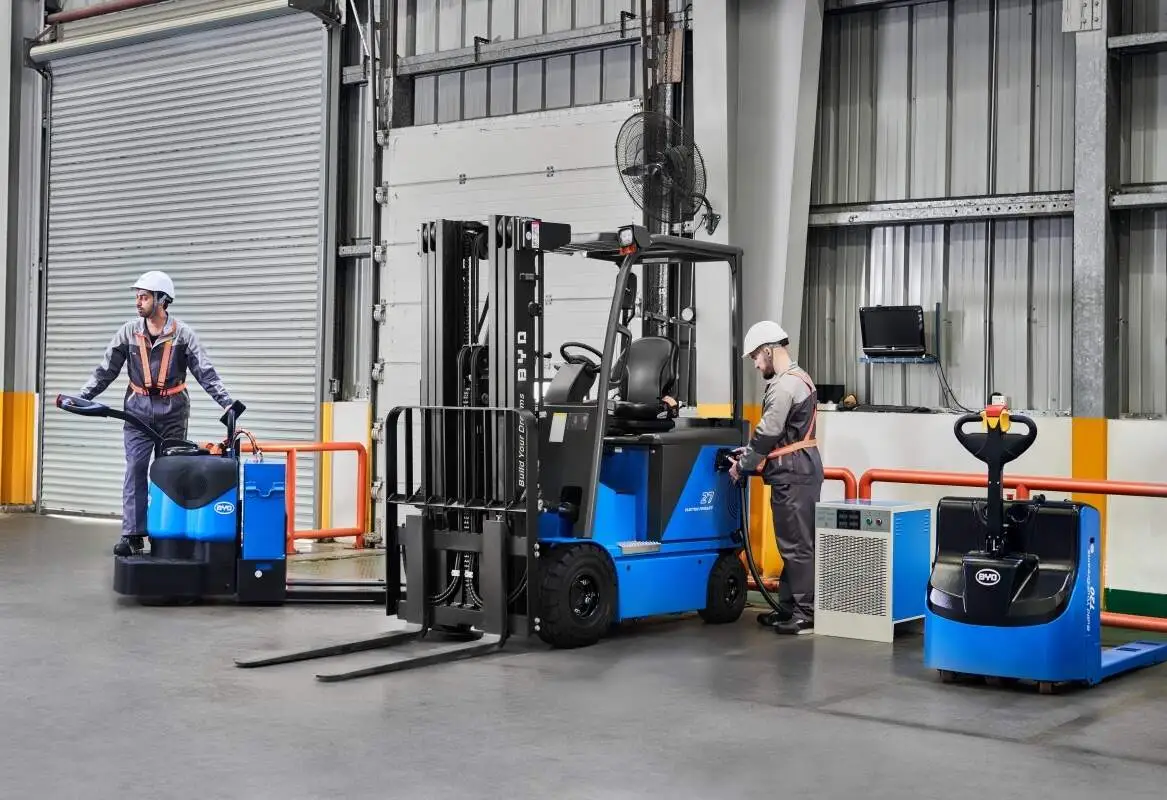
In busy industrial sites and warehouses, forklifts serve as workhorses for material handling, but their operation introduces inherent collision risks that threaten employee safety, damage equipment, and disrupt workflow. Addressing these hazards requires proactive, targeted solutions, and deploying forklift impact alarms has emerged as a reliable strategy to mitigate collision risks and foster a safer work environment.
Proper installation is the foundational step for effective impact alarm deployment. Alarms should be strategically positioned on forklifts to detect impacts of varying magnitudes—from minor near-miss bumps to significant collisions that demand immediate action. Common installation points include the front mast, side panels, and rear bumper, ensuring comprehensive coverage of high-risk collision zones. Site managers can calibrate alarm thresholds based on operational needs, adjusting sensitivity for narrow aisles, high-traffic loading docks, or areas with dense pedestrian activity to minimize false alerts while capturing critical incidents.
Integrating impact alarms with a broader safety management system amplifies their value. When an alarm triggers, real-time notifications are sent to on-site supervisors, enabling immediate response to assess incidents and address potential hazards. Beyond immediate action, the data collected from alarm triggers provides insights into recurring risk patterns, such as frequent collisions during peak shifts or at specific warehouse junctions. This data-driven approach allows teams to implement targeted improvements, such as reconfiguring traffic flow, adding additional safety signage, or scheduling refresher training for operators in high-risk zones.
Employee training is a critical component of successful alarm deployment. Forklift operators must understand how the alarm system functions, including interpreting different alert signals and following response protocols for triggered alarms. Training should also cover safe operating practices to reduce collision likelihood, such as maintaining appropriate speeds in pedestrian areas and conducting pre-shift equipment checks. Non-operating staff, including warehouse workers and maintenance teams, should also be educated to recognize alarm signals and maintain a safe distance from operating forklifts, fostering a culture of shared safety awareness.
Regular maintenance and testing ensure ongoing alarm reliability. Over time, sensors may lose sensitivity due to wear and tear, so scheduled inspections should include calibrating sensors, testing alert volume, and verifying connectivity to monitoring systems. Simulating collision scenarios during routine checks helps validate alarm performance, allowing for adjustments before real incidents occur. By incorporating alarm maintenance into regular site safety routines, organizations can ensure the system remains a consistent, effective tool for risk reduction.
Deploying forklift impact alarms is not a standalone solution but part of a holistic safety strategy. When combined with comprehensive training, data analysis, and regular maintenance, these alarms significantly reduce collision risks, protect personnel and assets, and improve overall operational efficiency. As industrial sites prioritize safety as a core operational goal, impact alarm deployment will continue to be a key initiative in building secure, productive work environments.