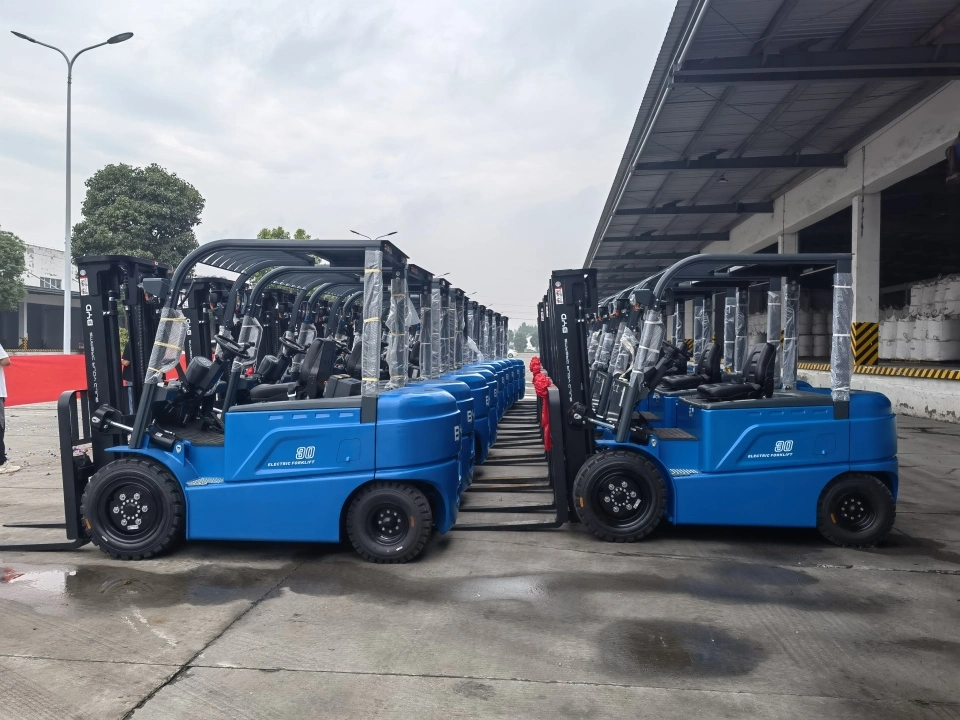
forklift accidents in the workplace can lead to serious injuries, property damage, and regulatory non-compliance. The Occupational Safety and Health Administration (OSHA) requires employers to report certain forklift incidents promptly, and completing the accident report form accurately is a critical step in this process. This guide walks you through the key elements of filling out OSHA forklift accident report forms to ensure compliance and effective incident response.
Gather Basic Incident Information
Start by collecting fundamental details about the accident. This includes the exact date and time of the incident, the specific location within the workplace such as a warehouse aisle, loading dock, or outdoor lot, and the names and contact information of all individuals involved—operators, witnesses, and any injured parties. Be sure to note the type of forklift involved, like electric, gas-powered, or diesel, as this context aids in analyzing the root cause of the accident.
Provide a Detailed Incident Narrative
In this section, describe the sequence of events leading up to, during, and immediately after the accident using clear, objective language. Avoid assumptions or blame, focusing on factual details. Include what the forklift operator was doing at the time, environmental factors like wet floors, poor lighting, or obstructed visibility, and actions taken by witnesses or emergency responders. For example, instead of stating “the operator was careless,” write “the forklift traveled at an estimated 8 mph in a designated 5 mph zone before colliding with a stacked pallet.”
Document Injuries and Property Damage
Accurately record all injuries sustained, regardless of severity. Note the type of injury such as cuts, fractures, or sprains, the affected body part, and the medical treatment received. For property damage, list all damaged items including the forklift, pallets, inventory, or structural workplace elements. Include estimated repair or replacement costs to quantify the incident’s impact.
Analyze Root Causes and Corrective Actions
Identifying the root cause is essential to preventing future incidents. Common causes include operator error, insufficient training, equipment malfunction, or unsafe workplace conditions. Once determined, outline specific corrective actions—such as additional operator training, regular equipment maintenance, improved lighting, or adjusted traffic flow in high-risk areas. Assign responsibility for each action and set a clear completion timeline.
Submit and Retain Documentation
Submit the completed report to the appropriate OSHA office within required timeframes: usually 8 hours for fatal incidents and 24 hours for serious injuries. Keep a copy of the report in workplace records for at least three years, as OSHA may request documentation during inspections. Follow up on corrective actions to ensure implementation and document all changes made to prevent similar accidents.