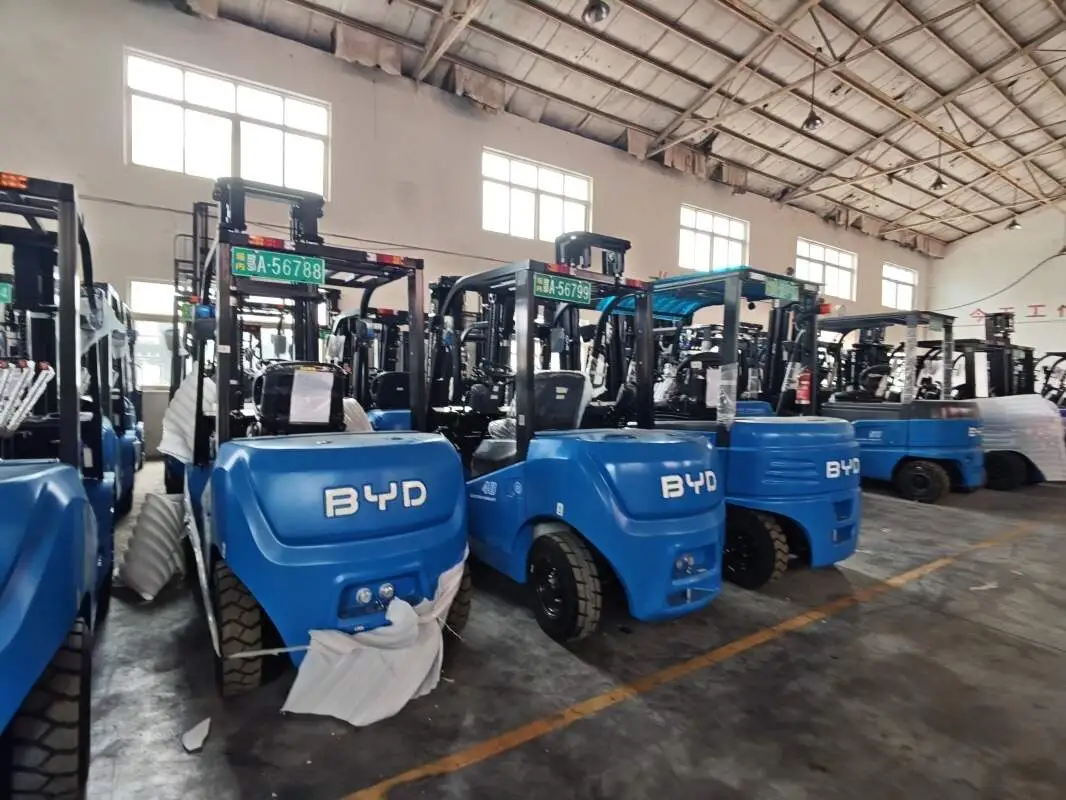
Warehouse forklifts are indispensable tools for streamlining material handling tasks, but their operation carries inherent risks that demand strict adherence to safety protocols. For every forklift operator, mastering core safety knowledge is not just a job requirement—it’s a critical responsibility to protect themselves, coworkers, and valuable inventory.
Pre-operation inspections form the foundation of safe forklift use. Before starting any shift, operators must conduct a thorough visual and functional check of the vehicle. This includes examining brake systems for responsiveness, ensuring tires are properly inflated and free of damage, verifying that all lights, horns, and warning signals are in working order, and inspecting hydraulic systems for leaks. Additionally, operators should walk around the forklift and check the immediate work area for obstacles, spills, or uneven surfaces that could impede safe operation. Skipping these checks can lead to unexpected breakdowns or accidents mid-task.
Safe load handling is another non-negotiable aspect of forklift safety. Operators must always verify the weight of the load against the forklift’s rated capacity—overloading can cause the vehicle to tip over, resulting in severe injuries or property damage. When positioning the load, it should be centered on the forks to maintain balance, and operators should avoid raising loads higher than necessary during transport. If visibility is obstructed by a tall load, operators should use a spotter to guide them or travel in reverse to maintain clear sightlines.
Navigating the warehouse safely requires constant vigilance. Forklifts should be operated at a speed appropriate for the environment, with reduced speeds in crowded areas, narrow aisles, and near pedestrian zones. Operators must always yield to pedestrians, use horn signals when turning or approaching blind corners, and maintain a safe distance from shelves, racking, and other equipment. When driving on ramps, forklifts should be driven forward when ascending and backward when descending to prevent the load from shifting or falling off.
In the event of an emergency, operators must know how to respond quickly and effectively. If the forklift malfunctions during operation, operators should immediately bring the vehicle to a stop in a safe, open area, engage the parking brake, turn off the engine, and report the issue to a supervisor. In case of a fire, operators should use the on-board fire extinguisher if it is safe to do so, evacuate the area, and alert emergency services. For any injuries, no matter how minor, operators should seek medical attention and report the incident to management to prevent similar occurrences in the future.
Regular training and refresher courses are essential to keep operators updated on the latest safety standards. Even experienced operators benefit from periodic reviews of safety protocols, as warehouse layouts and equipment may change over time. By staying informed and practicing safe habits consistently, forklift operators can contribute to a secure work environment where accidents are minimized and productivity thrives.