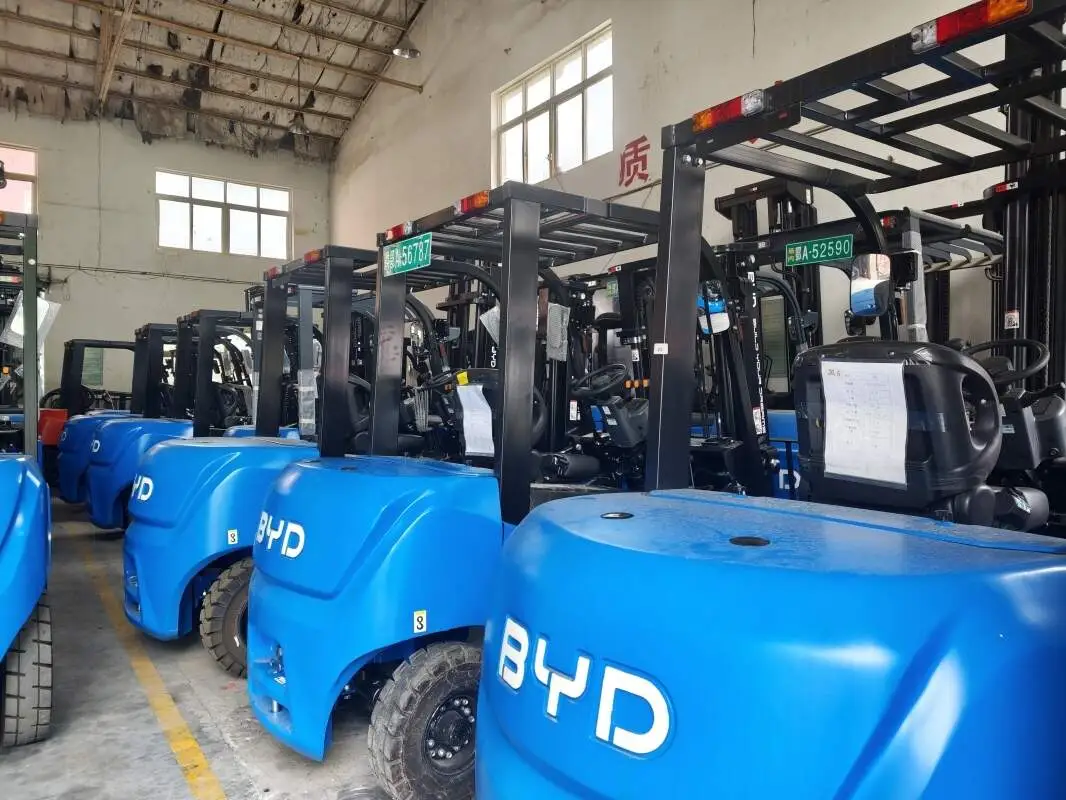
When operating industrial forklifts, sourcing high-quality replacement parts is critical to maintaining equipment reliability, minimizing downtime and ensuring workplace safety. This guidance outlines key steps to navigate the procurement process effectively.
Start by assessing your exact needs. Before searching for parts, identify the specific component requiring replacement by referencing the forklift’s manual, noting the model number, serial number and part specifications. Conduct a thorough inspection of the faulty part to understand its wear pattern, which can help you select parts that address the root cause of the issue rather than just replacing a component temporarily.
Next, evaluate supplier credibility. Look for suppliers with a proven track record in industrial forklift parts, ideally with years of experience serving similar industries. Verify their ability to provide consistent part availability, as delays in receiving critical components can disrupt operations. Additionally, check if they offer post-purchase support, such as technical assistance for installation or warranty coverage for defective parts.
Prioritize quality over low-cost options. While budget is a factor, choosing substandard parts can lead to frequent breakdowns, increased maintenance costs and potential safety hazards. Inspect the material quality of replacement parts—for example, hydraulic components should be made from durable corrosion-resistant materials to withstand heavy use. Ensure parts meet industry safety standards and have undergone rigorous testing to confirm their performance under operating conditions.
Balance cost and value to optimize your procurement budget. Consider negotiating bulk pricing for commonly replaced parts like filters or tires, which can reduce long-term costs. Explore long-term partnerships with reliable suppliers, as these relationships often lead to preferential pricing and priority access to hard-to-find components. However, avoid sacrificing quality to secure lower prices, as this can result in higher overall expenses due to premature part failure.
Finally, verify compatibility and documentation. Before finalizing a purchase, confirm that the replacement part is fully compatible with your forklift model to avoid fitment issues. Request detailed documentation, including product specifications, test reports and warranty information, to ensure transparency and accountability from the supplier. By following these steps, you can source replacement parts that enhance forklift performance, extend equipment lifespan and support smooth daily operations.